 Save to Pinterest
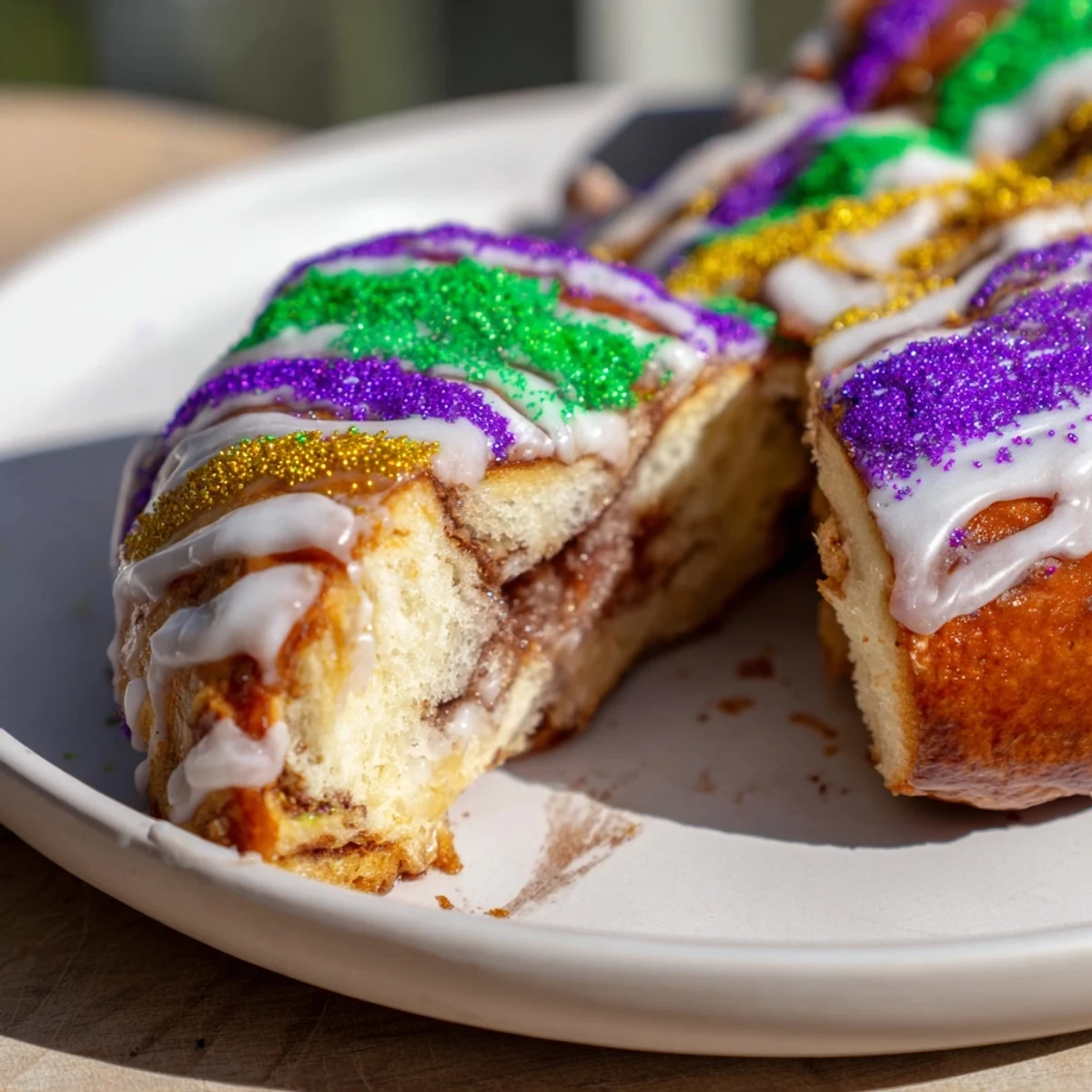
 This classic Mardi Gras King Cake features a soft, brioche-like dough filled with a fragrant cinnamon and brown sugar swirl. The dough is enriched with milk, butter, eggs, and warm spices for a tender texture. After rising, the dough is rolled with the cinnamon filling, shaped into a ring, baked until golden, then drizzled with smooth vanilla icing and decorated with vibrant purple, green, and gold sugars. Tradition adds to the fun by hiding a small item inside for a festive surprise. Ideal for sharing at celebrations.
The first time I attempted King Cake was during a particularly brutal February, when the kitchen felt like the only warm place in the house. My New Orleans neighbor had described this carnival tradition with such reverence that I felt compelled to recreate it, though my brioche skills were questionable at best. The house filled with cinnamon and nutmeg while the dough rose, snow falling outside the window like powdered sugar. That slightly lopsided ring taught me that tradition tastes better than perfection ever could.
Last year I made three of these cakes for a Mardi Gras potluck, each one hiding a dried bean instead of the traditional plastic baby. Watching grown adults cautiously slice through their servings, half hoping to find it and half terrified they would, reminded me why food traditions matter. The person who got the bean pinked exactly like they had won the lottery, even though it just meant they were buying next years ingredients. That moment of collective joy around a simple cinnamon-swirled bread is what keeps me returning to this recipe every Fat Tuesday.
Ingredients
- All-purpose flour: Bread flour would make this too chewy, while cake flour lacks the structure to hold that generous cinnamon filling
- Whole milk: The fat content here creates that signature brioche tenderness, though the dough will still work with whatever milk you have on hand
- Active dry yeast: I keep mine in the freezer and it stays fresh for years, but always give it that five minute wake-up call with warm water and sugar
- Unsalted butter: Softened butter incorporates more evenly into the dough than melted, creating those beautiful tender crumb holes
- Granulated sugar: This feeds the yeast and adds just enough sweetness to let the cinnamon filling shine without overwhelming
- Large eggs: Room temperature eggs emulsify better with the butter, creating a dough that rises beautifully and develops that golden crust
- Fine sea salt: Do not skip this, it balances the sweetness and actually makes the vanilla and nutmeg flavors pop
- Ground nutmeg: Freshly grated is transformative, but even the jarred version adds that subtle warmth that says this is special occasion baking
- Vanilla extract: Pure vanilla is non-negotiable here, the fake stuff tastes noticeably harsh in something this buttery and delicate
- Light brown sugar: The molasses in brown sugar creates a caramel-like quality in the filling that white sugar simply cannot replicate
- Ground cinnamon: Vietnamese cinnamon has a kick that stands up to all that butter, but any decent cinnamon will carry the show
- Powdered sugar: Sift it first or your icing will have lumps that look suspiciously like something went wrong
- Colored sanding sugar: The coarse crystals catch the light and give that professional bakery finish, plus they do not dissolve into the icing like regular sprinkles would
Instructions
- Wake up the yeast:
- Combine the warm water with just a pinch of sugar and the yeast in your smallest bowl, then walk away for five minutes. You want to see a creamy foam on top, like a latte, because dead yeast cannot raise this heavy buttery dough no matter how long you wait.
- Build the base:
- Whisk the milk, eggs, softened butter, sugar, salt, nutmeg, and vanilla until the mixture looks like glossy yellow paint, then pour in your foamy yeast mixture. The butter might look like tiny pearls floating around, and that is completely normal.
- Bring it together:
- Add the flour gradually, letting the dough hook do the work if you have a stand mixer, or use a wooden spoon and some serious determination if you are doing this by hand. The dough should feel soft and slightly tacky, like a babies skin, not dry or stiff.
- Let it rise:
- Knead until the dough passes the windowpane test, then place it in a bowl you have greased with butter and cover it with a warm damp towel. Find the warmest spot in your kitchen, which might be inside a turned-off oven with just the light on, and let it double in size.
- Roll and fill:
- Punch down the dough gently, turn it onto a floured surface, and roll it into a rectangle that is roughly the size of a small baking sheet. Brush the entire surface with melted butter like you are painting a canvas, then sprinkle that cinnamon sugar mixture all the way to the edges.
- Form the ring:
- Roll the dough into a tight log from the long side, pinch the seam closed like you are sealing an envelope, and transfer it carefully to a parchment-lined baking sheet. Shape it into a ring, pinching the ends together firmly, and tuck whatever token you are using inside from underneath so nobody sees it going in.
- Second rise and bake:
- Cover the ring and let it puff up for about 45 minutes while you heat the oven to 350°F, then bake until the top is the color of a brown paper bag and sounds hollow when you tap it. Let it cool completely or the icing will melt into sad streaks instead of staying pretty.
- Finish with flair:
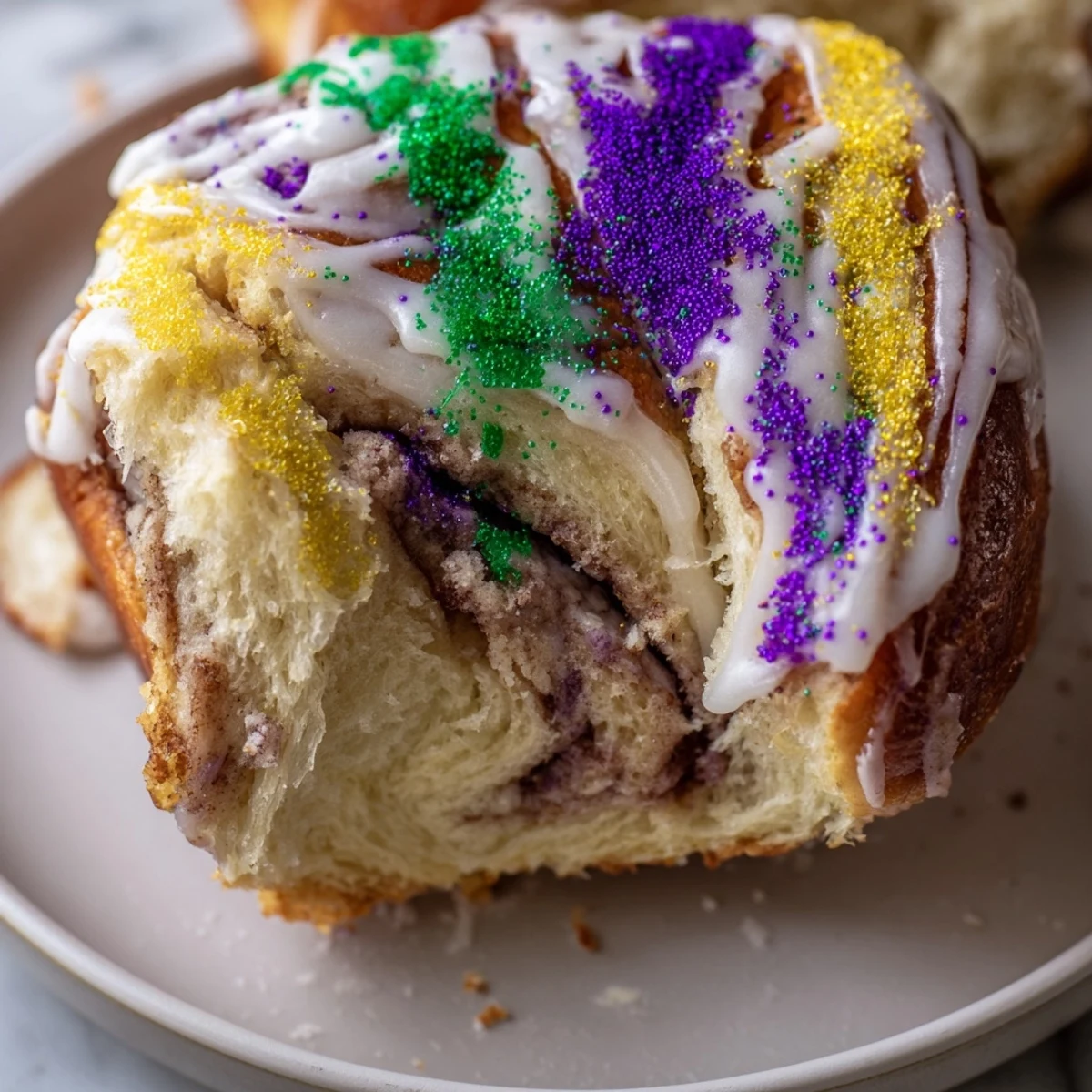
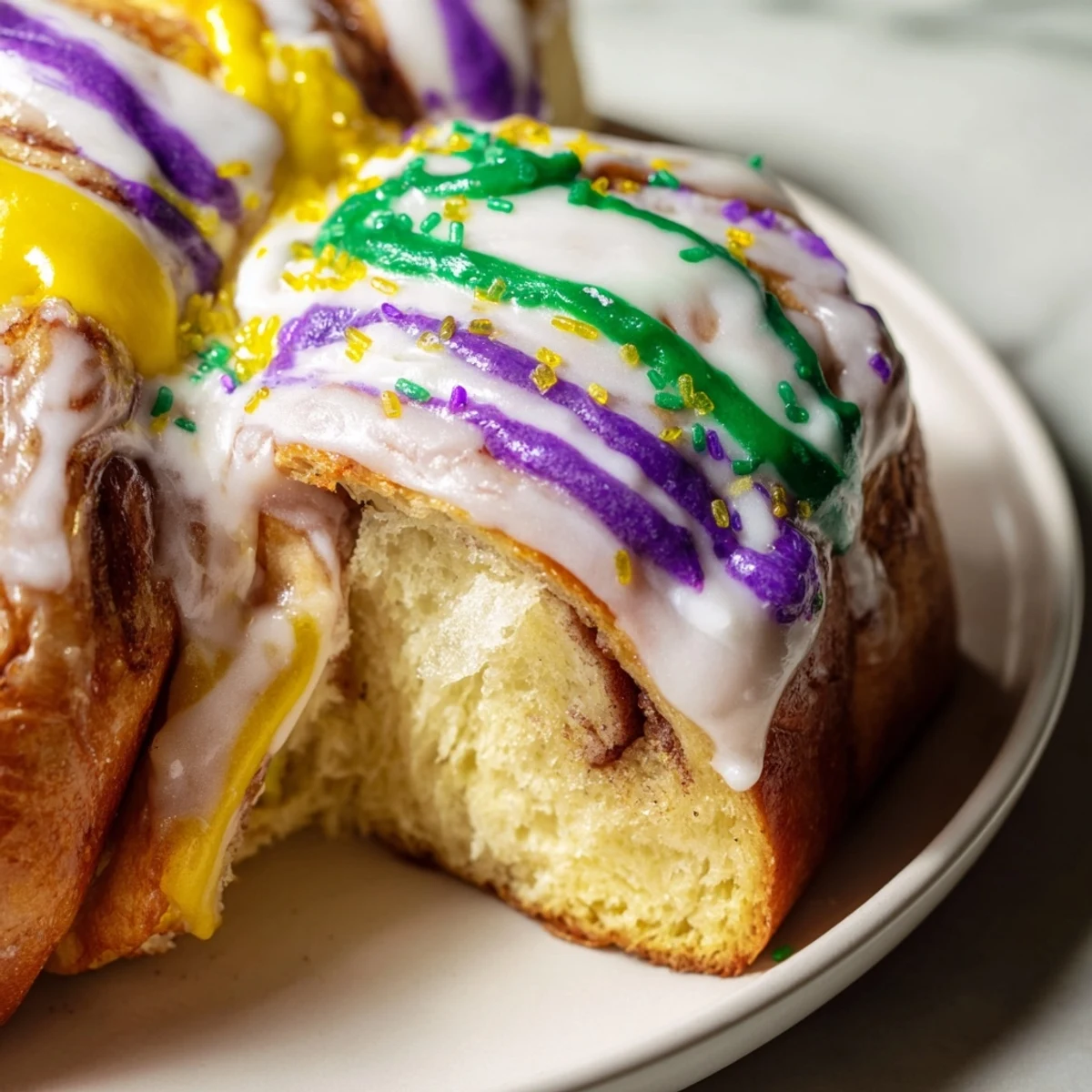
- Whisk the powdered sugar, milk, and vanilla until it runs off the whisk like thick cream, then drizzle it generously over the cooled cake. Sprinkle each colored sugar in sections, overlapping them slightly where they meet, until you have that purple, green, and gold masterpiece.
 Save to Pinterest
 My youngest once helped decorate a King Cake and took the color distribution very seriously, carefully pouring each sugar into perfect wedges with the focus of a scientist. She kept checking her work from different angles, adjusting individual grains with the tip of a spoon. That cake was not professionally perfect, but watching her face when we served it taught me that the joy is in the making, not just the eating.
Making It Your Own
The orange zest suggestion in the notes is not just a fancy addition, it actually cuts through all that butter and sugar with brightness that keeps you coming back for another slice. I have also experimented with adding cream cheese to the filling, which creates pockets of gooey delight that make people pause mid-bite and ask what you did differently. Some years I mix a little almond extract into the dough instead of vanilla, which gives it this sophisticated flavor profile that feels special without being unrecognizable.
Timing Is Everything
This recipe requires about three hours from start to finish, but only about forty minutes of active work, meaning you can easily start it in the morning and have it ready for an afternoon celebration. The first rise is the perfect time to clean your kitchen or catch up on emails, and the second rise happens while the oven preheats, so the timing works out naturally. I have learned that trying to rush the rising by putting the dough near a hot oven just makes it taste weirdly yeasty, so patience really is the secret ingredient here.
Serving And Storage
King Cake is traditionally served throughout the carnival season, which runs from Epiphany through Fat Tuesday, and it actually tastes better on the second or third day as the cinnamon flavor deepens and the crumb softens. Wrap any leftovers tightly in plastic wrap or store in an airtight container, but know that the colored sugars might bleed slightly into the icing over time, which some people actually prefer for that tie-dyed carnival aesthetic. If you are making this for a party, it is worth making two, because the first one will disappear faster than you expect.
- Leftovers can be gently warmed in the microwave for about fifteen seconds, which brings back that fresh-baked tenderness
- The dough can be made the night before and kept in the refrigerator for its first rise, which actually develops more flavor
- Freezing the fully baked and decorated cake works surprisingly well, though the colored sugars may lose some of their crunch
 Save to Pinterest
 Whether you are celebrating Carnival season or just need a reason to eat cinnamon bread for breakfast, this cake brings a little bit of New Orleans magic right into your kitchen. Laissez les bons temps rouler, indeed.
Recipe FAQs
- → What type of flour is best for King Cake?
-
All-purpose flour works well to create a tender yet sturdy dough suitable for rolling and shaping.
- → How do I achieve the cinnamon swirl filling?
-
Mix light brown sugar with ground cinnamon, then spread over melted butter brushed on the rolled-out dough for an even cinnamon layer.
- → Can I substitute dairy ingredients in this cake?
-
Yes, plant-based milk and butter replacements can be used to make a dairy-free version without compromising texture.
- → What is the purpose of the rising times?
-
Allowing the dough to rise twice ensures a soft, airy texture with good volume and a tender crumb.
- → How do I decorate the cake to capture the Mardi Gras theme?
-
After icing the cooled cake, sprinkle sections with colored sanding sugars in purple, green, and gold to celebrate Mardi Gras traditions.
- → Is it traditional to hide an item inside the cake?
-
Yes, a small plastic baby or bean is typically hidden inside the cake for good luck and celebration customs.