
 Save to Pinterest
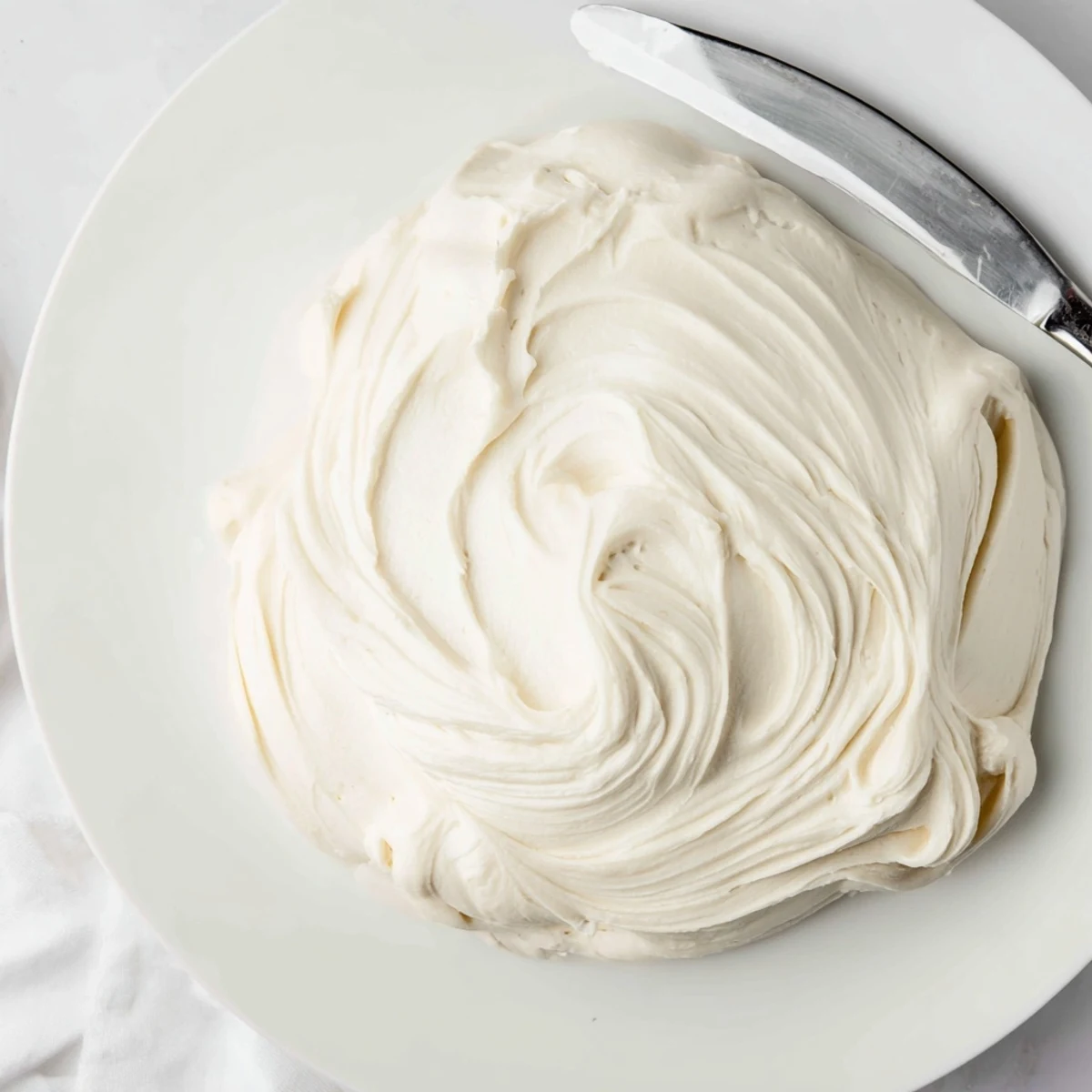
 This Italian meringue buttercream delivers a silky, luxurious frosting by slowly drizzling hot sugar syrup into whipped egg whites, then beating in room-temperature butter until impossibly smooth. It yields 6 cups—enough to generously frost a 3-layer cake.
The technique requires a candy thermometer and a stand mixer, but the result is far superior to simpler frostings: glossy, airy, and stable at room temperature. Flavor it with vanilla, chocolate, espresso, or fruit purees to complement any dessert.
The sound of sugar syrup hitting 240 degrees on a candy thermometer is something between a whisper and a threat, and I learned that on a humid Tuesday when my kitchen turned into a cloud of sweet steam and I wondered if I had lost my mind attempting Italian buttercream from scratch.
I made this for my sisters birthday cake, a wobbly three layer lemon sponge, and when she cut into it she said the frosting alone was worth the effort.
Ingredients
- Granulated sugar (200 g): The backbone of your syrup, use plain white sugar so the meringue stays pristine and glossy.
- Water (60 ml): Just enough to dissolve the sugar before it caramelizes, measure precisely.
- Egg whites, room temperature (4 large): Room temperature whites whip to greater volume, so pull them from the fridge an hour ahead.
- Cream of tartar (1/4 tsp, optional): Stabilizes the whites and helps them hold those lofty peaks without collapsing.
- Fine sea salt (1/8 tsp): A tiny pinch balances the sweetness and sharpens the vanilla.
- Unsalted butter, room temperature and cubed (340 g): The soul of the buttercream, use good quality butter because its flavor shines through every bite.
- Vanilla extract (1 tsp): Add at the end for a warm, fragrant finish that ties everything together.
Instructions
- Bloom the syrup:
- Combine sugar and water in a small saucepan over medium heat, swirling gently until the sugar dissolves completely, then clip on your candy thermometer and watch it climb to 115C (240F).
- Wake the whites:
- In a spotlessly clean stand mixer bowl, start whipping the egg whites, cream of tartar, and salt on medium speed until soft peaks curl gently off the whisk.
- Marry the two:
- With the mixer running on medium high, pour the hot syrup in a thin steady stream between the bowl and the whisk, avoiding the spinning wire so it does not clump.
- Whip to glossy glory:
- Crank the speed to high and whip for 7 to 10 minutes until the meringue is thick, shiny, and the outside of the bowl feels completely cool to your palm.
- Add the butter:
- Drop in butter cubes a few at a time on medium speed, and do not panic when it looks curdled and hopeless because it always does before it magically emulsifies into silk.
- Finish with vanilla:
- Pour in the vanilla extract and whip just long enough to blend it through, then stop before you overwork the butter.
- Frost or store:
- Spread it immediately over your cake or cupcakes, or refrigerate covered for up to five days and rewhip at room temperature when ready to use.
 Save to Pinterest
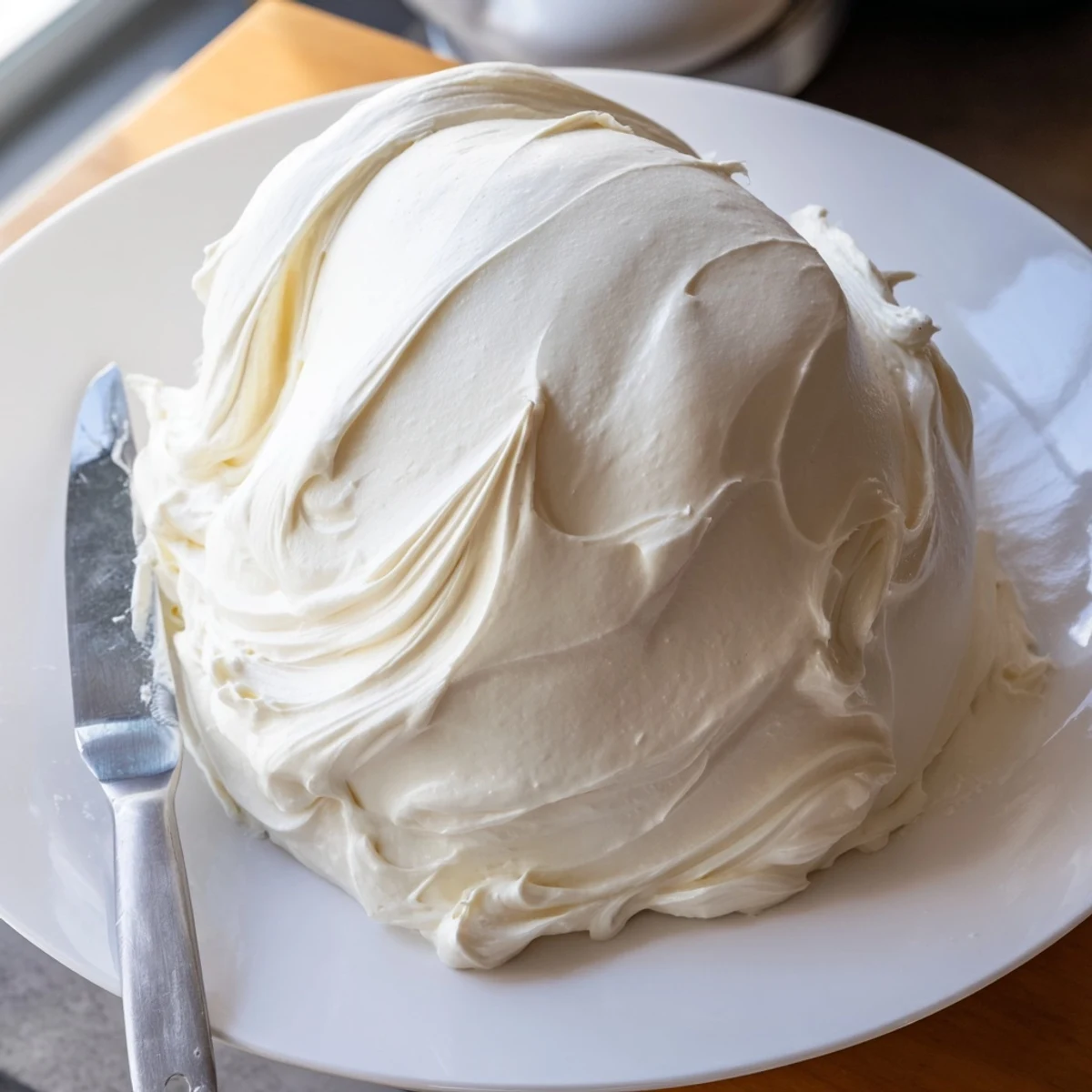
 There is a moment about eight minutes into whipping when the meringue suddenly catches the light and turns from matte foam to something that looks like edible pearl, and that tiny transformation is why I keep coming back to this recipe.
Flavor Variations Worth Trying
Once the base buttercream is smooth, you can fold in espresso powder for a mocha vibe, melted and cooled dark chocolate for richness, or a few tablespoons of raspberry puree for a tart pink finish.
Tools That Make a Difference
A stand mixer is not optional here because you need continuous whipping while your hands are busy pouring hot syrup, and a reliable candy thermometer saves you from the guesswork that leads to grainy or weepy results.
Serving and Pairing Suggestions
This buttercream was practically made for light sponge cakes, anything with citrus, or desserts topped with fresh strawberries and raspberries. Keep a few things in mind as you plan your cake.
- Let refrigerated buttercream sit at room temperature for at least two hours before rewhipping.
- A chilled cake frosted with cold buttercream will crack, so bring both to a similar temperature.
- Always do a thin crumb coat first and chill it before adding the final layer.
 Save to Pinterest
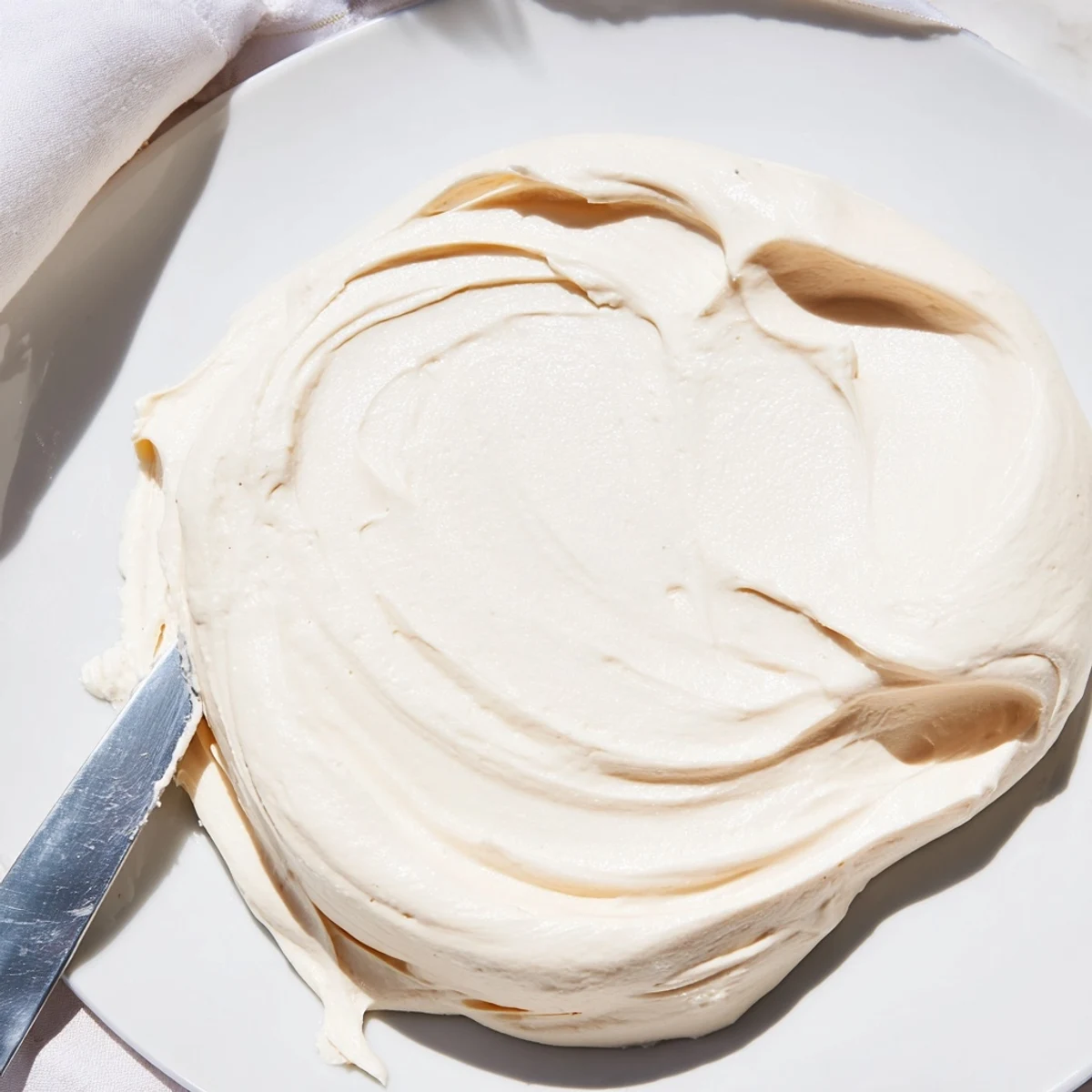
 Italian meringue buttercream is a labor of love that turns simple ingredients into something transcendent, and every time you make it the process feels a little less intimidating and a lot more like magic.
Recipe FAQs
- → Why does my buttercream look curdled or soupy?
-
This is completely normal. The mixture often looks broken after you add the butter. Simply keep whipping on medium-high speed and it will emulsify into a silky, smooth buttercream within a few minutes.
- → Can I make Italian meringue buttercream ahead of time?
-
Yes, you can store it covered in the refrigerator for up to 5 days. When ready to use, let it come to room temperature and re-whip until smooth and spreadable again.
- → What temperature should the butter be?
-
The butter must be at room temperature and soft enough to hold a thumb indent. Cold butter will cause the mixture to seize, while melted butter will make it too runny. Cut it into cubes before adding for even incorporation.
- → Why do I need a candy thermometer?
-
Heating the sugar syrup to exactly 115°C (240°F) is critical. Too low and the meringue won't set properly; too high and the sugar will caramelize. A candy thermometer ensures precision for a stable, glossy result.
- → How can I flavor this buttercream?
-
Add espresso powder, melted and cooled chocolate, fruit purees, or extracts after the buttercream is fully emulsified. Fold or whip gently until the flavor is evenly distributed without deflating the mixture.
- → My meringue won't form stiff peaks—what went wrong?
-
The most common cause is grease or residue in the mixing bowl or on the whisk. Ensure everything is spotlessly clean. Cream of tartar helps stabilize the egg whites, so don't skip it if you've had trouble before.