
 Save to Pinterest
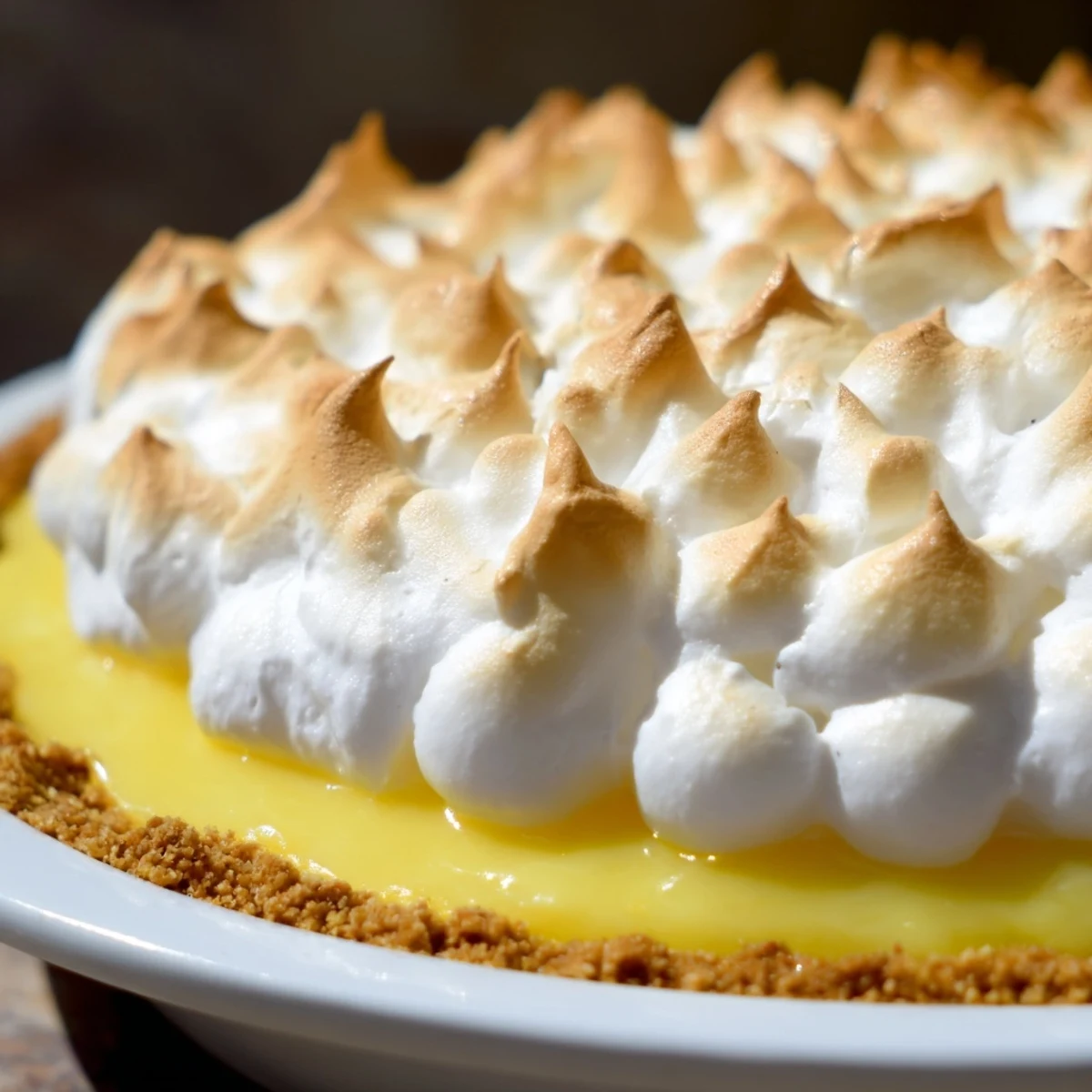
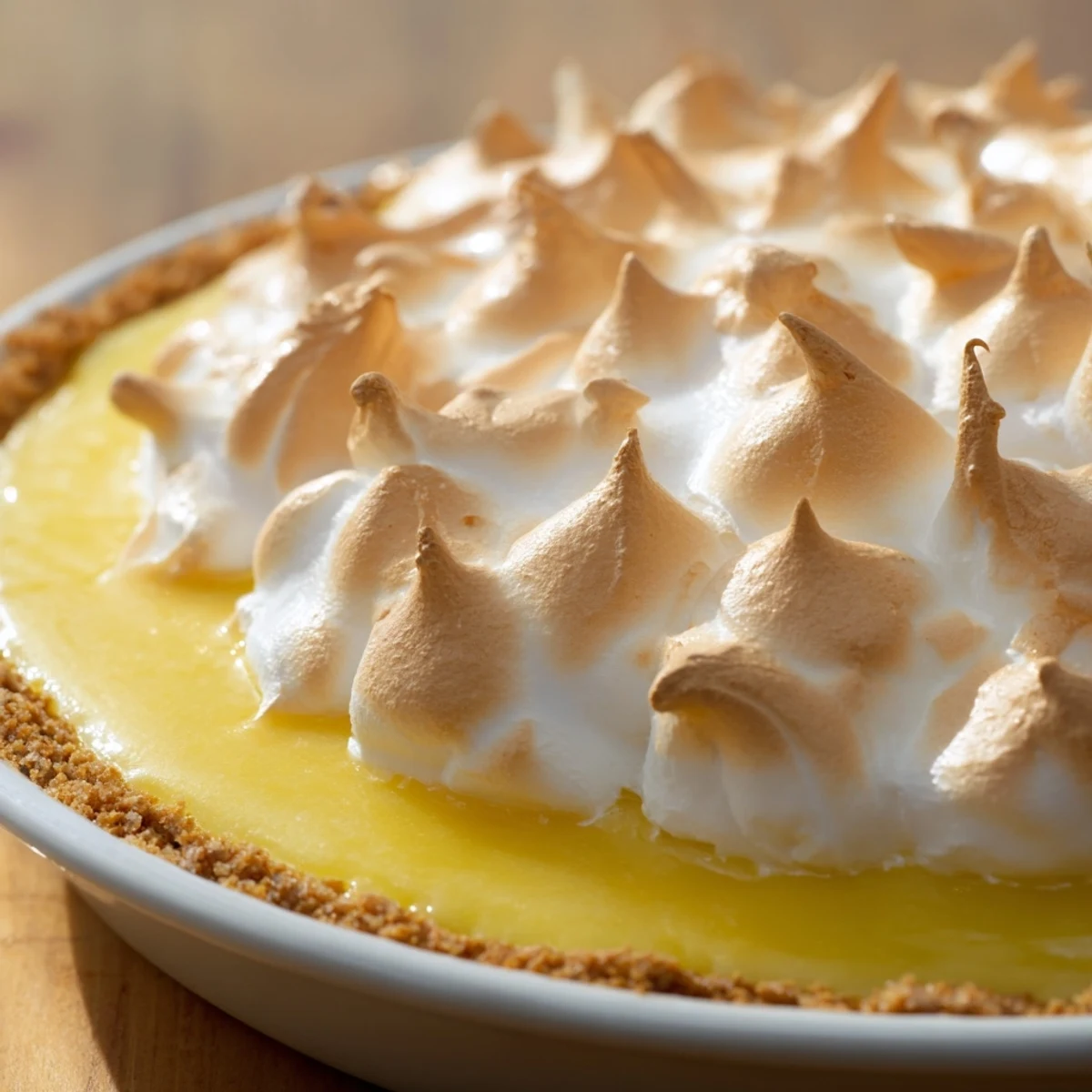
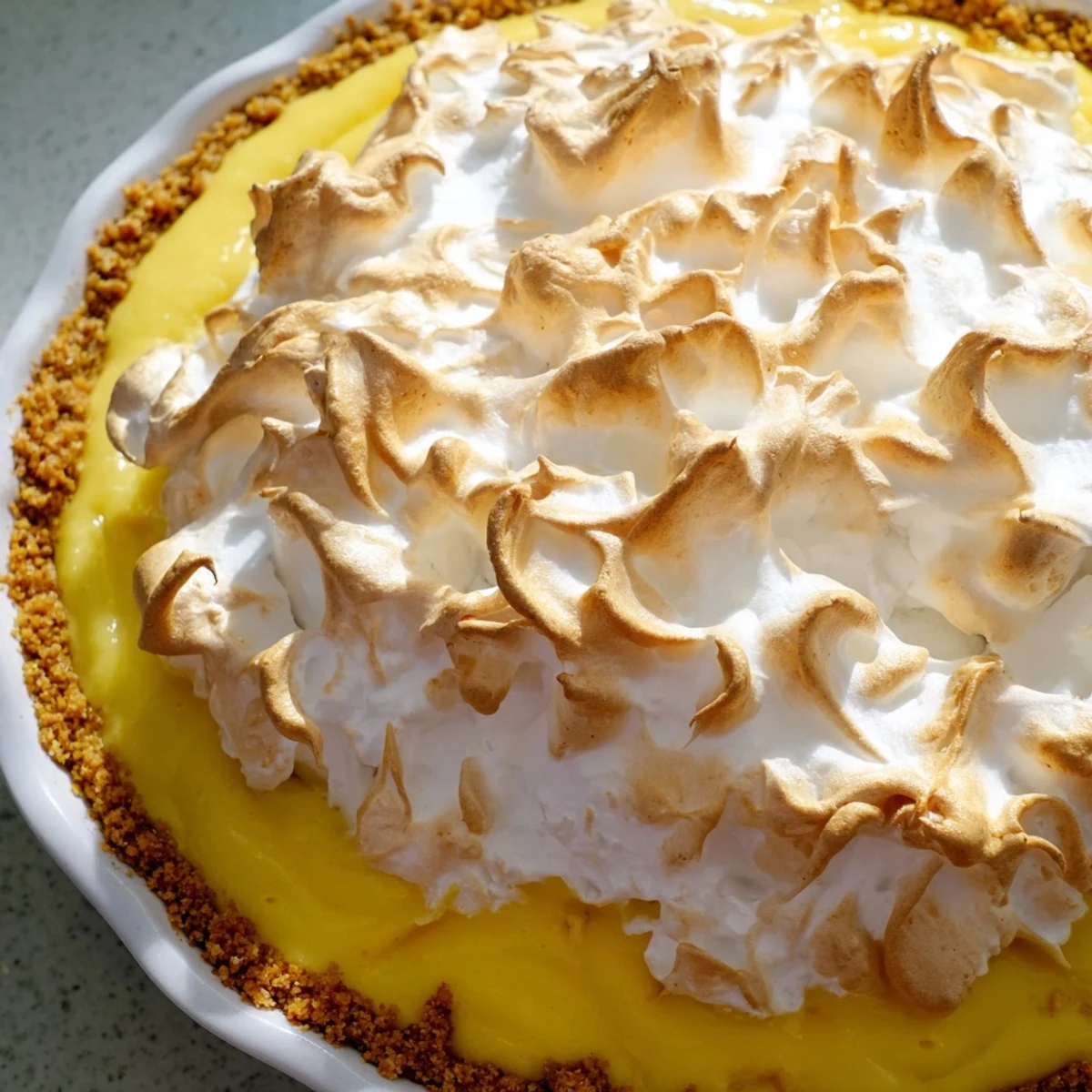
 This dessert features a crisp graham cracker crust filled with a tangy lemon custard, topped by a light, golden meringue. The crust is baked until firm, then filled with a smooth lemon mixture thickened with cornstarch and balanced with fresh lemon juice and zest. Once topped with softly whipped egg whites sweetened and flavored with vanilla, the creation is baked again to form the signature browned peaks. After sufficient chilling, the result is a refreshing yet indulgent treat combining zesty citrus, buttery base, and airy sweetness.
There's something about the bright yellow filling of a lemon meringue pie that instantly lifts my mood, especially on days when the kitchen needs a little sunshine. The first time I made this, I was intimidated by the meringue—I'd heard horror stories about weeping and shrinking—but once I understood the simple chemistry of it all, everything clicked. Now it's the pie I reach for when I want to impress without fussing endlessly. The combination of that buttery graham cracker crunch, silky tart filling, and pillowy golden meringue feels like a small celebration every time.
I made this for my neighbor when she mentioned craving something bright and cheerful during a gray stretch of winter, and watching her face when she took that first bite reminded me why homemade desserts matter. She asked for the recipe, and I realized it wasn't just the flavors—it was knowing someone had taken time to layer sugar, eggs, and lemons together just for her.
Ingredients
- Graham cracker crumbs: Use full-fat, buttery crackers and crush them yourself or pulse them briefly in a food processor—the texture will be so much better than store-bought crumbs, which often feel too fine and powdery.
- Unsalted butter: Melted butter helps the crumbs bind without becoming dense, and unsalted lets you control the salt level throughout the pie.
- Cornstarch: This thickens the filling to a silky consistency without making it gluey or heavy, unlike flour which can leave a starchy taste.
- Fresh lemon juice: Don't skip this—bottled juice tastes metallic and flat compared to juice squeezed right before cooking, and the difference is unmistakable.
- Lemon zest: Those tiny flecks of bright yellow are where the real lemon flavor hides, so finely grate it and don't hold back.
- Egg yolks: These create richness and help set the filling into that perfect custard texture; tempering them gently prevents scrambling.
- Egg whites: Room temperature egg whites whip to stiff peaks much faster and more reliably than cold ones, so pull them out of the fridge 15 minutes before beating.
- Cream of tartar: This stabilizes the meringue and helps it hold those glossy peaks, preventing collapse in the oven.
Instructions
- Make the crust:
- Combine graham cracker crumbs, sugar, melted butter, and salt in a bowl until the mixture resembles wet sand, then press it firmly into the bottom and sides of your pie dish using the bottom of a measuring cup to create an even, compact layer. Bake at 350°F for 8–10 minutes until lightly golden and set, then set aside to cool.
- Cook the filling:
- Whisk sugar, cornstarch, and salt together in a saucepan, gradually add water and fresh lemon juice with the zest, and cook over medium heat while stirring constantly until the mixture thickens and comes to a boil, then let it bubble for exactly 1 more minute. This gradual approach prevents lumps and ensures the cornstarch fully activates.
- Temper the yolks:
- Whisk egg yolks in a small bowl, then slowly drizzle in about half a cup of the hot lemon mixture while whisking constantly—this gradual warming prevents the yolks from scrambling. Pour this tempered mixture back into the saucepan and cook for 2 more minutes, stirring gently.
- Finish the filling:
- Remove the pan from heat, stir in butter until melted and glossy, then pour the warm filling into your cooled crust and let it sit while you prepare the meringue. This moment is when the pie looks its best—that vibrant yellow filling reflecting the light.
- Whip the meringue:
- Beat room-temperature egg whites with cream of tartar on medium speed until soft peaks form (they'll look like clouds when you lift the beaters), then gradually add sugar one tablespoon at a time while beating until stiff, glossy peaks form with a slight curl at the tip. Add vanilla extract and beat for just a few more seconds.
- Top and bake:
- Spread meringue over the hot lemon filling in generous swirls, making sure it touches the crust all the way around—this seal prevents shrinking. Bake at 350°F for 15–18 minutes until the peaks are golden brown and feel firm to a light touch.
- Cool completely:
- Let the pie cool to room temperature for about an hour (this is when the filling sets properly), then refrigerate for at least 2 hours before slicing, which makes for clean, beautiful slices instead of a runny mess.
 Save to Pinterest
 My aunt once told me that a good lemon meringue pie is like a well-told joke—the setup matters, the timing matters, and if you rush it, nobody laughs. That stuck with me, and now every time I make this pie, I'm reminded that the best cooking isn't about speed; it's about paying attention to the small moments that make the difference.
Why the Graham Cracker Crust Works
There's a reason this crust has stayed classic for generations—the buttery, slightly salty sweetness of graham crackers echoes the brightness of the lemon filling without competing with it. Pressing it into the pan might feel like you're working it too much, but a compact crust holds together beautifully and never becomes soggy. The brief pre-bake sets the structure so the filling doesn't seep through and create a weird texture on the bottom.
The Science of Meringue
Meringue seems like magic until you understand what's actually happening: egg whites are mostly water and protein, and when you beat them, you're creating millions of tiny air bubbles surrounded by protein walls. The cream of tartar stabilizes these walls, the sugar dissolves into the whites and makes them glossy, and the heat of the oven gently dries everything out into those gorgeous golden peaks. Spread it on hot filling, and it cooks from the top down, creating a tender interior with a light crispy exterior.
Making It Your Own
Once you've made this pie a few times, you'll find your own tweaks—maybe you'll add a tablespoon of honey to the filling for extra richness, or brush the cooled crust with melted dark chocolate before adding the lemon layer. The structure is solid enough to handle small variations, and that's what makes it so satisfying to return to again and again.
- If your lemons are small or not very juicy, zest two or three of them even if you only need juice from three, because the zest is where the real flavor lives.
- Have all your ingredients prepped and at room temperature before you start cooking, because the meringue window is short and you don't want to rush beating it.
- Serve slices with a hot cup of Earl Grey or cold with a crisp Riesling—the acidity in the tea or wine cuts through the sweetness in a way that feels like finishing a perfect sentence.
 Save to Pinterest
 This pie has a way of turning an ordinary dinner into something worth remembering, and that's really what cooking is all about. Make it for someone you love, or make it for yourself on a day when you need to taste something bright and alive.
Recipe FAQs
- → How do I ensure the crust stays crisp and doesn't get soggy?
-
Bake the graham cracker crust until set and lightly golden before adding the lemon filling. This helps seal the crust to keep it crisp.
- → What is the best way to get fluffy, stable meringue topping?
-
Use room temperature egg whites, add cream of tartar, and gradually add sugar while beating until stiff, glossy peaks form.
- → Can I make the lemon filling tangier?
-
Yes, increase the amount of grated lemon zest or freshly squeezed lemon juice for a stronger citrus flavor.
- → Why should the meringue touch the crust edges?
-
Sealing the meringue to the crust prevents it from shrinking and pulling away during baking.
- → How long should the pie chill before serving?
-
After baking, cool at room temperature for about 1 hour, then refrigerate for at least 2 hours to allow flavors to set and clean slices.