
 Save to Pinterest
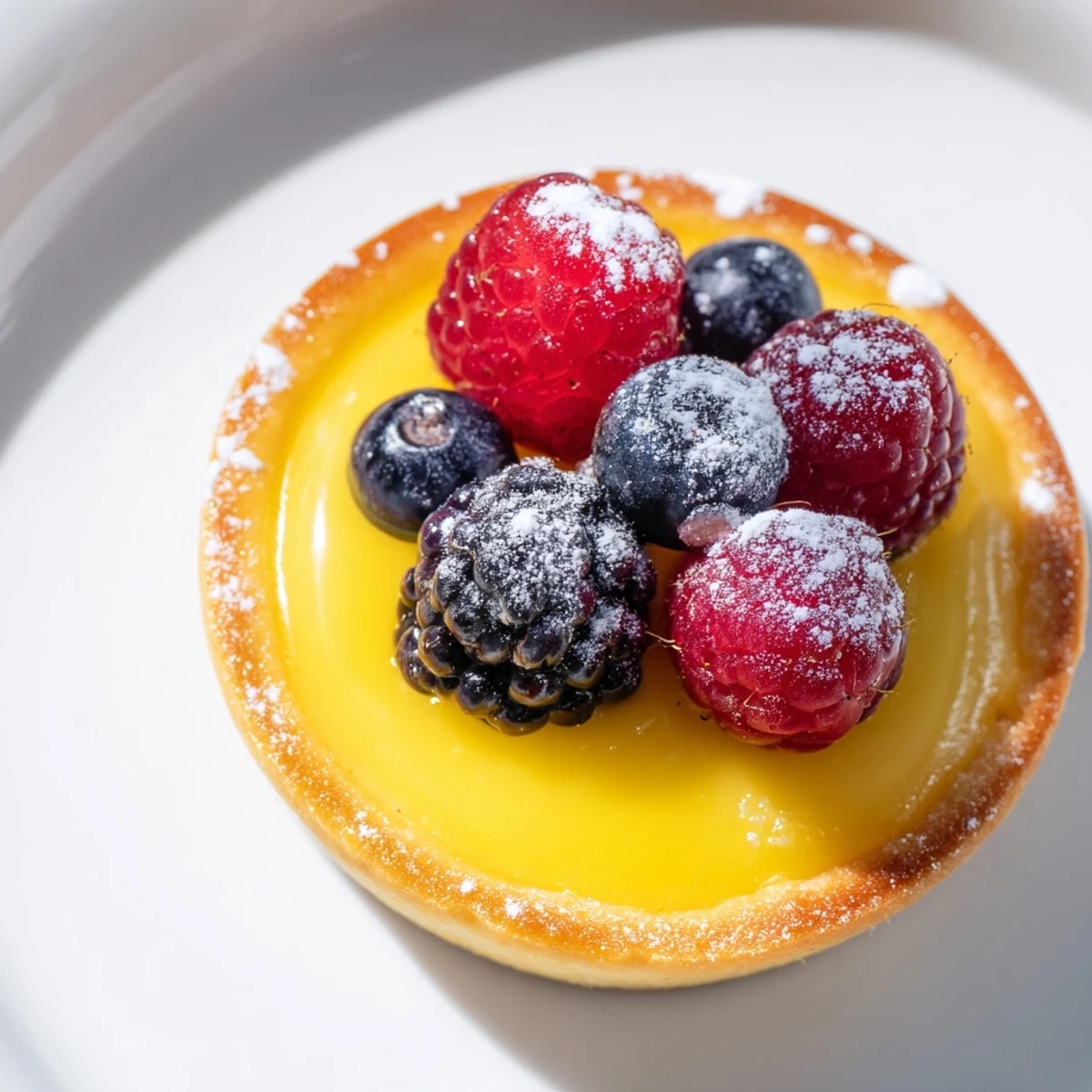
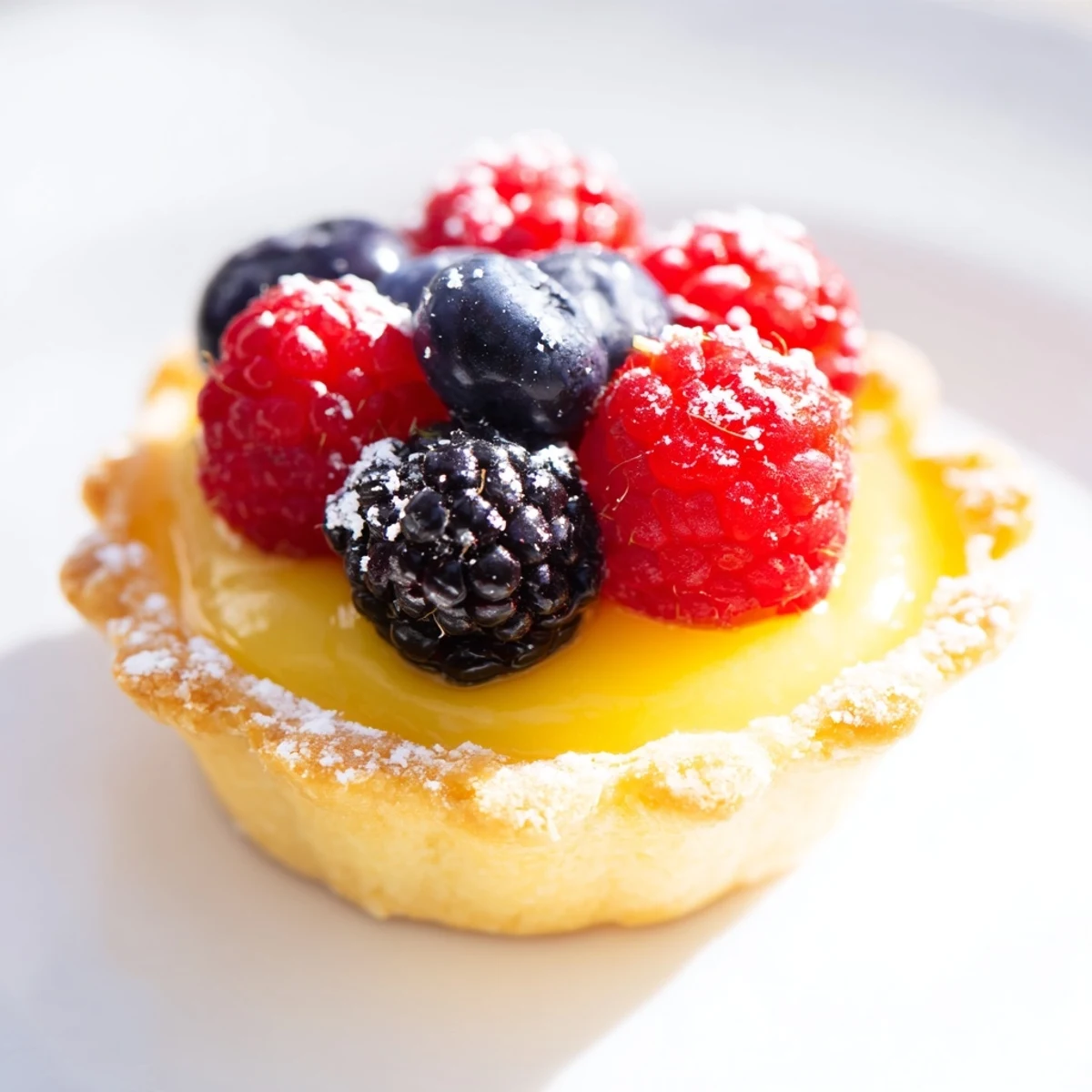
 Create stunning lemon curd tartlets with crispy butter shells and vibrant berry toppings. The tangy, silky lemon curd is prepared using a double boiler method, ensuring a smooth custard-like consistency. Tartlet shells are blind-baked until golden, then filled with chilled curd and fresh berries just before serving. This French-inspired dessert balances bright citrus flavors with sweet, juicy fruit, perfect for special occasions or entertaining guests.
I still remember the summer afternoon when my grandmother taught me to make lemon curd tartlets in her sun-drenched kitchen. The windows were flung open, letting in the breeze as we zested lemons, the bright citrus scent filling the air. Her hands moved with practiced precision as she showed me how to press the buttery dough into the fluted pans. Those tartlets, topped with berries from her garden, became the taste of summer for me.
Last spring, I brought these tartlets to my friends housewarming party and watched as conversation momentarily paused when people took their first bites. The hostess cornered me by the punch bowl, insisting I reveal my secret while simultaneously reaching for her second tartlet. Something about that bright lemony tang paired with sweet berries seems to create instant happiness at any gathering.
Ingredients
- Cold butter: The secret to flaky pastry is keeping your butter properly chilled until the moment it hits the oven, I learned this after years of disappointingly dense crusts.
- Fresh lemon juice and zest: Please resist the temptation to use bottled juice, as the brightness of fresh lemons makes all the difference in the world to the final flavor.
- Fresh berries: I like using a mix of raspberries, blueberries and sliced strawberries for a beautiful color contrast, but feel free to use whatever looks most vibrant at your market.
Instructions
- Create perfect tartlet shells:
- Pulse your flour, sugar and salt before adding those cold butter cubes until the mixture resembles coarse sand. When you add the egg yolk and ice water, stop processing the moment the dough comes together to avoid developing too much gluten.
- Master the lemon curd:
- Patience is everything when cooking your curd over the double boiler. Keep whisking constantly as the mixture gradually thickens, and youll know its ready when it coats the back of a spoon and holds a line when you run your finger through it.
- Assemble with care:
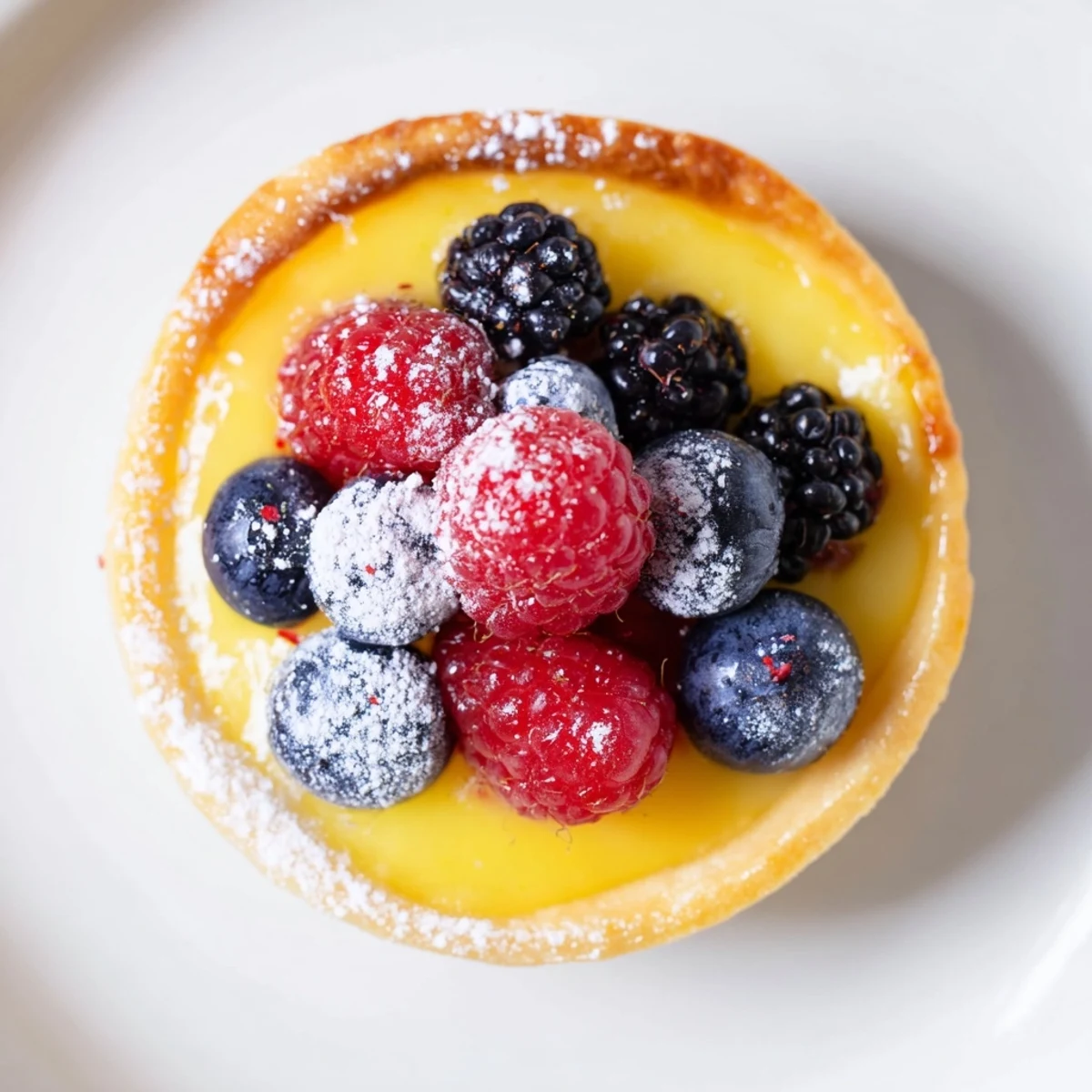
- Let your lemon curd chill completely before filling the shells to prevent soggy bottoms. Arrange your berries with a thoughtful eye, perhaps placing raspberries in the center surrounded by smaller blueberries for a simple but artistic presentation.
 Save to Pinterest
 Once during a particularly stressful week, I made these tartlets just for myself, arranging them on my grandmother's china plate and sitting by the window with a cup of tea. There was something deeply comforting about the ritual of making them, the careful attention each step required pulling me out of my anxious thoughts. Sometimes the most nurturing thing we can do is create something beautiful just because it brings us joy.
Make-Ahead Options
The beauty of these tartlets lies in their components, which can be prepared separately ahead of time. Ive found that tart shells keep beautifully for up to three days in an airtight container, while the lemon curd actually improves with a day of chilling, allowing the flavors to meld and intensify. Just assemble within an hour of serving for the freshest experience with those beautiful berries maintaining their vibrant appearance.
Seasonal Variations
While I adore the classic berry topping throughout summer, these tartlets transform beautifully with the seasons. In autumn, try thin slices of poached pear with a sprinkle of cinnamon. Winter calls for blood orange segments and a touch of rosemary-infused honey. Spring welcomes edible flowers pressed gently into the curd for the most enchanting presentation that always draws gasps from dinner guests.
Troubleshooting Tips
After making these tartlets dozens of times, Ive encountered every possible mishap and found solutions for them all. The most common issue is curd that refuses to thicken properly, usually because the heat is too low or youre not whisking constantly enough to distribute the heat evenly.
- If your dough feels too sticky when rolling, chill it for another 15 minutes before trying again.
- For tartlet shells that shrink during baking, freeze them for 10 minutes before putting them in the oven.
- If your lemon curd develops small lumps, simply strain it twice through a fine-mesh sieve for perfectly smooth results.
 Save to Pinterest
 These little tartlets remind us that sometimes the most exquisite pleasures come in the smallest packages. Each one represents a perfect moment of balance between sweet and tart, creamy and crisp, familiar and special.
Recipe FAQs
- → Can I prepare the tartlet shells ahead of time?
-
Yes, tartlet shells can be baked up to 2 days in advance. Store them in an airtight container at room temperature. Fill them with lemon curd just before serving to keep the shells crisp.
- → How long does lemon curd last?
-
Homemade lemon curd keeps refrigerated for up to 3 days in an airtight container. The surface should be covered with plastic wrap to prevent a skin from forming. It can also be frozen for up to 2 months.
- → What's the purpose of blind baking the tartlet shells?
-
Blind baking prevents the tartlet shells from becoming soggy and ensures they stay crispy. The parchment and baking weights or dried beans prevent the dough from puffing up and help maintain an even, golden texture.
- → Can I use bottled lemon juice instead of fresh?
-
Fresh-squeezed lemon juice is recommended for the best flavor and texture in lemon curd. Bottled juice may alter the taste and consistency slightly, but it can be used as a backup in a pinch.
- → What berries work best for topping?
-
Raspberries, blueberries, strawberries, and blackberries all pair beautifully with lemon curd. Choose ripe, fresh berries for optimal flavor. You can also experiment with seasonal fruits like currants, gooseberries, or small diced stone fruits.
- → How do I prevent the lemon curd from curdling?
-
Maintain a gentle simmer in the double boiler and whisk constantly. Avoid high heat, which can cause the eggs to scramble. Straining the finished curd through a fine-mesh sieve removes any small cooked egg particles for a silky texture.