 Save to Pinterest
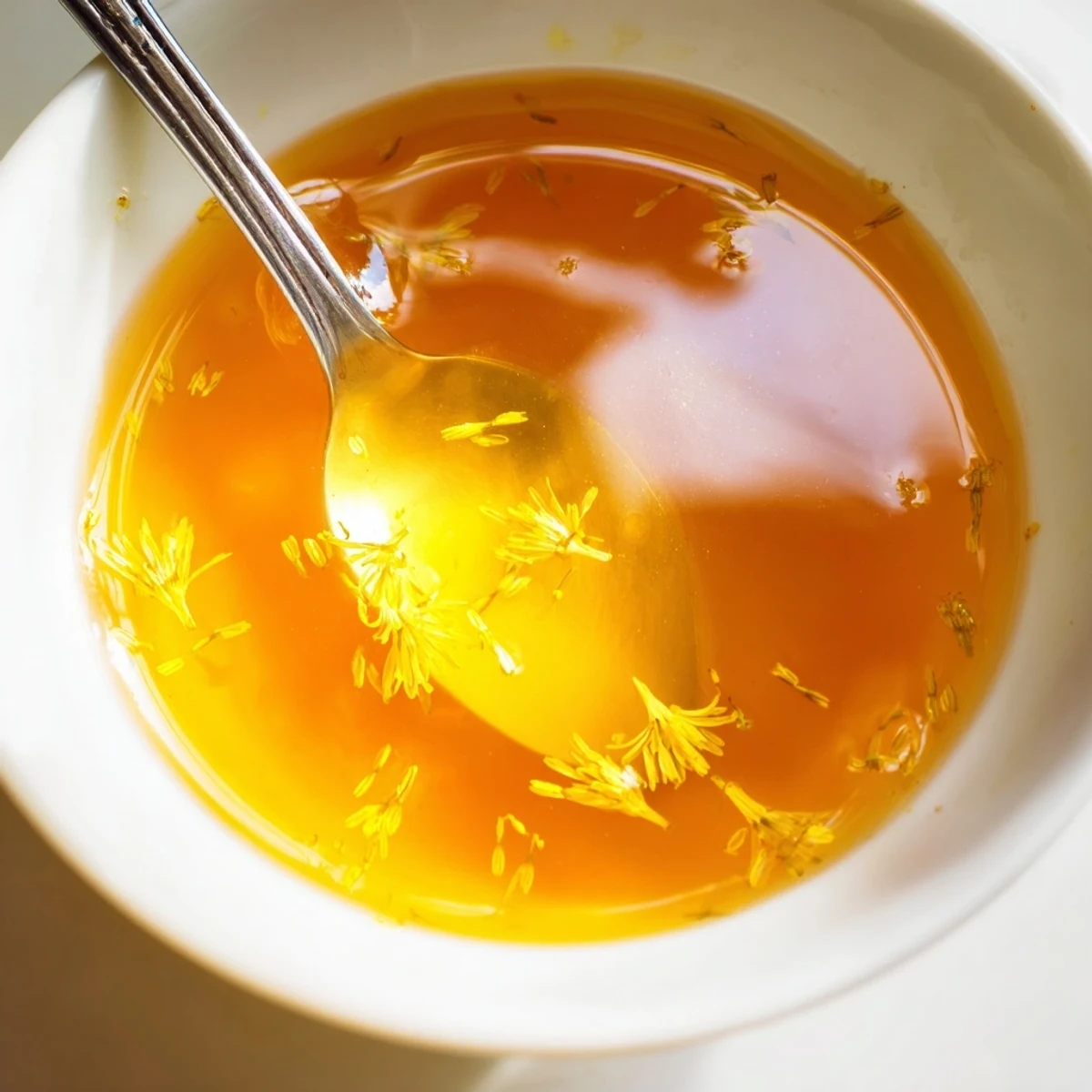
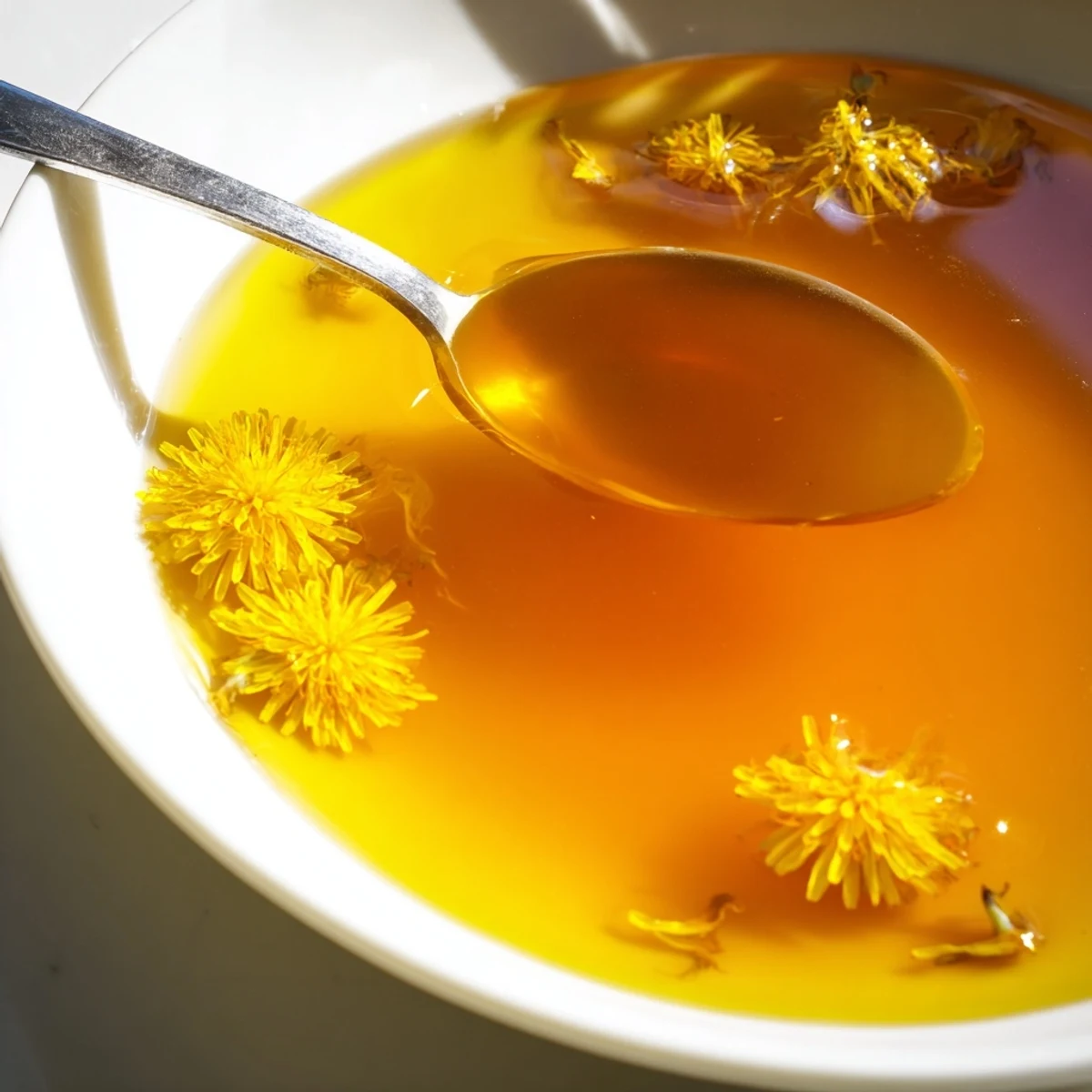
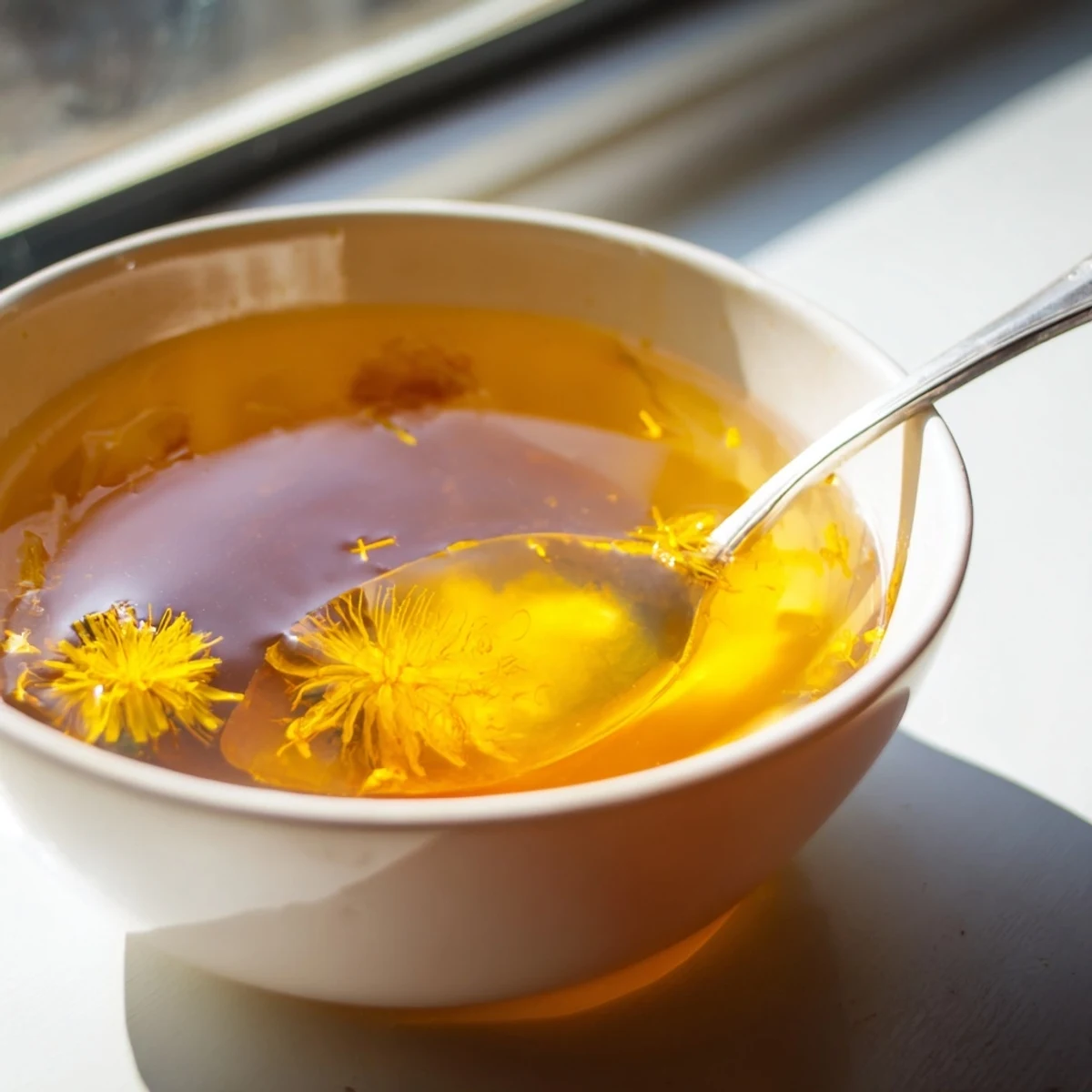
 This dandelion jelly transforms simple yellow blooms into a radiant, floral spread that captures the essence of spring. The process starts by simmering dandelion petals in water, then steeping to draw out their delicate flavor. After straining, the infused liquid is combined with lemon juice and fruit pectin, brought to a rolling boil, and sweetened with sugar to create a beautifully set jelly. The entire process takes about one hour and yields roughly four half-pint jars, making it a rewarding weekend project.
The result is a versatile preserve that pairs wonderfully with soft cheeses, scones, and cakes, or simply spread on morning toast. You can deepen the golden hue by adding calendula or marigold petals, and adjust the sugar level to suit your preference for sweetness and firmness. It's a vegetarian, gluten-free, and vegan-friendly way to bring a taste of the season to your table.
My neighbor Margie used to say that anyone who tears up a yard full of dandelions has never tasted what those little yellow heads can actually do. She handed me a jar of this jelly one April morning, and I stood there on the porch practically drinking it with a spoon.
I brought a batch to a brunch last May and watched three people argue over who got to take the last jar home. One friend called it honey's cooler cousin, and honestly, I have never heard a better description.
Ingredients
- Fresh dandelion flowers (4 cups, yellow heads only): Picking from unsprayed yards is nonnegotiable since anything treated with chemicals should never go near your food. Pluck the petals away from the green base because that bitterness will ruin the whole batch if it sneaks in.
- Water (4 cups): This becomes your infusion base, so filtered water gives the cleanest result. Tap works fine but you might notice a slight difference in clarity.
- Lemon juice (2 tablespoons, freshly squeezed): The acid does double duty by balancing the floral sweetness and helping the pectin set properly. Bottled juice works in a pinch but fresh gives a brighter finish.
- Granulated sugar (1.5 to 2 cups): Sugar is part of the chemistry that makes jelly gel, so dropping below 1.5 cups means a softer set. Taste the infusion first to decide how sweet you want the final product.
- Fruit pectin (1 package, 1.75 oz): This is what transforms flavored water into actual jelly. Follow the package type because low sugar pectin behaves differently than regular.
Instructions
- Prep the petals:
- Rinse the flowers gently and pull off every bit of green from the base. It takes patience but those green parts carry a bitter edge that no amount of sugar can hide.
- Brew the infusion:
- Drop the petals into a saucepan with the water, bring it to a boil, then drop the heat and let it simmer for about 10 minutes. Your whole kitchen will smell like a sunny meadow.
- Steep and strain:
- Pull the pan off the heat and walk away for 30 minutes so the petals can release everything they have. Pour through a fine mesh sieve or cheesecloth and press firmly to get every last drop of that golden liquid.
- Measure and add pectin:
- Pour exactly 3 cups of the strained liquid back into a clean pot. Stir in the lemon juice and pectin, then bring it to a full rolling boil that does not stop when you stir.
- Add sugar and boil:
- Dump all the sugar in at once and return to a hard boil for 1 to 2 minutes, stirring the entire time. This short window is where the magic happens so do not walk away.
- Jar it up:
- Skim off the foam, ladle the hot jelly into sterilized jars with a quarter inch of headspace, and seal. Process in a boiling water bath for 10 minutes or just pop them in the fridge if you plan to eat them quickly.
 Save to Pinterest
 Margie passed that recipe to me on a scrap of notebook paper with butter stains on the corner, and I keep it tucked inside my canning book now. Every spring when the yard turns yellow, I think of her standing at her kitchen sink with petals stuck to her fingers.
Picking The Right Flowers
Go out in the midmorning after the dew has dried but before the afternoon heat makes the flowers close up. Bigger, fully open heads give you more petals per pick, and you will need roughly two heaping quarts of whole flowers to get four cups of just the yellow parts. Avoid any spots near roadsides or anywhere you are not sure about chemical exposure.
Getting The Color Right
Dandelion jelly on its own comes out a soft pale gold, which is lovely but sometimes people expect something more vivid. Tossing in a few calendula or marigold petals during the steeping phase deepens the color to a warm amber without changing the flavor much. Do not use food coloring because it completely betrays the whole point of making something from what you foraged.
Serving Ideas Beyond Toast
Spread it on a warm scone with a little clotted cream and you will wonder why you ever bothered with marmalade. It also works beautifully as a filling between cake layers or dolloped next to a soft cheese like brie on a charcuterie board.
- A spoonful swirled into plain yogurt makes an easy spring breakfast feel fancy
- Try it as a glaze for roasted carrots or chicken in the last few minutes of cooking
- Keep one jar unprocessed in the fridge to gift within a couple weeks
 Save to Pinterest
 There is something deeply satisfying about turning something most people pull out of the ground and toss away into something you actually want to eat. It makes you look at a lawn a little differently.
Recipe FAQs
- → What does dandelion jelly taste like?
-
Dandelion jelly has a delicate, mildly floral sweetness with subtle honey-like notes. The lemon juice adds a gentle brightness that balances the floral flavor without overpowering it.
- → Do I need to remove the green parts of the dandelion heads?
-
Yes, keeping only the yellow petals is important. The green sepals and bracts can introduce bitterness that will carry through into the finished jelly and detract from its delicate flavor.
- → Can I reduce the amount of sugar in this jelly?
-
You can reduce sugar to around 1.5 cups, though keep in mind that sugar helps with setting. Less sugar will produce a softer, looser jelly rather than a firm set.
- → How should I store this jelly?
-
Process sealed jars in a boiling water bath for 10 minutes for shelf-stable storage in a cool, dark place. Alternatively, skip the water bath and store jars in the refrigerator for immediate use within a few weeks.
- → What foods pair well with dandelion jelly?
-
It pairs beautifully with soft cheeses like brie or goat cheese, warm scones, buttered toast, and yogurt. It also works as a cake filling or drizzled over pancakes and waffles.
- → Can I use dried dandelion flowers instead of fresh?
-
Fresh flowers are strongly recommended because they provide the best color and flavor. Dried petals will work in a pinch but may yield a paler jelly with a less vibrant floral character.