
 Save to Pinterest
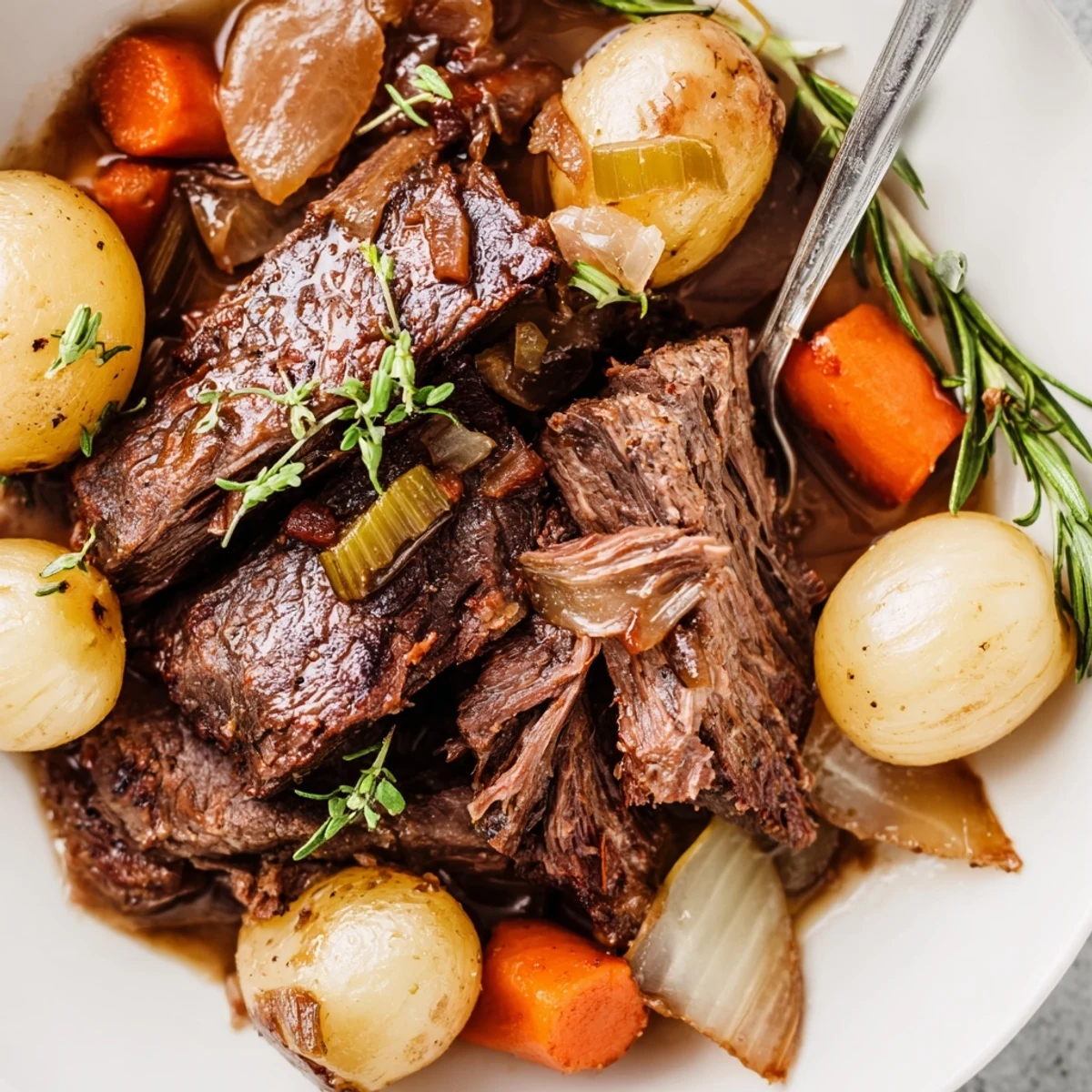
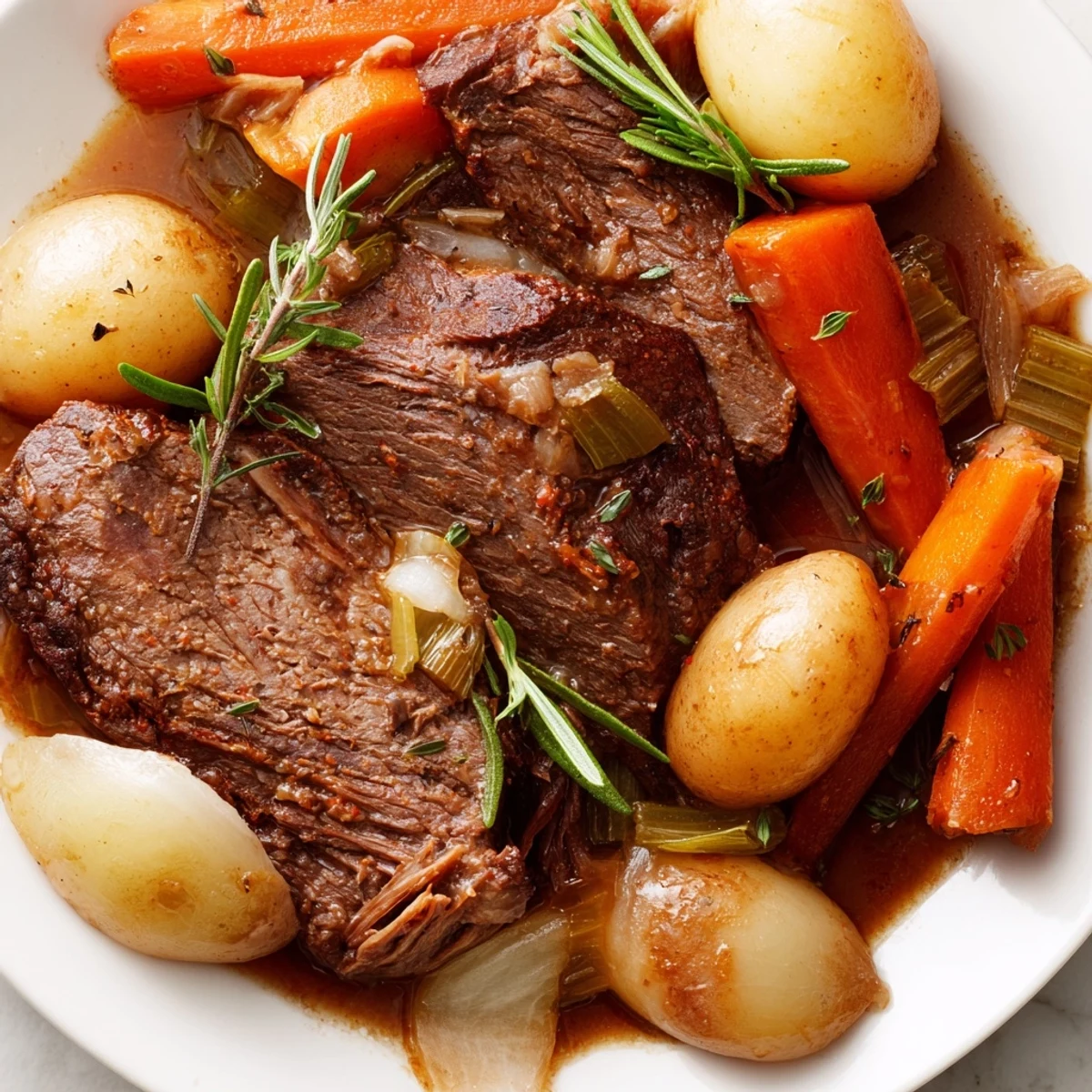
 This hearty beef chuck roast transforms in the slow cooker, becoming fork-tender after eight hours of gentle cooking with root vegetables. The carrots, baby potatoes, and onions absorb rich beefy flavors while the meat develops that classic fall-apart texture families love.
Simple seasonings of salt, pepper, and fresh herbs create deep, savory comfort. Just sear the roast, arrange your vegetables, pour in broth, and let time work its magic.
The smell of rosemary and beef filling the house on a gray Sunday morning is something I look forward to all week. My grandmother believed pot roast was the ultimate act of love, something you could not rush. She would say that good things take time, and after watching people try to speed it up with pressure cookers, I finally understand what she meant. There is something magical about checking on the roast after hours and seeing how everything has transformed into something tender and rich.
I made this for a dinner party during a terrible winter storm when everyone was stranded at our house. The roast had been cooking all day, filling every corner with warmth. By the time we sat down to eat, nobody mentioned the weather or being stuck inside. There is something about a properly cooked pot roast that makes people feel safe and fed in the oldest, best way possible.
Ingredients
- 3 lbs beef chuck roast: Chuck roast has the perfect amount of marbling for slow cooking, becoming meltingly tender while staying juicy
- 1 tbsp kosher salt and 1 tsp black pepper: Generous seasoning before searing builds layers of flavor throughout the meat
- 2 tbsp olive oil: You need enough oil to get a proper crust without burning the meat
- 4 large carrots: Cut into chunks so they do not disappear during hours of cooking
- 1.5 lbs baby potatoes: Baby potatoes hold their shape better than large ones and cook more evenly
- 1 large yellow onion: Onion wedges become sweet and silky, adding depth to the braising liquid
- 3 cloves garlic: Minced fresh garlic mellows beautifully over long cooking time
- 2 celery stalks: Celery adds a subtle aromatic base that you notice more in its absence than its presence
- 2 cups beef broth: Use a good quality broth you would drink on its own because it reduces and concentrates
- 1 tbsp Worcestershire sauce: This secret ingredient adds umami and that restaurant quality depth
- Fresh rosemary, thyme, and bay leaves: Fresh herbs make a noticeable difference, though dried work in a pinch
Instructions
- Sear the roast:
- Pat the beef completely dry with paper towels, then season generously on all sides with salt and pepper. Heat olive oil in a large skillet over medium high heat until it shimmers, then sear the roast for 3 to 4 minutes per side until a deep brown crust forms.
- Layer the vegetables:
- Place carrots, potatoes, onion, garlic, and celery in an even layer at the bottom of your slow cooker. This creates a natural roasting rack and keeps the meat elevated.
- Build the flavor base:
- Set the seared roast directly on top of the vegetable bed. Pour the beef broth and Worcestershire sauce over everything, tucking the rosemary, thyme, and bay leaves around the meat.
- Let it cook:
- Cover and cook on low for 8 hours. Resist the urge to lift the lid too often, as every peek adds about 15 minutes to the cooking time.
- Finish and serve:
- Remove and discard the herb sprigs and bay leaves. Shred the beef with two forks or slice it against the grain, serving with the vegetables and plenty of those pan juices spooned over everything.
 Save to Pinterest
 This recipe has become my answer to every request for comfort food. A friend recently told me it reminded her of Sunday dinners at her grandmother house, which is exactly the highest compliment I could hope for. Some recipes feed you, but this one feels like it is taking care of you.
Making It Ahead
I actually prefer making pot roast a day ahead. The flavors have time to marry and develop in ways that feel impossible to achieve immediately. The fat also rises and solidifies, making it easy to skim off before reheating for a lighter result.
Serving Ideas
Crusty bread is non negotiable for sopping up those juices. I also love serving a crisp green salad with a bright vinaigrette alongside, the freshness cuts through all that rich goodness in the best way.
Freezing And Storing
This freezes exceptionally well for up to three months. I portion it into freezer bags with the juices flattened thin, so they thaw quickly in warm water when I need a homemade meal without any effort. The vegetables do get softer after freezing, but the flavor remains just as good.
- Label your containers with the date before freezing
- Thaw overnight in the refrigerator for the best texture
- Add a splash of fresh broth when reheating if it looks dry
 Save to Pinterest
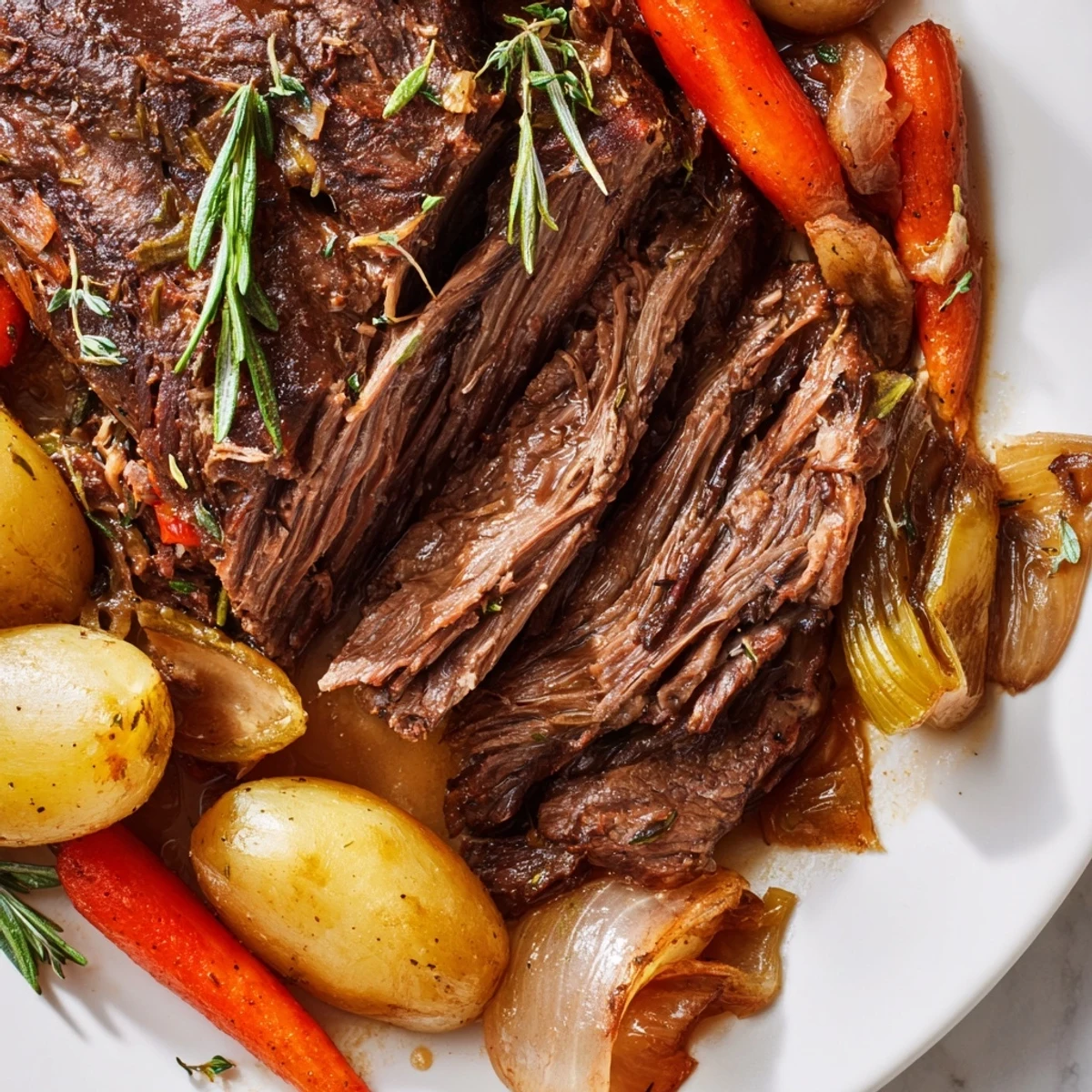
 There is nothing quite like walking into a house filled with the smell of pot roast. It is not dinner, it is an event.
Recipe FAQs
- → What cut of beef works best for slow cooking?
-
Chuck roast is ideal for slow cooking because its connective tissue breaks down during long cooking, creating tender, flavorful meat. Look for well-marbled pieces with good fat content.
- → Can I cook this on high instead of low?
-
Yes, you can cook on high for 4-5 hours instead of low for 8 hours. The beef will still become tender, though low-and-slow cooking typically yields more succulent results.
- → Do I need to sear the beef first?
-
Searing creates a flavorful crust through the Maillard reaction, adding depth to the final dish. While not strictly necessary, it's worth the extra few minutes for significantly better flavor.
- → What vegetables pair well with pot roast?
-
Classic choices include carrots, potatoes, onions, celery, parsnips, and turnips. These root vegetables hold their shape during long cooking and absorb savory juices beautifully.
- → How do I know when the roast is done?
-
The beef is ready when it flakes easily with a fork and pulls apart with minimal resistance. This typically occurs after 8 hours on low or when the internal temperature reaches 205°F.
- → Can I freeze leftovers?
-
Leftovers freeze beautifully for up to 3 months. Store in airtight containers with some cooking liquid to keep the meat moist. Thaw overnight in the refrigerator before reheating.