
 Save to Pinterest
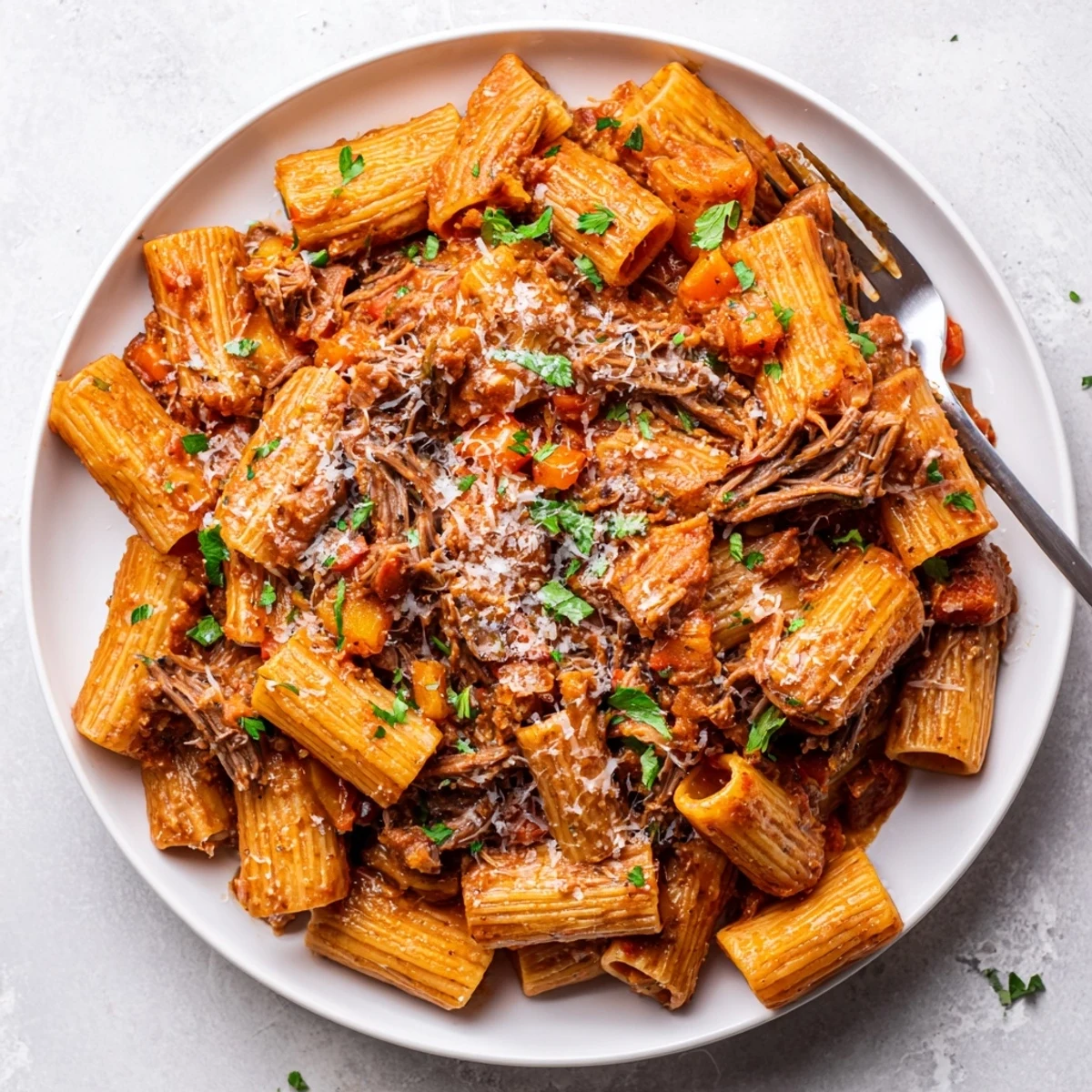
 This hearty Italian-style ragu transforms tough beef chuck into meltingly tender strands through an eight-hour slow simmer. The deep, savory sauce builds layers of flavor from seared beef, soffritto vegetables, crushed tomatoes, and red wine. Dried oregano, basil, and thyme add classic Italian herb notes while the low-and-slow cooking method allows the beef to become fork-tender and infuse every element of the sauce. Serve over wide pasta like pappardelle or creamy polenta, topped with fresh herbs and grated Parmesan. The ragu freezes beautifully, making it perfect for batch cooking ahead of busy weeknights.
The smell of this sauce filling the house on a Sunday morning changed everything about how I think about comfort food. My grandmother would scoff at using a slow cooker instead of her beloved dutch oven, but honestly, the way this beef falls apart after eight hours of lazy cooking makes me feel like I've discovered something that belongs in every home cook's arsenal. The first time I made it for a winter dinner party, guests were actually hovering around the kitchen island, dipping torn bread into the sauce before I even called everyone to the table.
Last February, during that brutal snowstorm that kept everyone housebound for three days, I threw this together with whatever was in my fridge. My neighbor shoveled over just to follow the smell, and we ended up eating bowls of it standing up in the kitchen while watching the snow pile up outside. That's when I realized this ragu isn't just dinner, it's the kind of food that makes people feel safe and welcome without you having to say a word.
Ingredients
- Beef chuck: Cut into 2 inch cubes, this tough cut transforms into meltingly tender meat that self shreds after hours of slow cooking
- Onion, carrots, celery: The classic holy trinity forms the aromatic foundation that builds depth as everything simmers together
- Garlic: Four cloves might feel generous but it mellows beautifully during the long cook time
- Crushed tomatoes: One 28 ounce can creates the rich tomato base that carries all the other flavors
- Red wine: Half a cup adds complexity and acidity that cuts through the richness of the beef
- Beef broth: Use a good quality brand or homemade stock for the best flavor foundation
- Tomato paste: Two tablespoons concentrate the tomato flavor and add a subtle sweetness
- Dried herbs: Oregano, basil, and thyme work together to create that classic Italian herb profile
- Bay leaf: Dont skip this, it adds an earthy backbone that you'll notice in the background
- Olive oil: For searing the beef and sautéing the vegetables before everything goes into the slow cooker
- Fresh herbs: Parsley or basil added right at the end brings a bright contrast to the long cooked flavors
Instructions
- Sear the beef:
- Heat olive oil in a large skillet over medium high heat and brown the beef cubes on all sides in batches, transferring each batch to the slow cooker as it finishes
- Soften the aromatics:
- In the same skillet, cook the onion, carrots, and celery for 3 to 4 minutes until softened, then add garlic for one final minute before adding everything to the slow cooker
- Add everything else:
- Pour in the crushed tomatoes, tomato paste, red wine, beef broth, herbs, bay leaf, and red pepper flakes, then season generously with salt and pepper
- Let it cook:
- Cover and cook on low for 8 hours until the beef shreds easily with just a gentle tug from a fork
- Shred and adjust:
- Remove the bay leaf, use two forks to shred the beef right in the sauce, then taste and add more salt or pepper if it needs a little something
- Serve it up:
- Spoon hot ragu over pasta or polenta and finish with chopped fresh herbs and grated Parmesan if you like
 Save to Pinterest
 My sister texted me at midnight after I first shared this recipe with her, saying she stood over the pot eating it cold with a spoon straight from the refrigerator. That's when I knew this wasn't just another recipe to file away and forget about. There's something about the way the beef completely surrenders to the sauce that makes people remember it long after the meal is over.
Making It Your Own
Try pork shoulder or lamb instead of beef for a completely different but equally delicious experience. Sometimes I'll add a diced red bell pepper with the vegetables if I want a little sweetness, and fresh rosemary instead of dried thyme works beautifully in the winter months.
Serving Suggestions
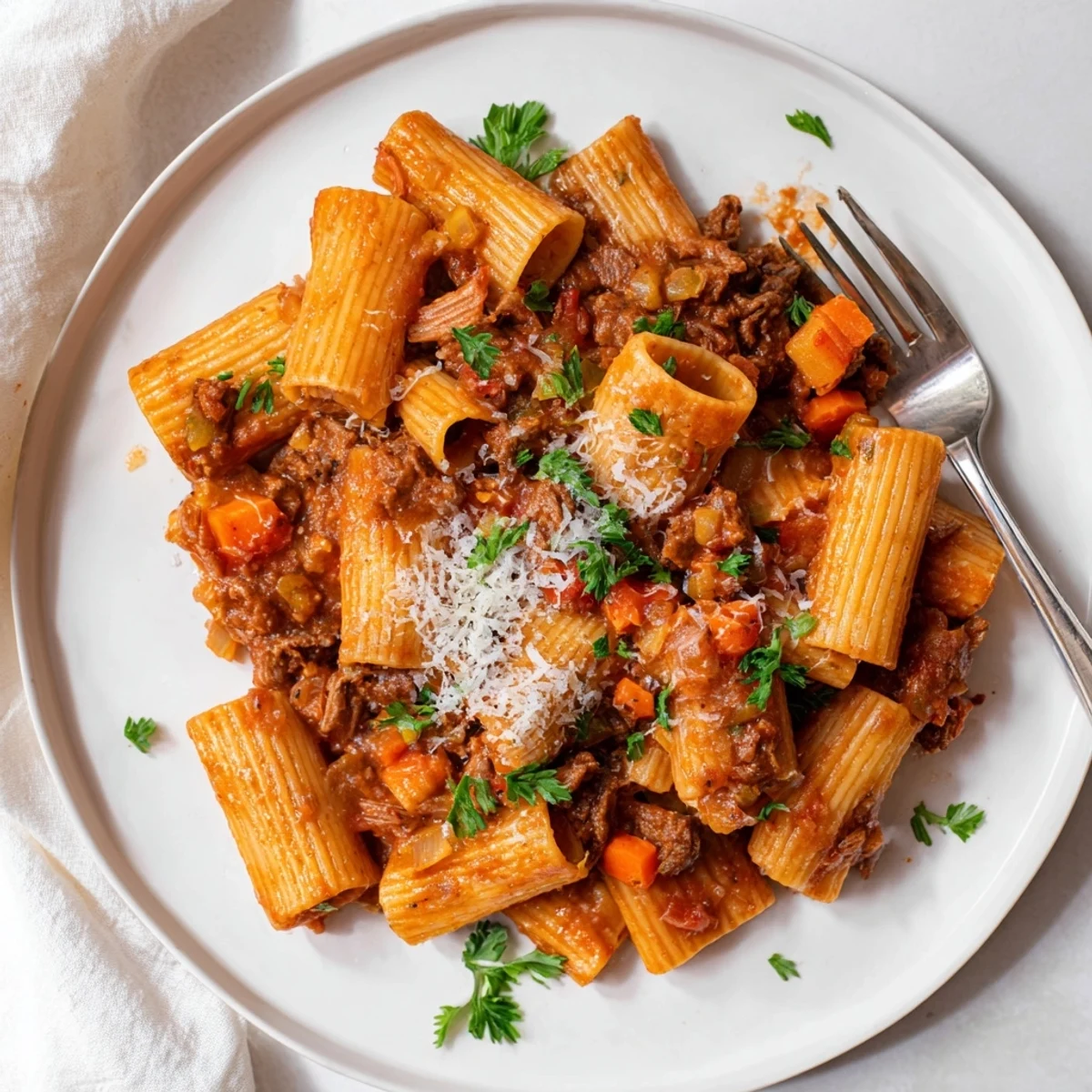
Wide ribbon pasta like pappardelle or tagliatelle catches the sauce perfectly, but creamy polenta makes it feel even more comforting. A crusty loaf of bread and a simple green salad with bright vinaigrette are all you need to make this a complete meal that people will talk about for weeks.
Storage And Timing
This ragu freezes exceptionally well, so I always make a double batch and portion half into freezer bags for those nights when cooking feels impossible. The flavors continue to develop over a few days in the refrigerator, so make it ahead if you're planning to serve it for a dinner party.
- Cool completely before freezing, leave about an inch of space at the top of the container
- Thaw overnight in the refrigerator and reheat gently with a splash of water if it seems too thick
- It keeps in the refrigerator for up to five days, though it rarely lasts that long in my house
 Save to Pinterest
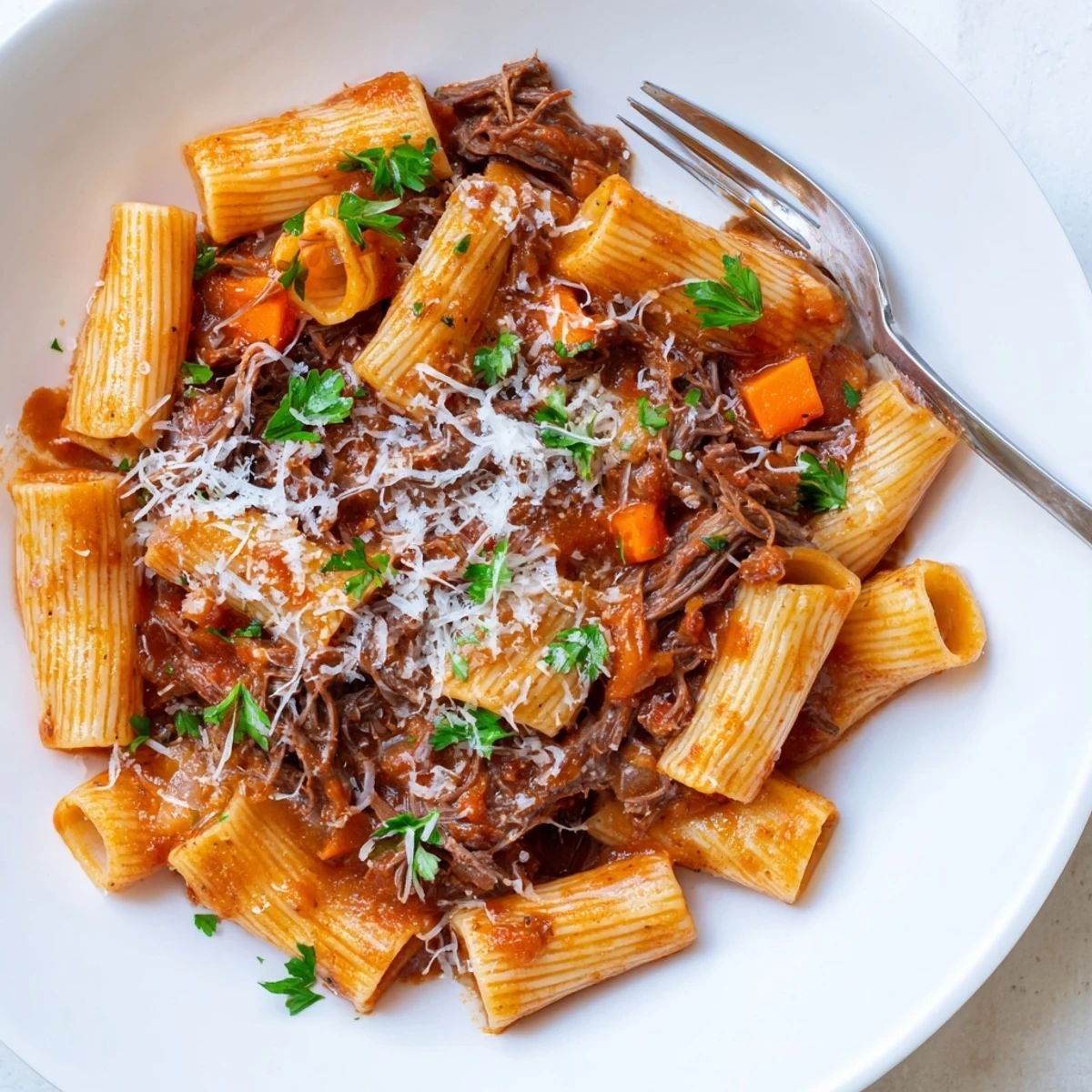
 There's nothing quite like the feeling of lifting the slow cooker lid after eight hours and seeing that rich, dark sauce waiting for you. It's the kind of meal that turns a regular Tuesday into something worth remembering.
Recipe FAQs
- → What cut of beef works best for ragu?
-
Beef chuck is ideal because it becomes meltingly tender after long cooking. The connective tissue breaks down during the eight-hour simmer, creating rich body in the sauce while the meat shreds easily.
- → Can I make this without a slow cooker?
-
Yes. Cook in a Dutch oven at 325°F (165°C) for 3-4 hours, covered, until beef shreds easily. Check occasionally and add liquid if needed to prevent drying.
- → What pasta pairs best with beef ragu?
-
Wide noodles like pappardelle, fettuccine, or tagliatelle hold the chunky sauce beautifully. Short ribbed shapes like rigatoni or gemelli also work well. Creamy polenta makes an excellent gluten-free alternative.
- → How long does the ragu keep in the refrigerator?
-
Store cooled ragu in an airtight container for up to 4 days. The flavors actually deepen after a day or two. Reheat gently on the stove, adding a splash of water or broth if thickened too much.
- → Can I freeze the ragu?
-
Absolutely. Cool completely, then freeze in portion-sized containers for up to 3 months. Thaw overnight in the refrigerator before reheating. The texture remains excellent after freezing.
- → What wine should I use in the sauce?
-
A dry Italian red like Chianti, Barbera, or Sangiovese adds authentic flavor. Avoid cooking wines which can be overly salty. Any drinkable dry red wine you enjoy will work well.