
 Save to Pinterest
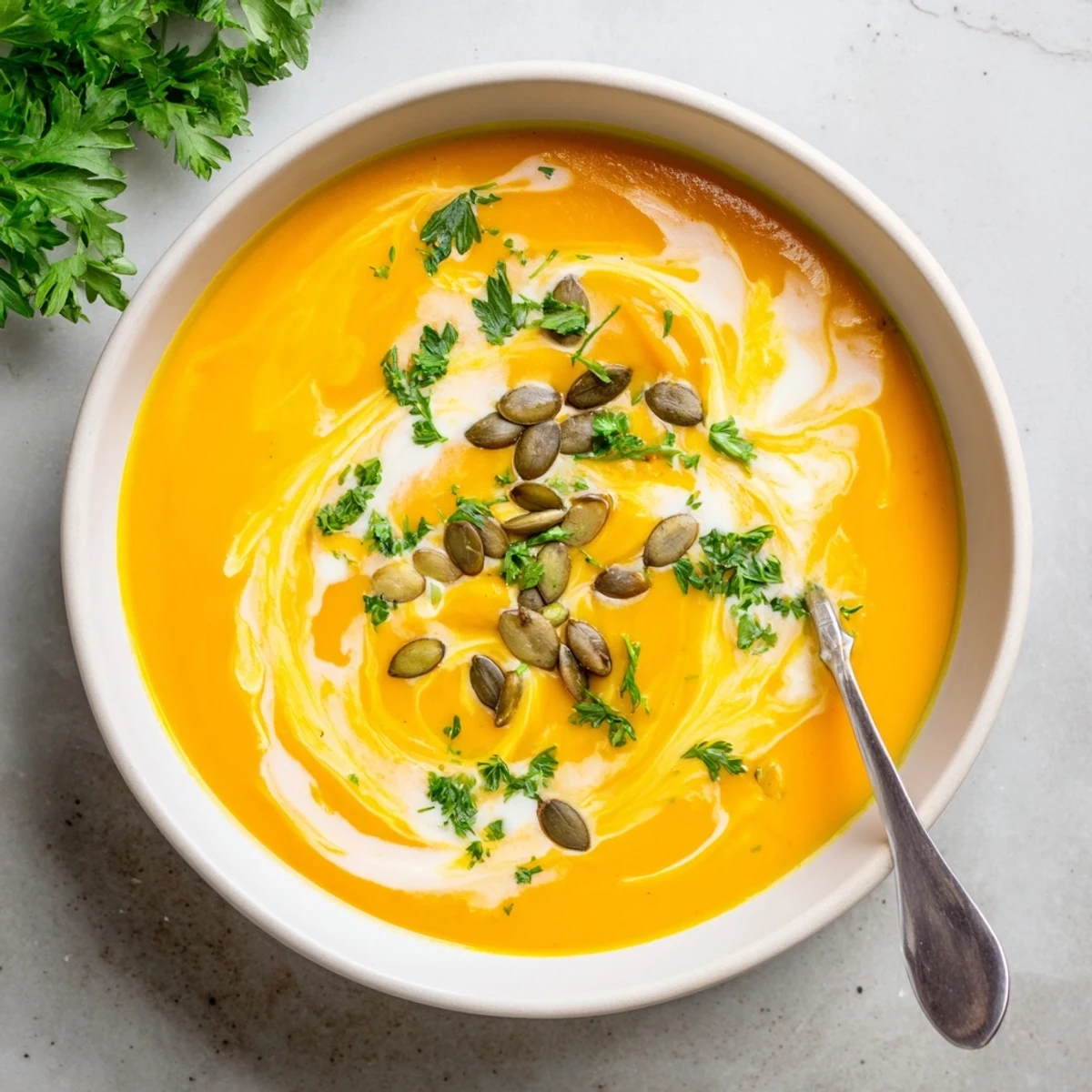
 This velvety butternut squash soup transforms simple ingredients into pure comfort. Roasting the vegetables first creates deep, caramelized flavors that blend beautifully with warm spices like cinnamon and nutmeg.
The smooth, silky texture comes from thoroughly blending the roasted vegetables with broth, with optional cream for added richness. Ready in just an hour, it's perfect for chilly days, easily made vegan by substituting coconut milk, and naturally gluten-free.
The first frost of autumn always triggers my soup-making instinct, and this butternut squash recipe emerged during a particularly cold October weekend. My kitchen windows were fogged with steam as the sweet aroma of caramelizing squash filled every corner of our home. Something magical happens when those cubes of butternut turn golden-brown and begin to release their natural sweetness against the roasting pan.
Last Thanksgiving, I brought a thermos of this soup to my sisters potluck dinner as an appetizer. As everyone stood around the kitchen chatting before the main meal, small cups of this velvety soup disappeared within minutes. My brother-in-law, who claims to dislike anything vegetable-forward, asked for the recipe before dinner was even served.
Ingredients
- Butternut squash: Look for one with a matte skin rather than glossy, as the glossy ones tend to be less ripe and wont caramelize as beautifully in the oven.
- Yellow onion: The natural sweetness of yellow onions complements the squash perfectly, and roasting them mellows any harshness while concentrating their flavor.
- Heavy cream or coconut milk: This optional addition transforms the soup from merely good to restaurant-quality luxurious, though Ive found coconut milk adds a subtle dimension that works brilliantly with the spices.
- Cinnamon and nutmeg: These warming spices shouldnt overwhelm the soup - they should whisper rather than shout, enhancing the squashs natural flavor profile.
Instructions
- Roast to intensify:
- When arranging vegetables on your baking sheet, make sure theyre spread in a single layer with a bit of space between pieces. This ensures proper caramelization rather than steaming.
- Check for doneness:
- The vegetables should be fork-tender and developing caramelized edges. These golden bits are flavor treasures that will make your soup extraordinary.
- The simmer step:
- Those ten minutes of simmering after adding broth and spices might seem skippable when youre hungry, but this is when the flavors truly integrate. The transformation is subtle but significant.
- Blending technique:
- If using a stand blender, fill it only halfway and hold the lid with a kitchen towel to prevent hot soup explosions. For immersion blenders, use an up-and-down motion rather than circular to incorporate air and create silkiness.
- Final adjustments:
- After adding cream, taste again before serving. Sometimes the richness dampens the seasoning, and a final pinch of salt can wake everything up.
 Save to Pinterest
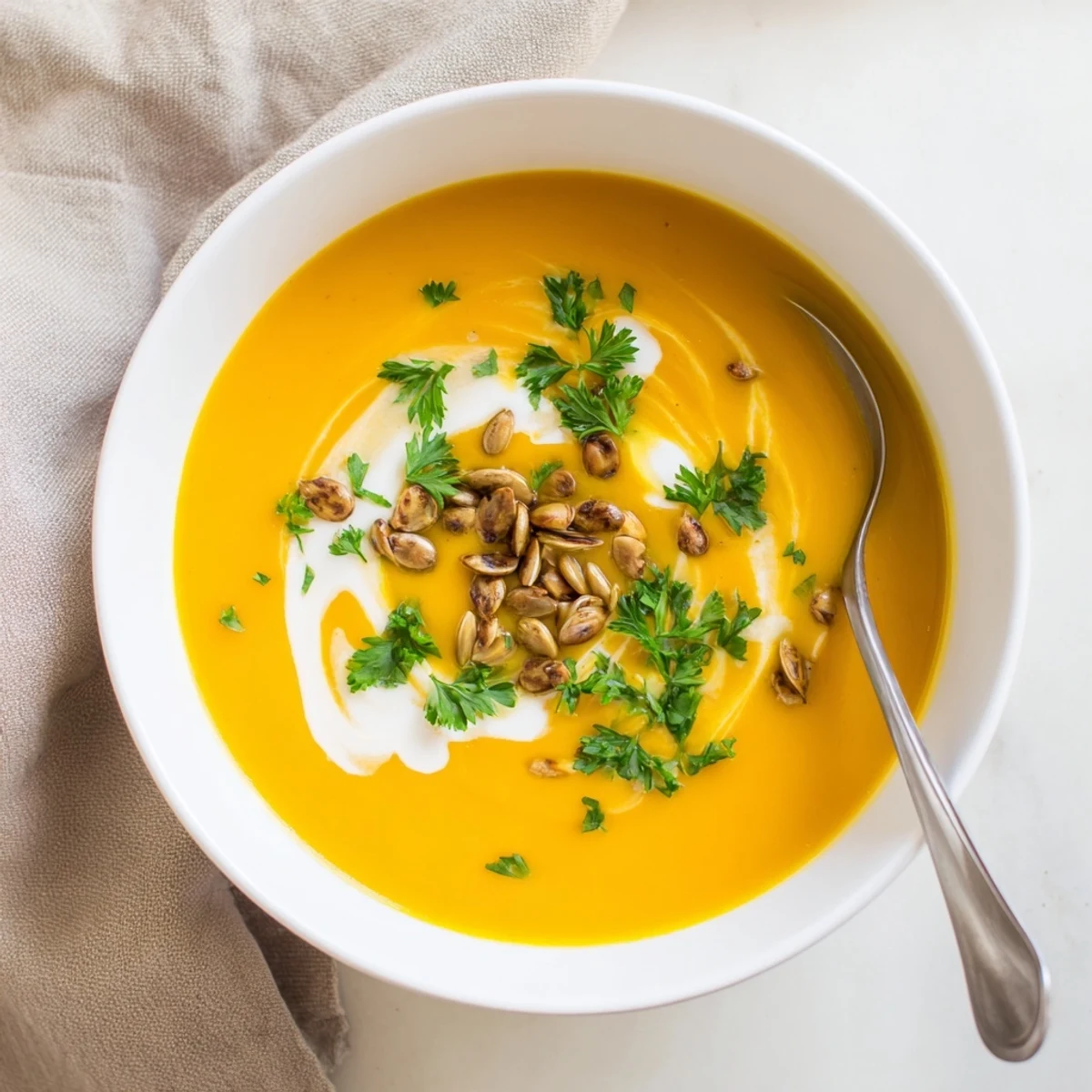
 One snowy evening when my friend Sarah was going through a difficult breakup, I invited her over without mentioning food. When she arrived, I silently placed a steaming bowl of this soup in front of her, topped with a drizzle of cream forming a simple heart pattern. She smiled for the first time that week, and we sat in comfortable silence, letting the soup speak its own language of comfort.
Serving Suggestions
Ive discovered that serving temperature matters tremendously with this soup. Too hot, and the nuanced spice notes get lost, but too cool and the silky texture becomes noticeably thicker. I aim for that perfect middle ground where its still steaming but wont burn your tongue, allowing all those caramelized vegetable flavors to shine through.
Storage and Make-Ahead Tips
This soup actually improves with time as the flavors continue to meld together. Ive made it three days ahead for dinner parties, keeping it refrigerated without the cream, then reheating gently and stirring in the cream just before serving. The convenience of having it ready to go makes entertaining so much less stressful.
Variations to Try
During my experimental cooking phase last winter, I discovered several delicious twists on this classic recipe that have become regular rotations in my kitchen. Adding a tart apple to the roasting vegetables brings a subtle brightness that balances the sweetness of the squash in an unexpected way.
- Stir in a tablespoon of maple syrup and a dash of bourbon at the end for a sophisticated twist thats perfect for holiday gatherings.
- For a protein boost, swirl in a spoonful of almond butter before serving - the nutty flavor pairs surprisingly well with the squash.
- Replace half the butternut with roasted cauliflower for a lighter version that still maintains that silky texture we all crave.
 Save to Pinterest
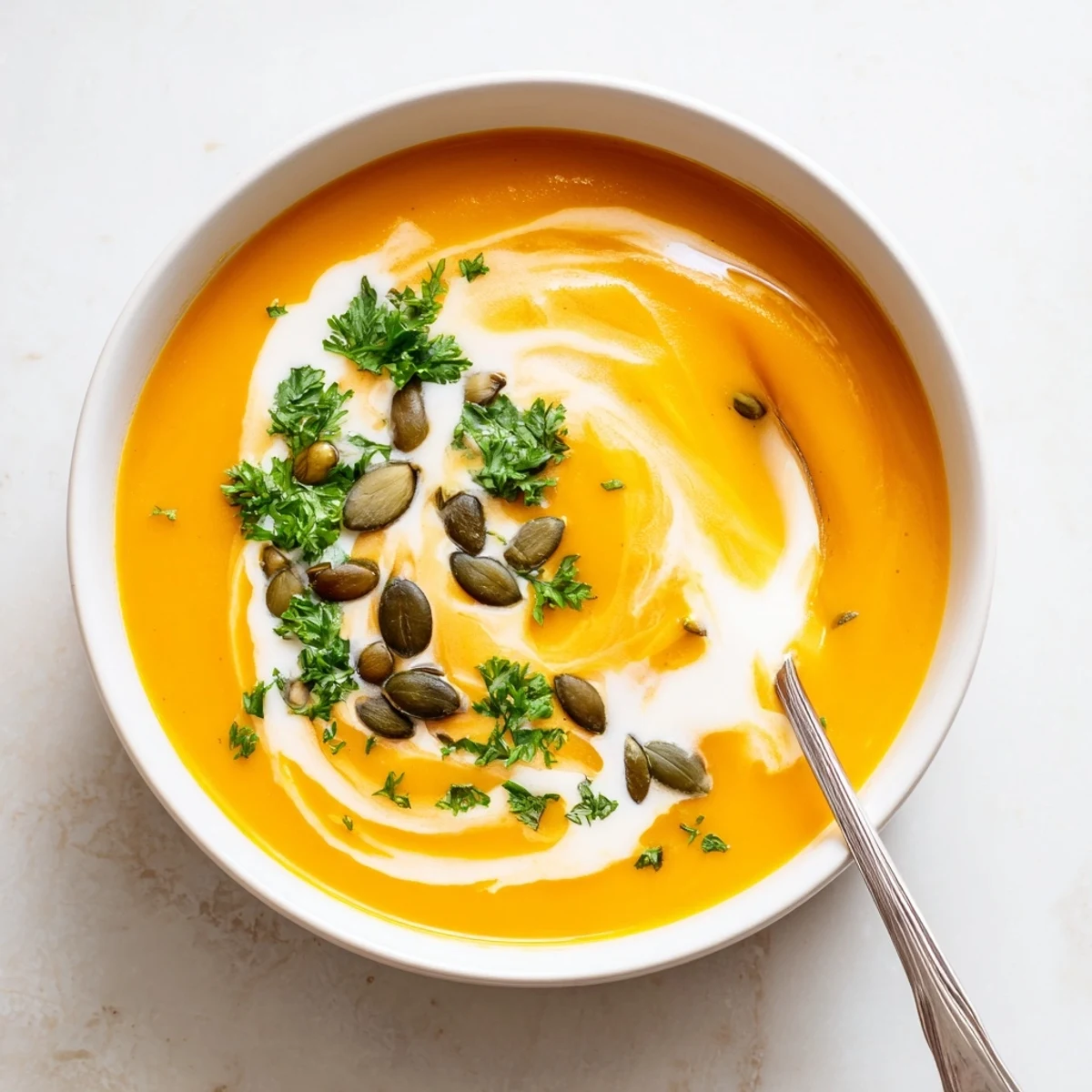
 This soup has become my signature offering when words fail but comfort is needed. It speaks of care and warmth in a language everyone understands.
Recipe FAQs
- → Can I make this butternut squash soup ahead of time?
-
Yes! This soup actually improves with time as the flavors meld. Make it up to 3 days ahead and store in the refrigerator. Reheat gently on the stovetop, adding a splash of broth if needed to adjust consistency.
- → How can I make this soup vegan?
-
Simply substitute the heavy cream with coconut milk or your favorite plant-based cream alternative. The rest of the ingredients are already vegan-friendly!
- → Can I freeze this butternut squash soup?
-
Absolutely! Freeze it in airtight containers for up to 3 months. For best results, freeze before adding any cream. When reheating, thaw overnight in the refrigerator and warm gently, adding cream if desired after heating.
- → What can I serve with this soup?
-
This soup pairs beautifully with crusty bread, a simple green salad, or grilled cheese sandwich. For a more substantial meal, serve with a sandwich or add protein toppings like crispy bacon or roasted chickpeas.
- → Can I use pre-cut butternut squash to save time?
-
Yes! Pre-cut butternut squash works perfectly in this soup and saves significant preparation time. Just adjust the roasting time slightly as smaller pre-cut pieces may cook faster than larger hand-cut chunks.
- → How can I make this soup less thick?
-
If you prefer a thinner consistency, simply add more vegetable broth until you reach your desired thickness. Add it gradually and blend well between additions.