
 Save to Pinterest
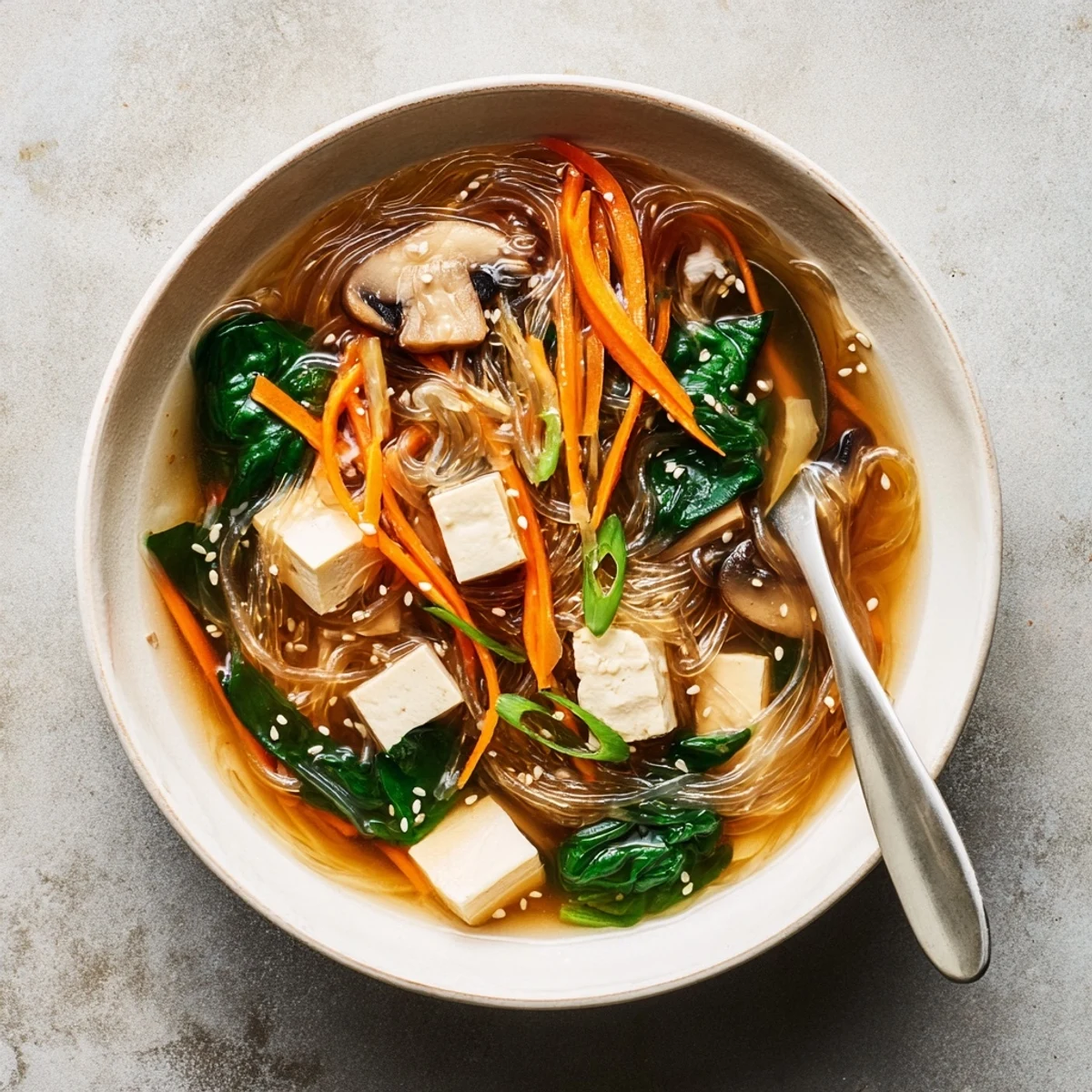
 This warming Japanese soup features translucent glass noodles known as harusame swimming in a delicate dashi broth. The noodles absorb the savory flavors of soy sauce, mirin, and sesame oil while tender vegetables like carrots, shiitake mushrooms, and fresh spinach add texture and nutrition. Perfect for quick weeknight dinners, this light yet satisfying bowl comes together in just 25 minutes. The naturally dairy-free preparation makes it an excellent choice for healthy eating, while optional tofu adds protein without heaviness.
The first time I made harusame soup was on a gray Tuesday when nothing sounded good except something that wouldn't weigh me down. These translucent noodles have this way of turning a simple bowl into something that feels restorative without being heavy. I've since learned that the magic is really in the broth and how quickly everything comes together.
My friend Asako taught me that harusame noodles are her go-to when she's feeling under the weather or just needs something gentle. We stood in her tiny Tokyo kitchen watching the noodles turn from cloudy to clear, and she explained that Japanese home cooks often keep these glass noodles on hand for exactly this kind of emergency comfort. Now whenever I see them in the Asian market, I grab a few packs.
Ingredients
- 5 cups dashi stock: This foundational Japanese broth brings a subtle umami depth that you can't get from plain water, though a good quality chicken or vegetable broth works in a pinch
- 2 tbsp soy sauce: Adds that essential savory backbone and a beautiful amber color to the broth
- 1 tbsp mirin: Provides just a hint of sweetness that balances the saltiness and creates that characteristic Japanese flavor profile
- 1 tsp sesame oil: This tiny amount adds a wonderful aromatic finish that makes the soup feel more complex
- 100 g harusame noodles: These delicate glass noodles are made from mung bean starch and become wonderfully translucent when cooked
- 1 medium carrot, julienned: Brings natural sweetness and a beautiful orange contrast to the pale broth
- 100 g shiitake mushrooms: Their meaty texture and earthy flavor add substance to this light soup
- 60 g baby spinach or bok choy: Adds fresh green color and a slight bitterness that balances the savory elements
- 100 g firm tofu: Optional protein that makes this more filling while keeping it light
- 1 tsp toasted sesame seeds: The final garnish adds a nutty crunch and visual appeal
Instructions
- Build the flavorful broth base:
- Combine the dashi stock with soy sauce, mirin, sesame oil, and salt in a large saucepan. Let it come to a gentle simmer over medium heat, watching as the liquid transforms into something fragrant and inviting.
- Soften the harder vegetables first:
- Add the julienned carrots and sliced shiitake mushrooms to the simmering broth. Let them cook for about 5 minutes until they start to soften and release their flavors into the liquid.
- Add the protein if using:
- Drop in the tofu cubes and let them simmer for another 2 minutes to warm through and absorb some of the broth's flavor.
- Prepare the glass noodles separately:
- Place the harusame noodles in a heatproof bowl and cover them with boiling water. Let them soak for 4 to 5 minutes until tender, then drain well and divide among your serving bowls.
- Wilt the delicate greens:
- Add the spinach or bok choy to the simmering broth and cook for just 1 minute until it wilts but still retains some brightness and structure.
- Assemble and serve immediately:
- Ladle the hot broth and vegetables over the noodles in each bowl. Finish with sesame seeds and extra spring onion for that perfect final touch.
 Save to Pinterest
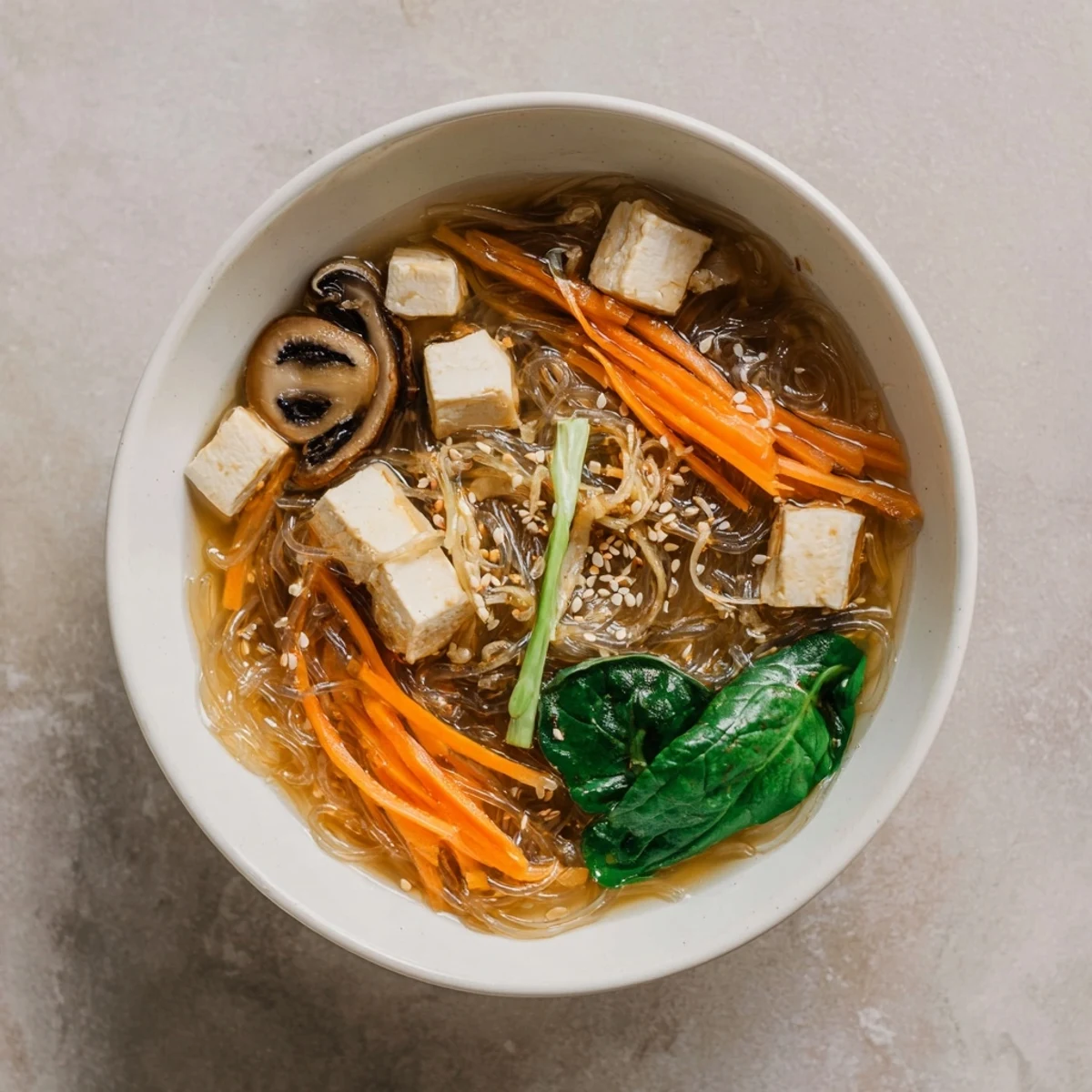
 Last winter when my partner had a terrible cold, this became the only thing they could stomach. Something about the warm, clear broth and slippery noodles felt healing without being overwhelming. Now it's our default when anyone needs gentle nourishment that still feels like a real meal.
Making It Your Own
While the traditional version is beautiful as written, this soup welcomes endless variations. I've added shredded chicken breast, swapped bok choy for napa cabbage, and even thrown in some enoki mushrooms for visual drama. The key is keeping the broth balanced and not overloading it with too many competing ingredients.
The Noodle Factor
Harusame noodles are fascinating because they practically disappear in the broth yet provide the most satisfying texture. If you can't find them, thin rice vermicelli works, though they won't have quite the same delicate bounce. Whatever noodle you choose, remember that they expand as they soak.
Serving Suggestions
This soup works as a light main course or as a starter alongside something more substantial. In Japanese homes, it might be served with pickles and rice. I like to offer shichimi togarashi on the side so everyone can adjust the heat level to their preference.
- Keep extra hot broth handy in case the noodles absorb too much liquid at the table
- A drizzle of chili oil can transform this into something entirely different for spice lovers
- Leftovers keep for about two days, though the noodles will continue softening
 Save to Pinterest
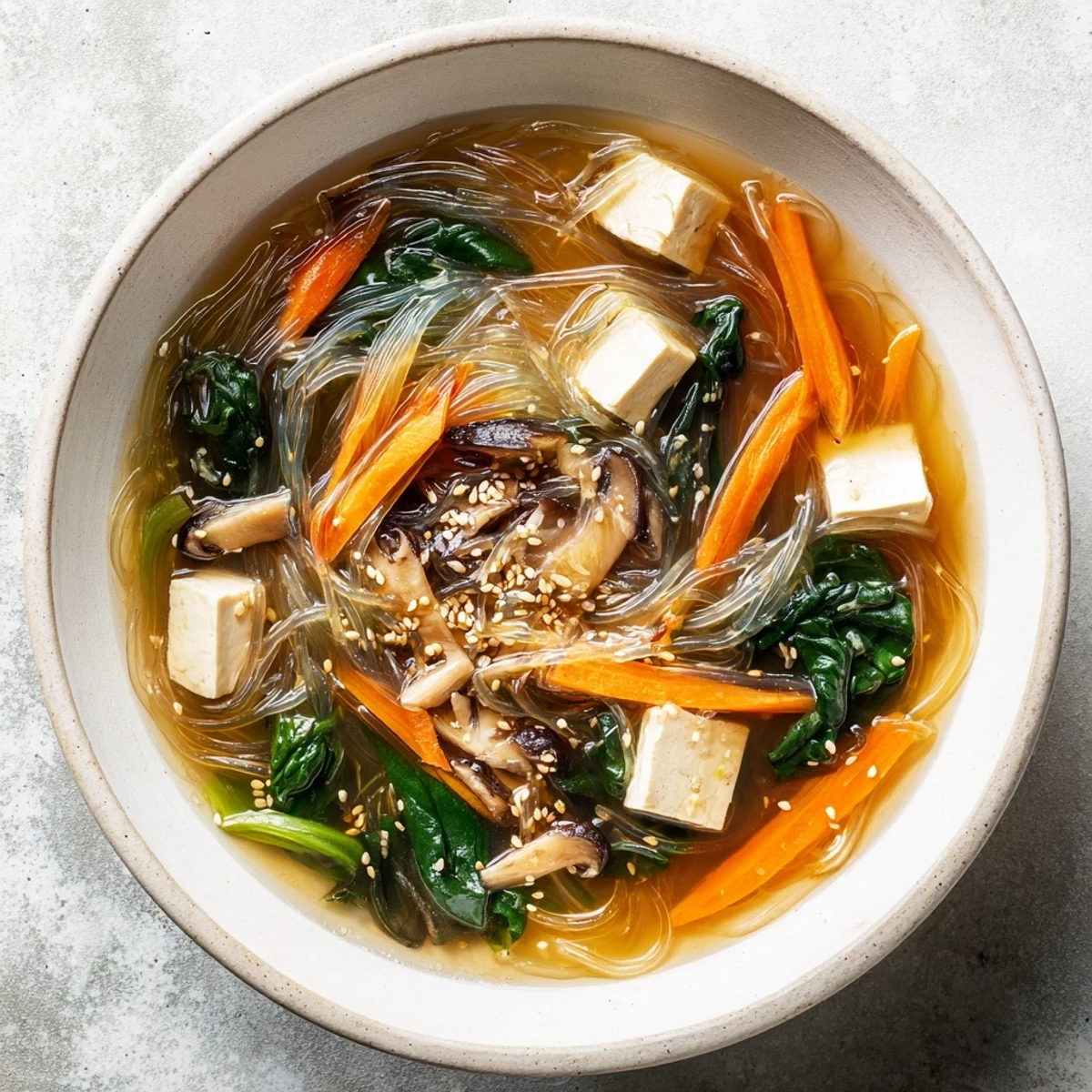
 Something about these translucent noodles floating in that golden broth makes me feel peaceful. Maybe that's exactly what comfort food should do.
Recipe FAQs
- → What are harusame noodles?
-
Harusame are Japanese glass noodles made from mung bean starch, potato starch, or sweet potato starch. They're translucent, delicate threads that become tender when soaked in hot water and have a mild flavor that absorbs surrounding broths beautifully.
- → Can I make this vegetarian?
-
Yes, simply substitute traditional dashi stock (which contains bonito flakes) with vegetable broth or kombu-based dashi. Omit the tofu or use a vegetable-based alternative to keep it entirely plant-based.
- → How do I store leftovers?
-
The broth and vegetables can be refrigerated for up to 3 days in an airtight container. However, store the noodles separately and add them when reheating, as they will continue absorbing liquid and become overly soft if left in the soup.
- → What other vegetables work well?
-
Snow peas, shredded cabbage, bok choy stems, enoki mushrooms, or sliced bamboo shoots are excellent additions. For extra depth, try adding wakame seaweed or baby corn for varied texture and flavor.
- → Can I add protein?
-
Firm tofu cubes work wonderfully as suggested, but you can also add shredded cooked chicken, tempura shrimp, or even a soft-boiled egg for additional protein. Adjust cooking time accordingly for any added ingredients.