
 Save to Pinterest
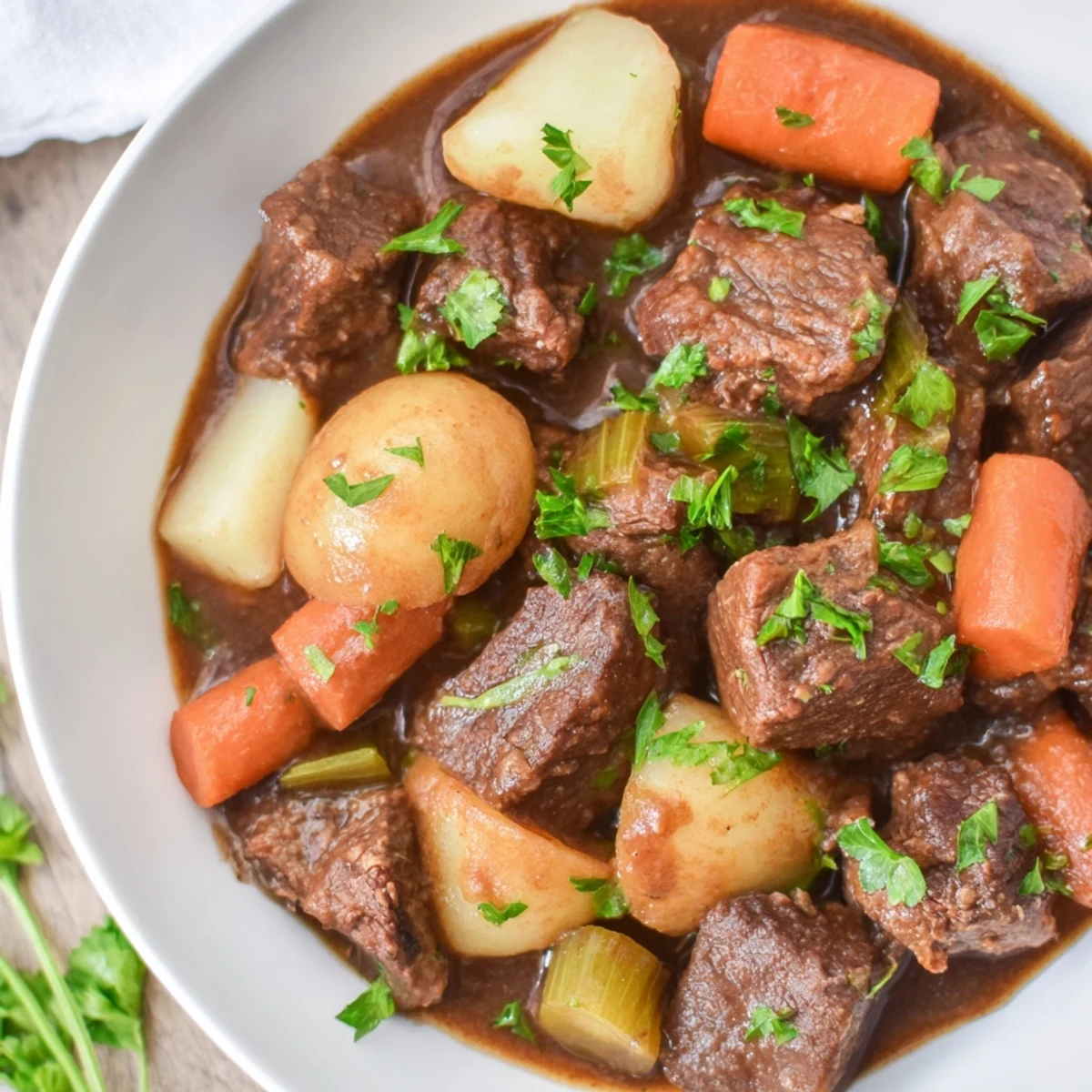
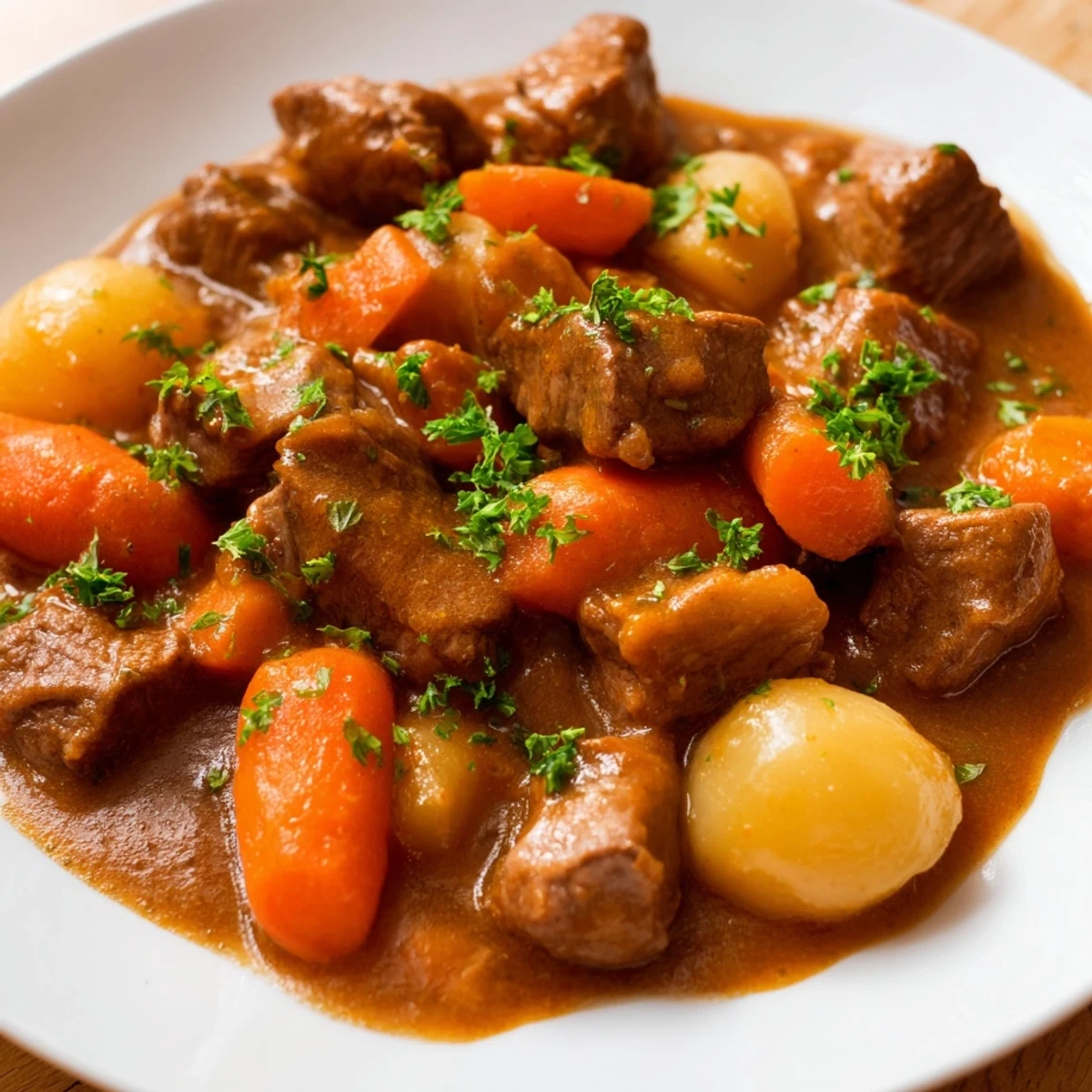
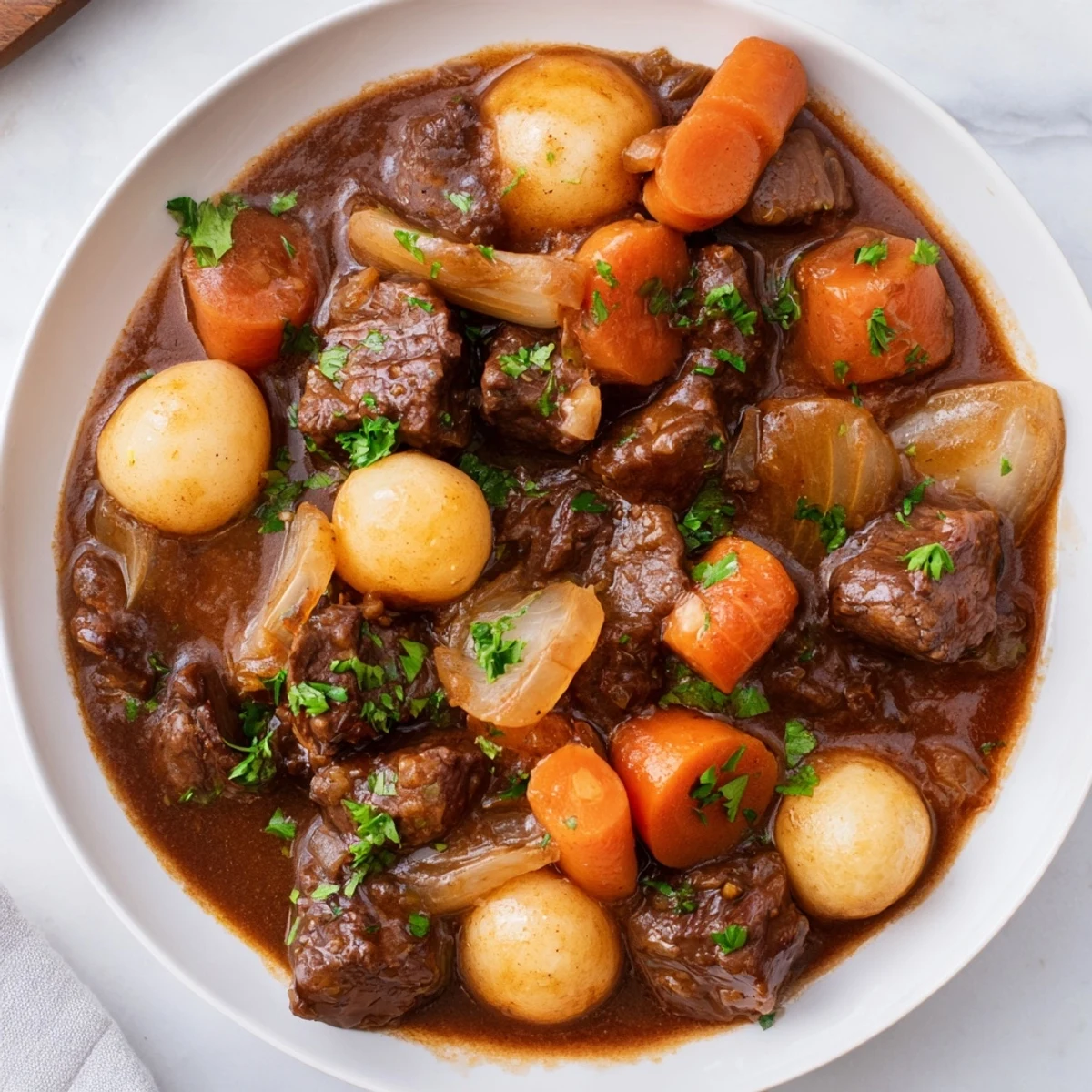
 This dish features tender chunks of beef simmered slowly with root vegetables, herbs, and a rich, malty sauce inspired by Guinness. The alcohol-free stout adds depth and complexity without overpowering the natural flavors. Simmering for hours softens the meat and vegetables, resulting in savory, comforting bites. Aromatic herbs like thyme and bay leaves enhance the stew, while a sprinkle of fresh parsley adds a bright finish. Ideal for a hearty meal paired with crusty bread or mashed potatoes.
The rain was hammering against my kitchen window last Tuesday, the kind of relentless Irish weather that practically demands something bubbling away on the stove. I had bought alcohol-free stout on a whim, curious if it could deliver that same depth without the buzz. Two hours later, my entire apartment smelled like a cozy pub in Dublin, and I knew I'd stumbled onto something special.
My dad called me halfway through the simmering time, asking what smelled so amazing. When I explained it was alcohol-free, he confessed he'd been avoiding stout stews for years because of the alcohol content. Now he requests this every time he visits, and I've started keeping alcohol-free stout stocked just for him.
Ingredients
- Beef chuck: This cut has the perfect fat content for slow cooking, breaking down into meltingly tender pieces while adding body to your sauce
- Alcohol-free stout: Provides that signature malty bitterness and dark color without any alcohol, and I've found the 0.0 versions work beautifully
- Potatoes and parsnips: The potatoes naturally thicken the stew while parsnips add a subtle sweetness that balances the bitter stout
- Tomato paste: Don't skip this, it deepens the color and adds umami that makes the sauce taste like it simmered all day
- Flour: Essential for coating the vegetables and creating that velvety consistency that separates a stew from soup
Instructions
- Prep your beef properly:
- Pat those cubes completely dry with paper towels, then season generously with salt and pepper, trying to coat every surface
- Build your flavor foundation:
- Heat your oil in the Dutch oven until it shimmers, then brown the beef in batches without overcrowding, letting each side develop a deep, golden crust
- Sauté your aromatics:
- Reduce the heat to medium and cook your onions, garlic, carrots, celery, and parsnips until they're softened and the bottom of the pot is strewn with browned bits
- Create the sauce base:
- Sprinkle the flour over the vegetables, stir constantly for two minutes to cook out the raw taste, then stir in the tomato paste until it darkens slightly
- Bring it all together:
- Return the beef to the pot, pour in the stout and stock while scraping up every bit of flavor from the bottom, then add the Worcestershire sauce and herbs
- Let it work its magic:
- Bring everything to a boil, then reduce to a gentle simmer, cover partially, and let it bubble away for 1.5 to 2 hours until the beef yields easily to a fork
- Finish with care:
- Fish out the bay leaves, taste your creation, adjust the seasoning as needed, and shower with fresh parsley before bringing it to the table
 Save to Pinterest
 Last month I made this for a St. Patrick's Day dinner, and my friend Sarah, who's been sober for three years, nearly cried when she tasted it. She said she'd missed out on so many traditional dishes, and here was this incredible bowl of comfort that she could fully enjoy. We sat there for hours, dipping crusty bread and talking about how food has this magical way of including everyone.
Getting That Perfect Consistency
If your sauce looks too thin after the simmering time, don't panic. I learned this trick from an Irish cook who told me to simply remove about a cup of the cooked vegetables, mash them until smooth, and stir them back into the pot. It thickens everything naturally without any cornstarch slurry or roux, and actually intensifies the vegetable flavor.
The Bread Strategy
You absolutely need something to dunk into this stew. I've tried serving it with rice, mashed potatoes, even polenta, but nothing beats a thick slice of crusty bread or traditional Irish soda bread. The bread acts as a sponge for that incredible sauce, and the slight char from toasting creates this perfect textural contrast with the tender beef.
Make-Ahead Magic
This stew is actually better if you make it a day ahead. The flavors have time to marry and deepen, and any excess fat will solidify on top for easy removal. I portion leftovers into freezer-safe containers and have emergency comfort meals ready for months.
- Cool the stew completely before freezing to prevent ice crystals
- Thaw overnight in the refrigerator and reheat gently on the stove
- The potatoes may soften slightly upon freezing, but the sauce will still be incredible
 Save to Pinterest
 There's something profoundly satisfying about a stew that nourishes without compromise. This one brings all the comfort of traditional Irish cooking to everyone at the table, no exceptions needed.
Recipe FAQs
- → Can I substitute the alcohol-free stout?
-
Yes, you can use other non-alcoholic dark beers with similar maltiness or a combination of beef stock and brewed black tea for depth.
- → How long should the stew simmer?
-
Simmer the stew for 1.5 to 2 hours until the beef is tender and the sauce thickens to a rich consistency.
- → Can I make this dish gluten-free?
-
Use gluten-free flour for thickening and ensure your alcohol-free stout is certified gluten-free.
- → What vegetables work best in this dish?
-
Root vegetables like carrots, celery, potatoes, and parsnips blend well, adding sweetness and texture to the sauce.
- → How do I adjust the thickness of the sauce?
-
For a thicker sauce, mash part of the cooked vegetables and stir them back in to add body and texture.