
 Save to Pinterest
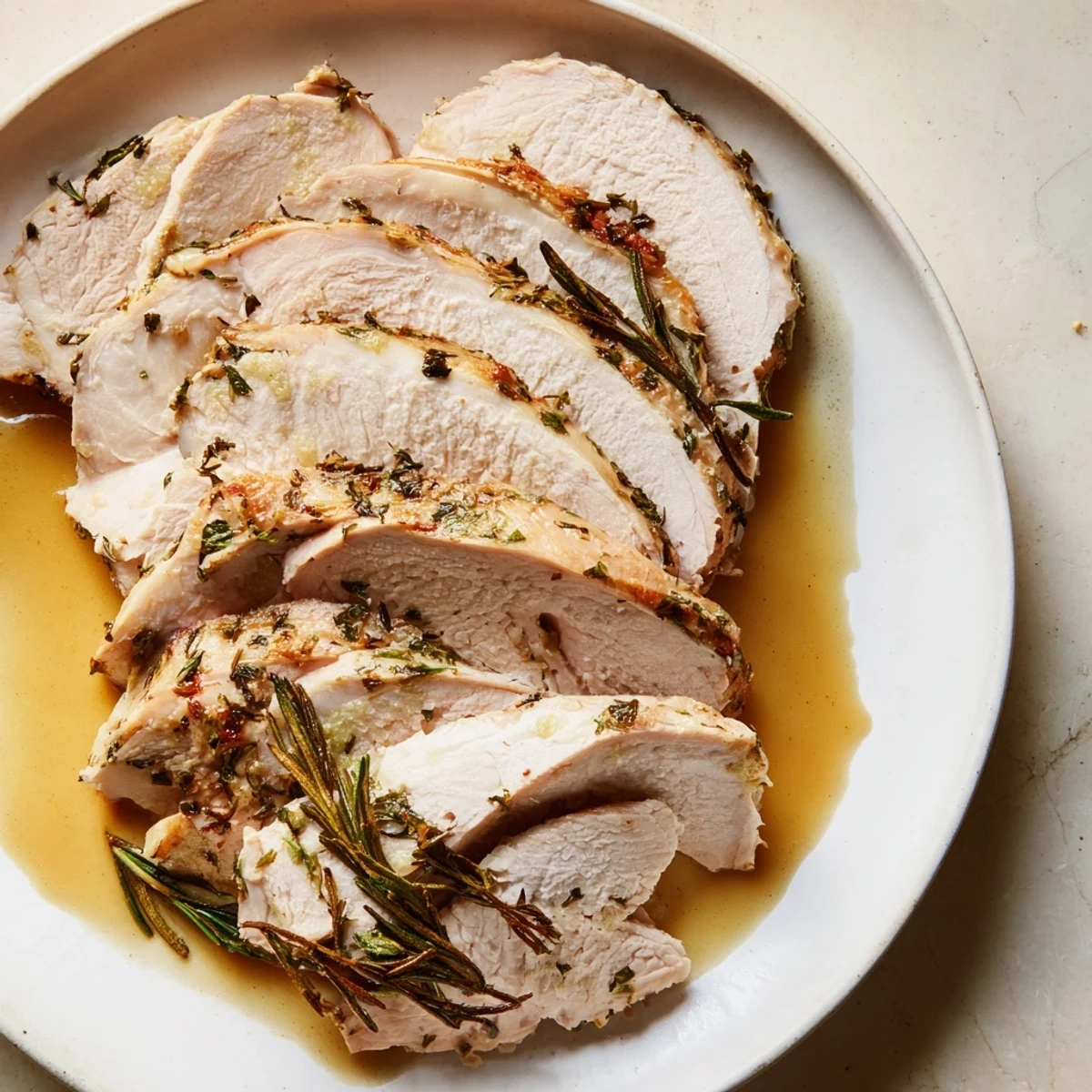
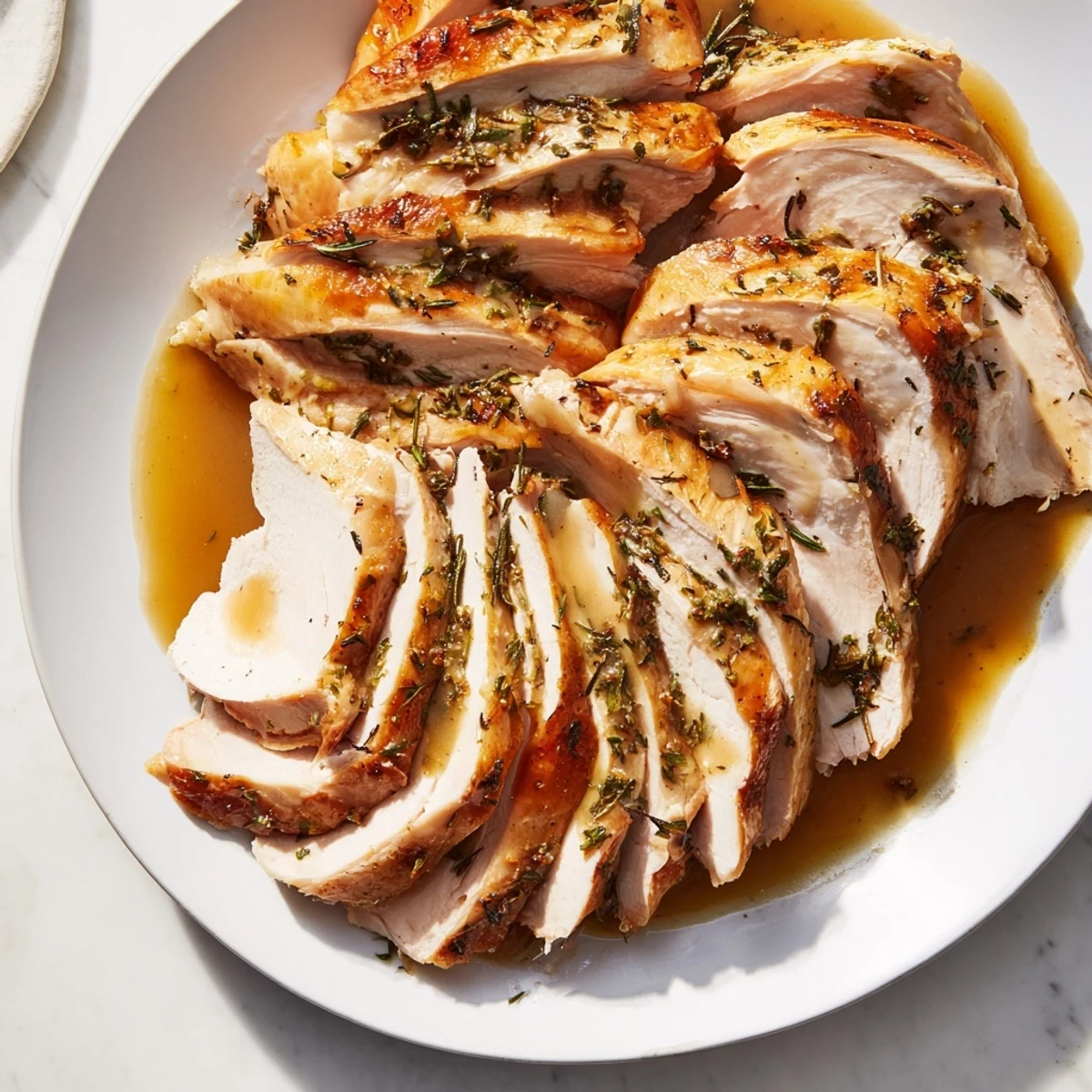
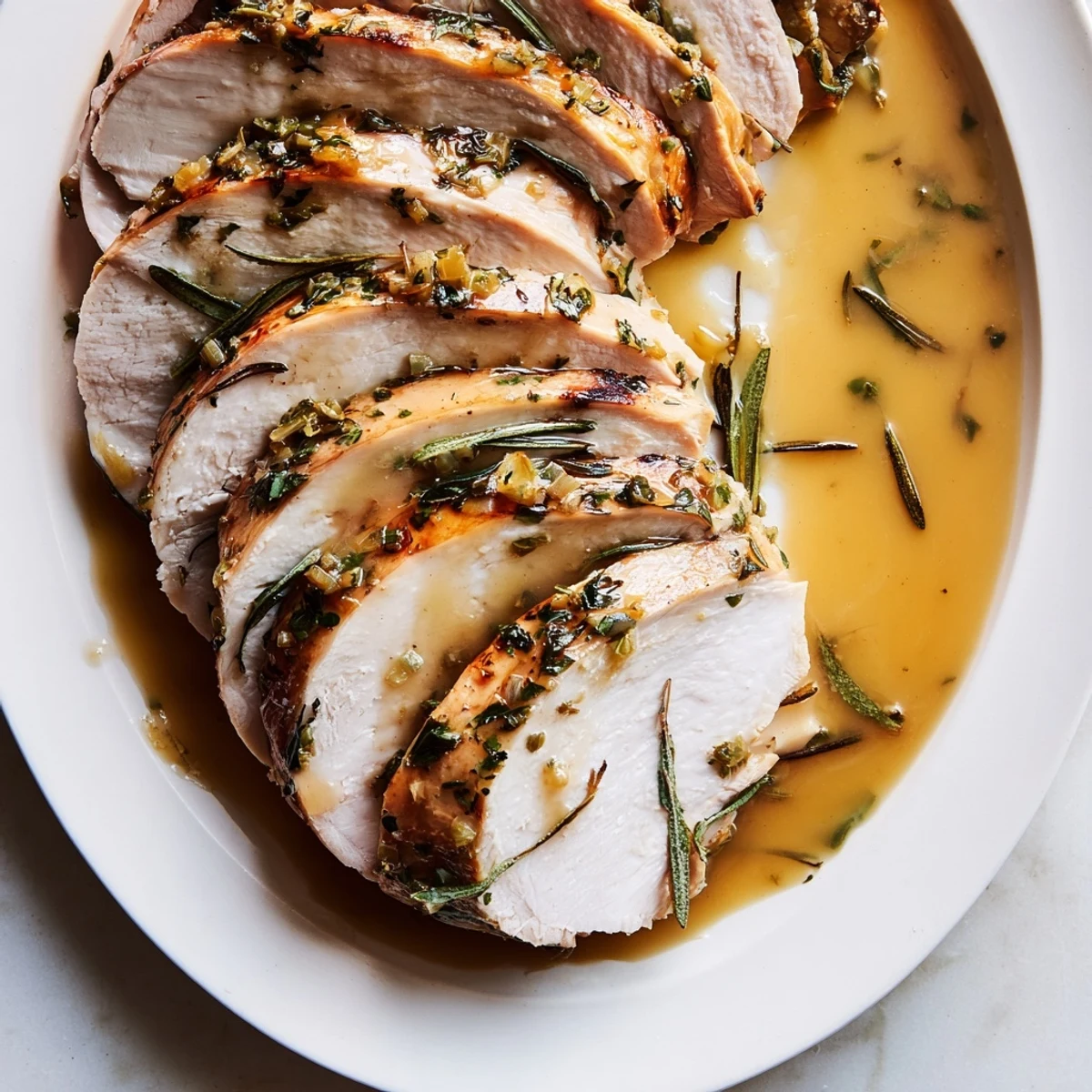
 This dish features a boneless turkey breast seasoned with a fresh herb blend of rosemary, thyme, and sage, combined with garlic and lemon zest. The turkey is gently rubbed with softened butter and olive oil before roasting atop a bed of onions, carrots, and celery, infusing savory flavors throughout. Basted with pan juices during roasting, it remains juicy and tender. The pan drippings are transformed into a smooth, herb-infused gravy enriched with butter and broth, perfect for serving alongside the sliced turkey. Ideal for special gatherings or cozy family meals.
The first time I roasted a turkey breast instead of a whole bird, I felt like I'd discovered a kitchen secret that changed everything. No more wrestling with a massive bird or worrying about dry white meat while the dark meat finishes cooking. This herb-roasted version became my go-to for Sunday dinners and small holiday gatherings, delivering all the festive flavors with a fraction of the fuss.
Last Christmas, my sister-in-law took one bite of this turkey and immediately asked for the recipe. She swore she'd never make a whole turkey again after seeing how perfectly this turned out with so much less effort. Now it's become our family's new tradition, and honestly, nobody misses the giant bird taking up half the refrigerator.
Ingredients
- 1 boneless skin-on turkey breast (about 2.5–3 lbs / 1.1–1.4 kg): Boneless roasts faster and more evenly, while the skin protects the meat and creates that crispy golden exterior we all love
- 2 tbsp olive oil: Helps the herb butter spread more easily and adds a fruity base note to the seasoning blend
- 3 tbsp unsalted butter softened: The carrier for all those herbs, and butter under the skin is the secret to incredibly moist white meat
- 2 tbsp fresh rosemary finely chopped: Piney and aromatic, rosemary stands up beautifully to roasting and infuses the meat with woodsy flavor
- 2 tbsp fresh thyme finely chopped: Earthy and gentle, thyme complements turkey without overpowering it
- 1 tbsp fresh sage finely chopped: The quintessential Thanksgiving herb that adds that warm, savory, slightly peppery note we associate with holiday meals
- 4 garlic cloves minced: Roasted garlic becomes sweet and mellow, permeating every bite with subtle depth
- 1½ tsp kosher salt: Essential for seasoning throughout, not just on the surface
- 1 tsp black pepper: Freshly cracked gives you those little bursts of spicy warmth
- Zest of 1 lemon: Bright citrus notes cut through the richness and make everything taste fresher
- 1 onion quartered: Creates a flavorful bed for roasting and adds sweetness to the pan drippings
- 2 carrots cut into large chunks: Foundation for the gravy base, adding natural sweetness and color
- 2 celery stalks cut into large chunks: Aromatic backbone for both the roasting liquid and eventual gravy
- 1 cup (240 ml) low-sodium chicken broth: Keeps the roasting pan moist and creates those precious drippings for gravy
- 2 cups (480 ml) turkey or chicken broth: The liquid base for your gravy, building on the flavor foundation you started while roasting
- 2 tbsp pan drippings: Liquid gold, pure concentrated flavor from the roasting process
- 2 tbsp unsalted butter: Creates a rich, velvety gravy and helps with thickening
- 2 tbsp cornstarch: The secret to silky lump-free gravy that thickens beautifully
- Salt and pepper to taste: Final seasoning to make the gravy sing
Instructions
- Preheat and prep:
- Preheat your oven to 375°F (190°C) and pat the turkey breast completely dry with paper towels. This step is crucial for achieving crispy, golden skin.
- Make the herb butter:
- In a small bowl, mash the softened butter, olive oil, rosemary, thyme, sage, garlic, lemon zest, salt, and pepper until you have a fragrant, cohesive paste. The butter should be soft enough to spread easily but not melting.
- Season under the skin:
- Gently slide your fingers between the skin and meat, being careful not to tear it. Rub half the herb paste directly onto the meat under the skin, then spread the remaining paste over the entire exterior.
- Build the roasting bed:
- Arrange the onion, carrots, and celery in your roasting pan, creating a natural rack. Pour in 1 cup of chicken broth and place the turkey breast skin-side up directly on the vegetables.
- Roast to perfection:
- Roast uncovered for 1½ hours, basting with the pan juices every 30 minutes. The turkey is done when it reaches 165°F (74°C) in the thickest part and the skin is deep golden brown.
- Rest before slicing:
- Transfer the turkey to a platter and tent loosely with foil. Let it rest for 15 minutes so the juices redistribute throughout the meat.
- Start the gravy:
- Pour the pan drippings through a fine-mesh strainer, discarding the vegetables. In a saucepan over medium heat, melt 2 tablespoons butter and whisk in the cornstarch until smooth.
- Add the liquids:
- Gradually whisk in 2 cups of broth and 2 tablespoons of the reserved pan drippings. Simmer for 5–7 minutes, whisking constantly, until thickened and glossy.
- Season and serve:
- Taste your gravy and season with salt and pepper as needed. Slice the turkey and serve warm with generous spoonfuls of that herb-infused gravy.
 Save to Pinterest
 My aunt used to say that gravy is what separates a good roast from a great one, and after years of making this recipe, I finally understand what she meant. The first time I made this gravy properly, I stood at the stove literally spooning it into my mouth, unable to believe I'd made something that tasted like it came from a restaurant kitchen.
Make It Ahead
You can make the herb butter up to 3 days in advance and store it in the refrigerator. I often prep the vegetables and measure out all my ingredients the night before, so all I have to do on cooking day is the actual roasting.
Temperature Matters
I've learned that a reliable meat thermometer is worth its weight in gold. Visual cues can be misleading, and nobody wants dry turkey or undercooked poultry. Take the turkey out when it hits 165°F, and trust the science.
The Gravy Secret
After years of watery or lumpy gravy, I discovered that letting it simmer a few minutes longer than you think necessary makes all the difference. The cornstarch needs time to fully cook out its raw flavor, and patience transforms it into something velvety and rich.
- Warm your serving platter in the oven while the turkey rests
- Save any extra pan drippings in the freezer for future soups or sauces
- If gravy is too thick, whisk in additional broth a tablespoon at a time
 Save to Pinterest
 There is something deeply satisfying about serving a perfectly roasted turkey, the kind of dish that makes people lean in and ask what your secret is. The truth is, the real secret is taking care with each step and letting simple, good ingredients shine.
Recipe FAQs
- → What herbs are used in the seasoning blend?
-
Fresh rosemary, thyme, sage, garlic, and lemon zest combine with butter and olive oil to create a flavorful herb paste.
- → How do you keep the turkey breast moist during cooking?
-
Rubbing butter under the skin and basting the turkey every 30 minutes with pan juices helps retain moisture and enhance flavor.
- → Can dried herbs be used instead of fresh?
-
Yes, dried herbs can be substituted at one-third the amount of the fresh herbs called for in the blend.
- → What vegetables are placed under the turkey during roasting?
-
Onions, carrots, and celery are arranged in the roasting pan to add aroma and flavor to the meat and pan juices.
- → How is the gravy prepared from the pan drippings?
-
Pan drippings are strained and combined with butter, cornstarch, and broth, then whisked and simmered until thickened for a rich gravy.
- → What is an optional ingredient to enhance flavor in the roasting pan?
-
A splash of white wine can be added to the roasting pan for extra depth and aroma.