 Save to Pinterest
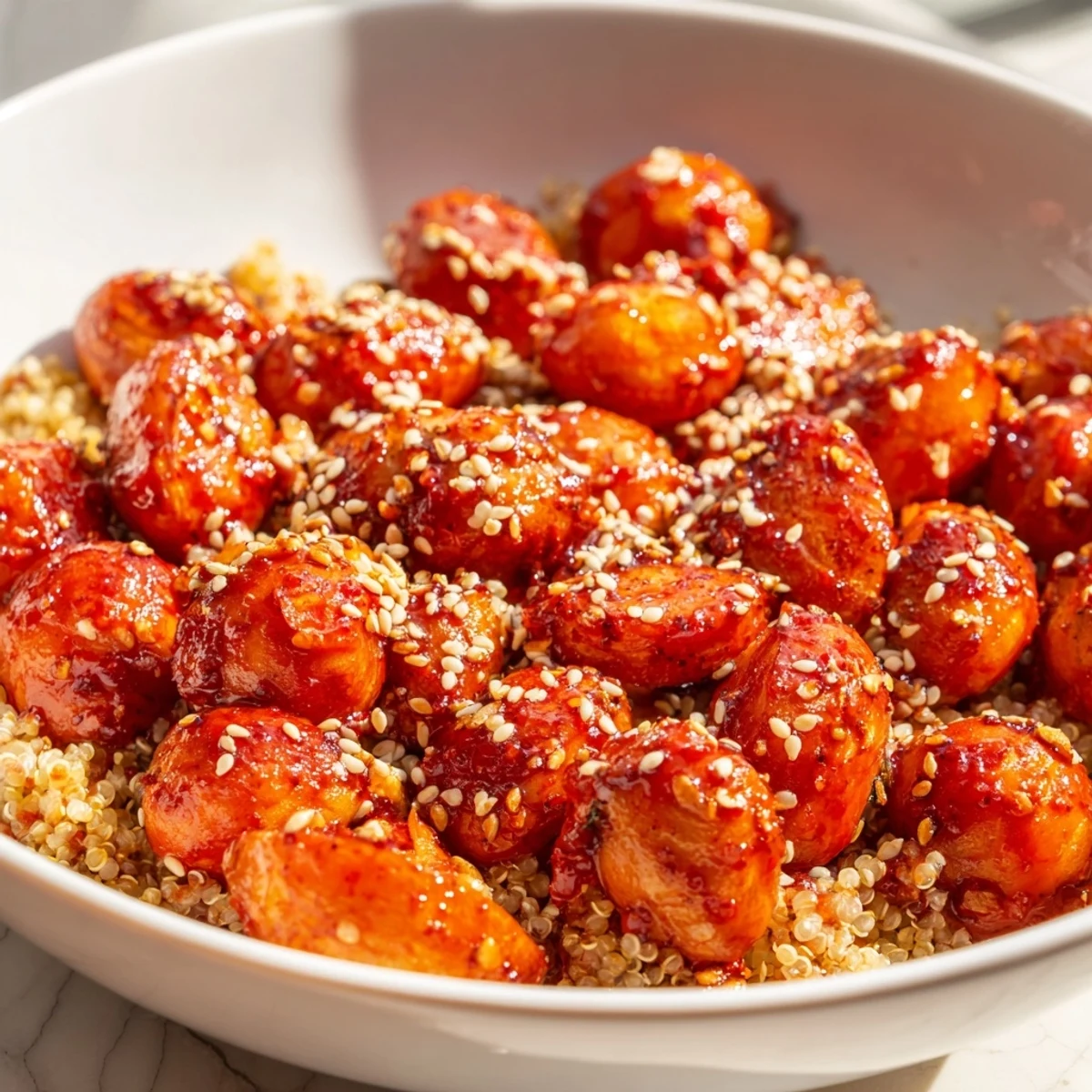
 This Korean-inspired bowl combines roasted baby potatoes and chickpeas, oven-crisped until golden, then glazed in a spicy-sweet gochujang sauce. The sauce blends Korean chili paste with soy sauce, sesame oil, rice vinegar, and maple syrup for that perfect balance of heat and umami. Served over fluffy quinoa and topped with sautéed red onions, sesame seeds, and fresh spring onions, it's a complete meal that's naturally vegan and gluten-free.
The roasted vegetables develop crispy edges while staying tender inside, and the gochujang coating creates a sticky, flavorful glaze that clings to every bite. Quinoa provides a protein-rich base that soaks up the savory sauce.
The first time I made gochujang anything, I accidentally used double the amount called for and spent the entire meal drinking milk straight from the carton. My roommate just laughed and said, "That's enthusiasm, not a mistake." Now I know exactly how much chili paste brings that perfect hum of heat without overwhelming everything else.
Last winter my sister came over completely exhausted from work and I whipped this up in under an hour. She took one bite, closed her eyes, and said, "I forgot food could taste like this." Now she requests it whenever life feels overwhelming.
Ingredients
- Baby potatoes (500 g): Halving them means more surface area for crispy edges and sauce absorption
- Chickpeas (1 can): Roasting transforms these creamy beans into golden crunchy bites
- Quinoa (200 g): Rinse thoroughly until water runs clear to remove bitter coating
- Gochujang (3 tbsp): Korean chili paste brings fermented depth beyond just heat
- Soy sauce (2 tbsp): Use tamari if you need this gluten-free
- Sesame oil (1 tbsp): Toasted sesame oil adds that unmistakable nutty aroma
- Rice vinegar (1 tbsp): Brightens and balances the rich chili paste
- Maple syrup (1 tbsp): Just enough sweetness to tame the heat
- Red onion (1 small): Sliced thin so it softens beautifully in the skillet
Instructions
- Roast the base:
- Toss halved potatoes and drained chickpeas with olive oil, salt, pepper, and minced garlic until everything glistens. Spread on a lined baking tray and roast at 220°C for 25-30 minutes, stirring halfway until edges turn golden and chickpeas are crunchy.
- Cook the quinoa:
- Rinse quinoa until water runs clear, then simmer with 2 cups water for 15 minutes until fluffy. Let it sit covered for 5 minutes off the heat—this step makes all the difference for texture.
- Whisk the sauce:
- Combine gochujang, soy sauce, sesame oil, rice vinegar, maple syrup, and water until completely smooth. The consistency should coat a spoon without running off too quickly.
- Bring it together:
- Sauté sliced red onion until softened, then add the roasted potatoes and chickpeas back in. Pour that gorgeous red sauce over everything and toss until coated and heated through.
- Finish with flourish:
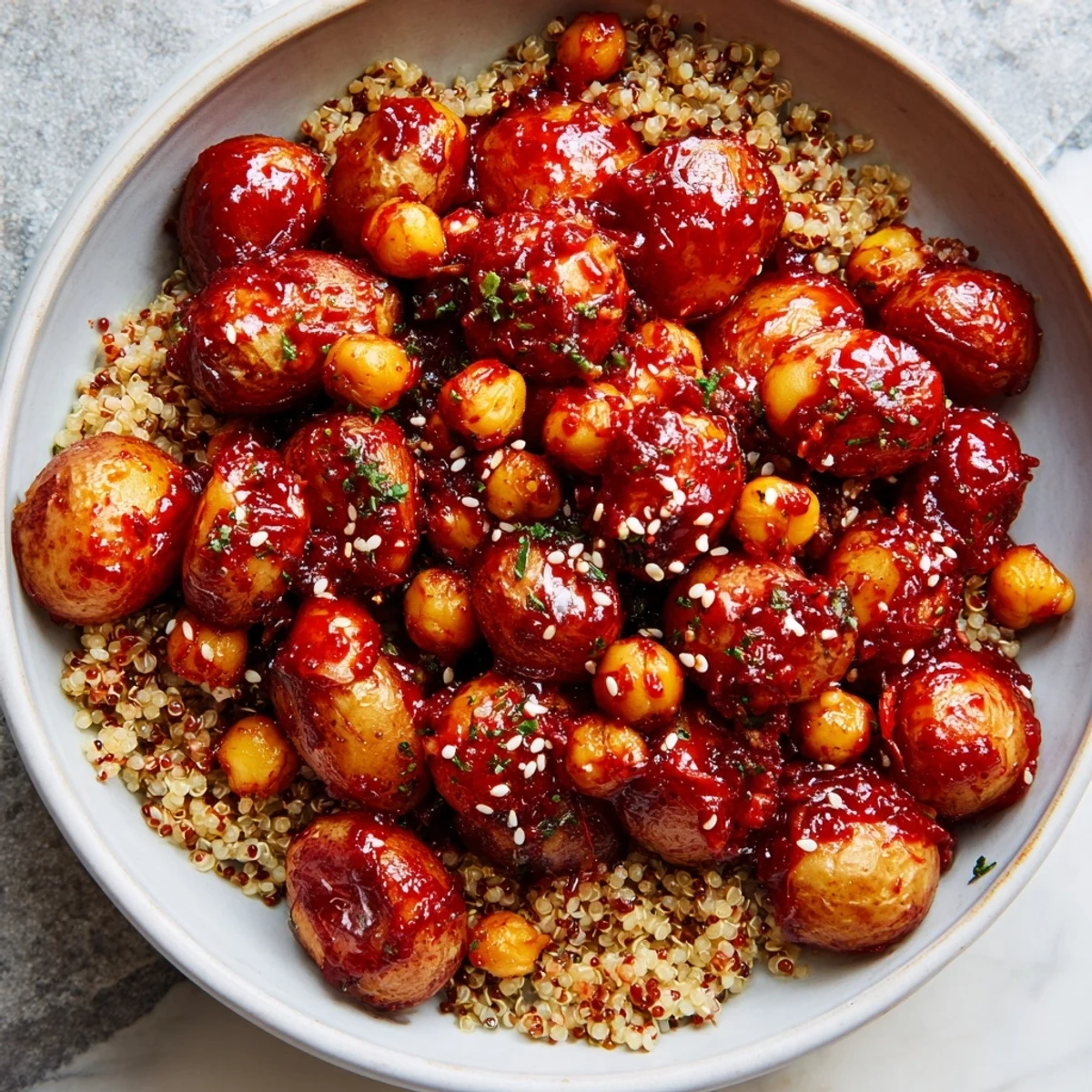
- Mound fluffy quinoa in bowls, spoon the spicy mixture over top, and scatter with sesame seeds and fresh spring onions. The contrast of colors alone will make you happy.
 Save to Pinterest
 This recipe became my go-to for potlucks after someone asked if I could "make something with a kick" and I've never looked back. Watching people's faces light up at that first spicy-sweet bite never gets old.
Getting That Perfect Crisp
The secret to restaurant-style roasted vegetables is patience. Don't stir too often—let the potatoes develop a deep crust on one side before flipping. That crunch against the soft interior is what makes this bowl sing.
Building a Better Bowl
I've learned to arrange quinoa as a base, press a slight well in the center, and spoon the sauced mixture into that depression. It keeps everything warmer longer and lets the flavors meld as you eat.
Make It Your Own
Sometimes I add steamed broccoli right at the end for color and nutrients. The sauce clings to the florets beautifully and suddenly this feels even more like a complete meal.
- Try roasted peanuts instead of sesame seeds for extra protein
- A drizzle of vegan mayo over the top adds creamy contrast
- Fresh cilantro works wonders if you are not a fan of spring onions
 Save to Pinterest
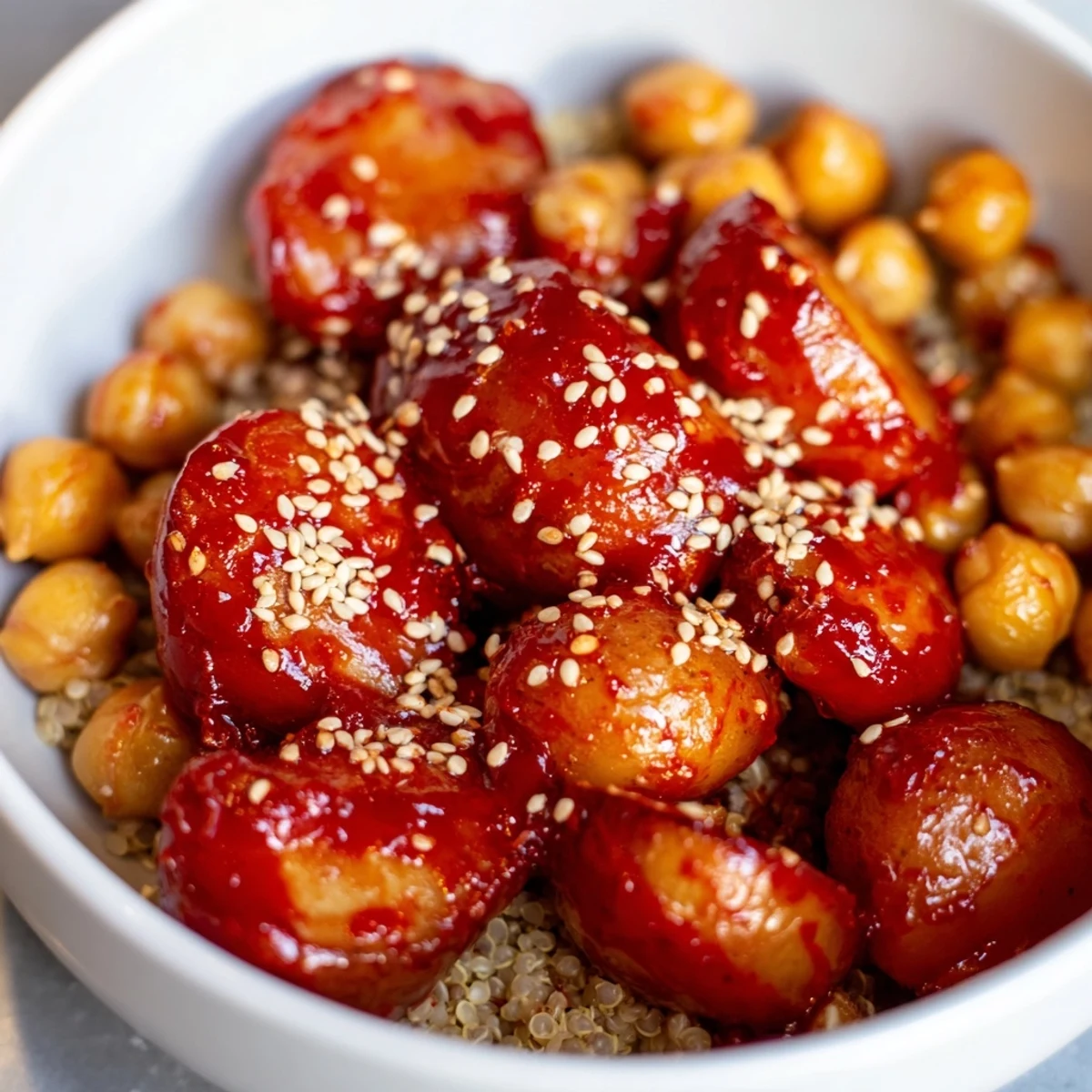
 There's something deeply satisfying about a bowl that looks this vibrant and tastes even better. Hope it becomes a staple in your kitchen like it has in mine.
Recipe FAQs
- → How spicy is this dish?
-
The spice level depends on your gochujang paste—typically medium heat. You can reduce the amount for milder flavor or add extra for more kick.
- → Can I make this ahead?
-
Yes! Roast the vegetables and cook quinoa up to 3 days ahead. Store separately and reheat with fresh sauce before serving.
- → What can I use instead of quinoa?
-
Brown rice, farro, or cauliflower rice work well. Adjust cooking time accordingly for your chosen grain.
- → Is gochujang gluten-free?
-
Traditional gochujang often contains wheat. Look for certified gluten-free versions or substitute with a gluten-free Korean chili paste.
- → How do I store leftovers?
-
Keep components separate in airtight containers in the refrigerator for up to 4 days. Reheat vegetables in the oven to maintain crispiness.
- → Can I add more vegetables?
-
Absolutely! Steamed broccoli, spinach, roasted bell peppers, or shredded carrots make excellent additions to the bowl.