
 Save to Pinterest
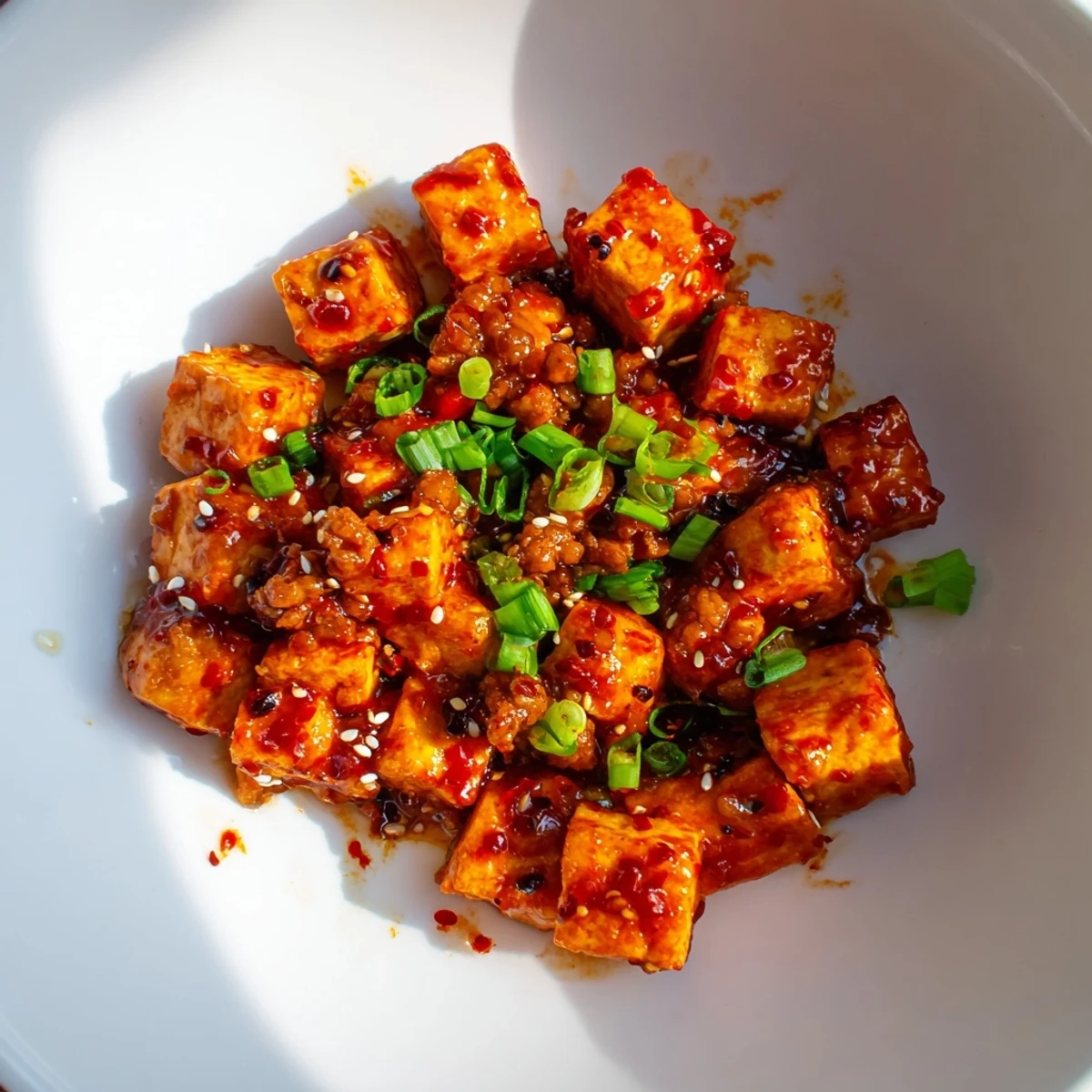
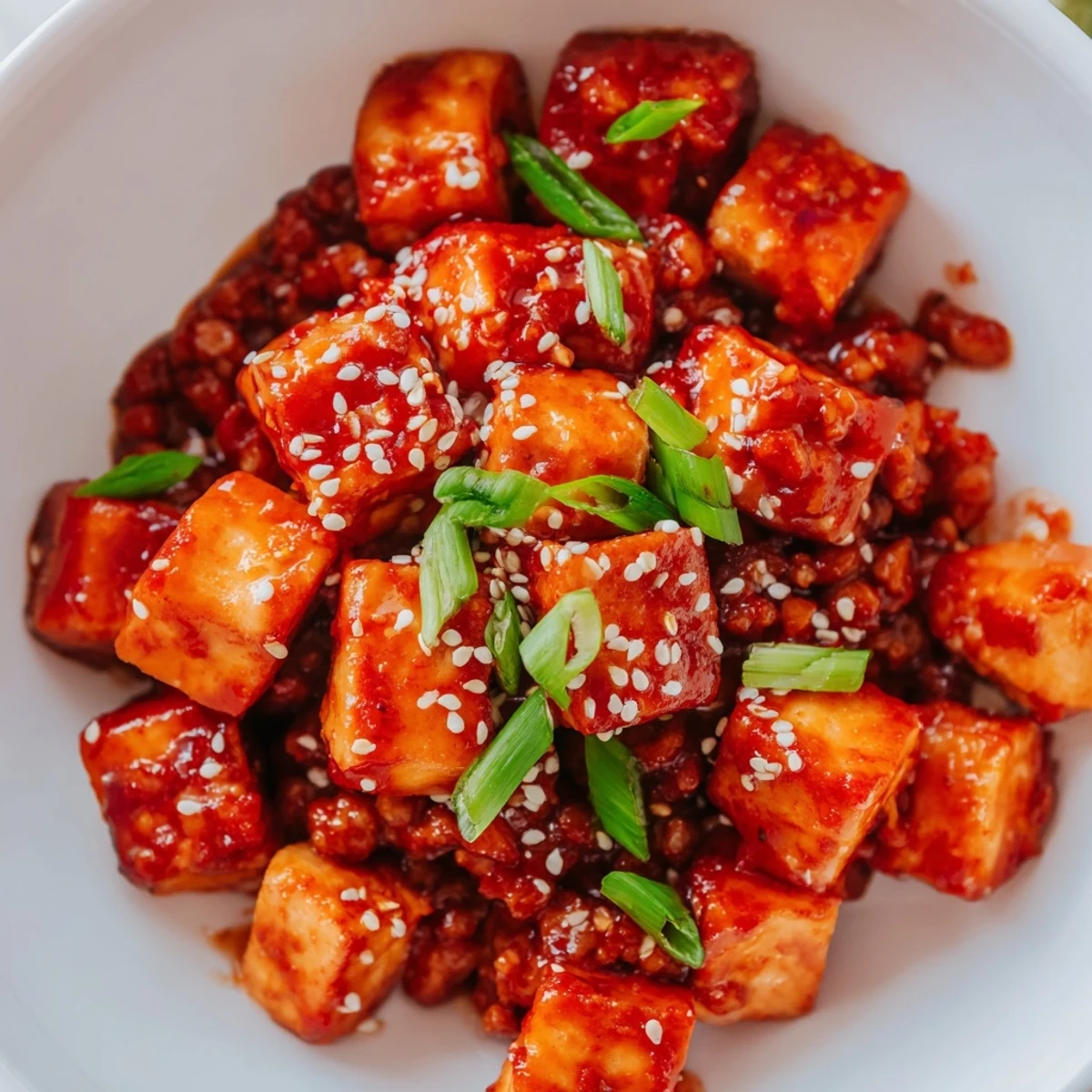
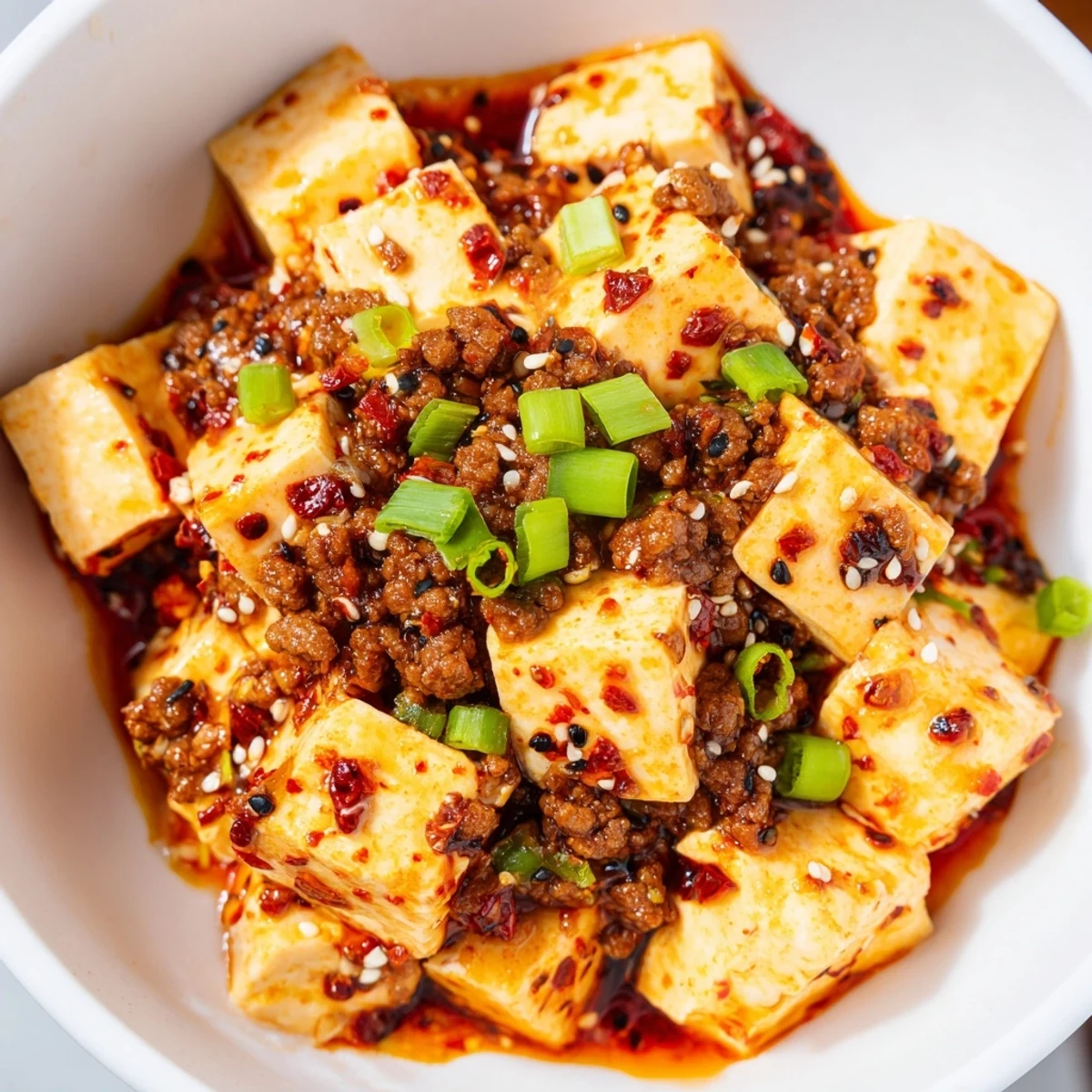
 This fusion dish brings together the numbing heat of Sichuan cuisine with the satisfying chew of Japanese udon noodles. Soft tofu cubes and ground pork simmer in a fragrant sauce made with fermented chili bean paste, aromatics, and a touch of Sichuan peppercorn. The result is a bowl of comfort food that's both spicy and deeply savory, perfect for cold nights or when you crave something with bold flavors.
The first time I combined mapo tofu with udon noodles was actually a happy accident. I had leftover sauce from a proper Sichuan feast and a package of fresh udon begging to be used, and honestly that unplanned dinner changed how I think about fusion cooking forever. The chewy noodles catch every drop of that numbing spicy sauce in a way rice never could.
Last winter my friend stayed over during a particularly brutal cold snap and I whipped this up using whatever I had in the fridge. We ended up eating it huddled on the couch with steaming bowls, and she texted me the next morning saying she had dreamed about those spicy noodles.
Ingredients
- Soft tofu (300 g): Silken or soft tofu works best here because it gently absorbs the sauce without falling apart during simmering
- Ground pork (200 g): The pork adds savory depth and texture, but plant-based mince works beautifully if you want to keep it vegetarian
- Fresh udon noodles (400 g): Fresh udon has that perfect chewy bounce that thick sauce loves to cling to
- Sichuan peppercorns (1 tbsp): These are non-negotiable for the authentic numbing sensation that makes mapo tofu so addictive
- Doubanjiang (2 tbsp): This fermented chili bean paste is the soul of the dish so find a good quality brand
- Cornstarch slurry: This thickens the sauce just enough so it coats every strand of udon perfectly
Instructions
- Prep your mise en place:
- Cube your tofu carefully, mince the garlic and ginger until fine, and separate your spring onion whites from greens before starting anything else
- Toast the peppercorns:
- Heat your oil in a wok over medium heat and add the Sichuan peppercorns, letting them toast until you can smell their citrusy fragrance filling the kitchen
- Build your aromatics:
- Add the garlic, ginger, and white parts of your spring onions, stirring constantly for about a minute until everything becomes wonderfully fragrant
- Brown your protein:
- Crank up the heat and add your ground pork, breaking it into small crumbles and cooking until it is nicely browned all over
- Wake up the doubanjiang:
- Stir in that gorgeous red chili paste and let it cook for a couple of minutes until the oil turns a vibrant red color
- Add your sauces:
- Pour in the soy sauce, oyster sauce, Shaoxing wine, and sugar, stirring everything together until the pork is evenly coated
- Simmer the tofu:
- Gently slide in those tender tofu cubes and pour in the broth, letting everything simmer for about five minutes while occasionally spooning sauce over the top
- Thicken the sauce:
- Stir in your cornstarch slurry and watch the sauce transform into a glossy coating that will hug every noodle
- Cook the noodles:
- While your sauce bubbles away, boil your udon according to the package directions, drain well, and divide them among four waiting bowls
- Bring it all together:
- Spoon that spicy mapo goodness generously over your noodles and finish with the green onions, sesame seeds, and a drizzle of chili oil
 Save to Pinterest
 This recipe has become my go-to when friends need comfort food with a kick. Something about the combination of chewy noodles and that numbing heat just makes people lean in and linger at the table longer.
Making It Vegetarian
Plant-based mince works surprisingly well in this dish because the bold spices completely transform it. Just make sure to use mushroom sauce instead of oyster sauce and vegetable broth instead of chicken.
Getting The Sauce Right
The sauce consistency is absolutely crucial here because it needs to be thick enough to cling to the udon but still flow freely. If it becomes too thick, splash in a bit more broth and if it is too thin, let it simmer longer or add another teaspoon of cornstarch mixed with water.
Serving Suggestions
This dish is incredibly satisfying on its own but a simple cucumber salad dressed with rice vinegar helps cut through the richness. A cold lager or light sake also balances the heat beautifully.
- Set out extra chili oil at the table so everyone can adjust their own heat level
- Have plenty of napkins ready because eating saucy noodles can get gloriously messy
- Cook the udon just before serving because they tend to clump if they sit too long
 Save to Pinterest
 I hope this fusion comfort dish finds its way into your regular rotation. There is something magical about how these two culinary traditions come together in one bowl.
Recipe FAQs
- → Can I make this dish vegetarian?
-
Absolutely. Substitute ground pork with plant-based mince and replace oyster sauce with mushroom sauce. The flavors remain just as robust and satisfying.
- → How spicy is mapo tofu udon?
-
The spice level is medium-high from doubanjiang and optional Sichuan peppercorns. You can adjust the heat by reducing the fermented bean paste or omitting chili oil garnish.
- → What's the best way to prevent tofu from breaking?
-
Use soft tofu and handle gently when adding to the sauce. Simmer on medium-low heat and avoid stirring vigorously. Use a spoon to baste sauce over tofu cubes instead.
- → Can I prepare components ahead of time?
-
You can prep ingredients up to 6 hours ahead. Cube tofu, mince aromatics, and mix sauces in advance. Cook everything just before serving for the best texture and flavor.
- → What other noodles work well with this dish?
-
Thick wheat noodles like ramen or soba make great alternatives. For gluten-free options, use wide rice noodles or sweet potato noodles. The key is a noodle that holds up well to the thick sauce.