
 Save to Pinterest
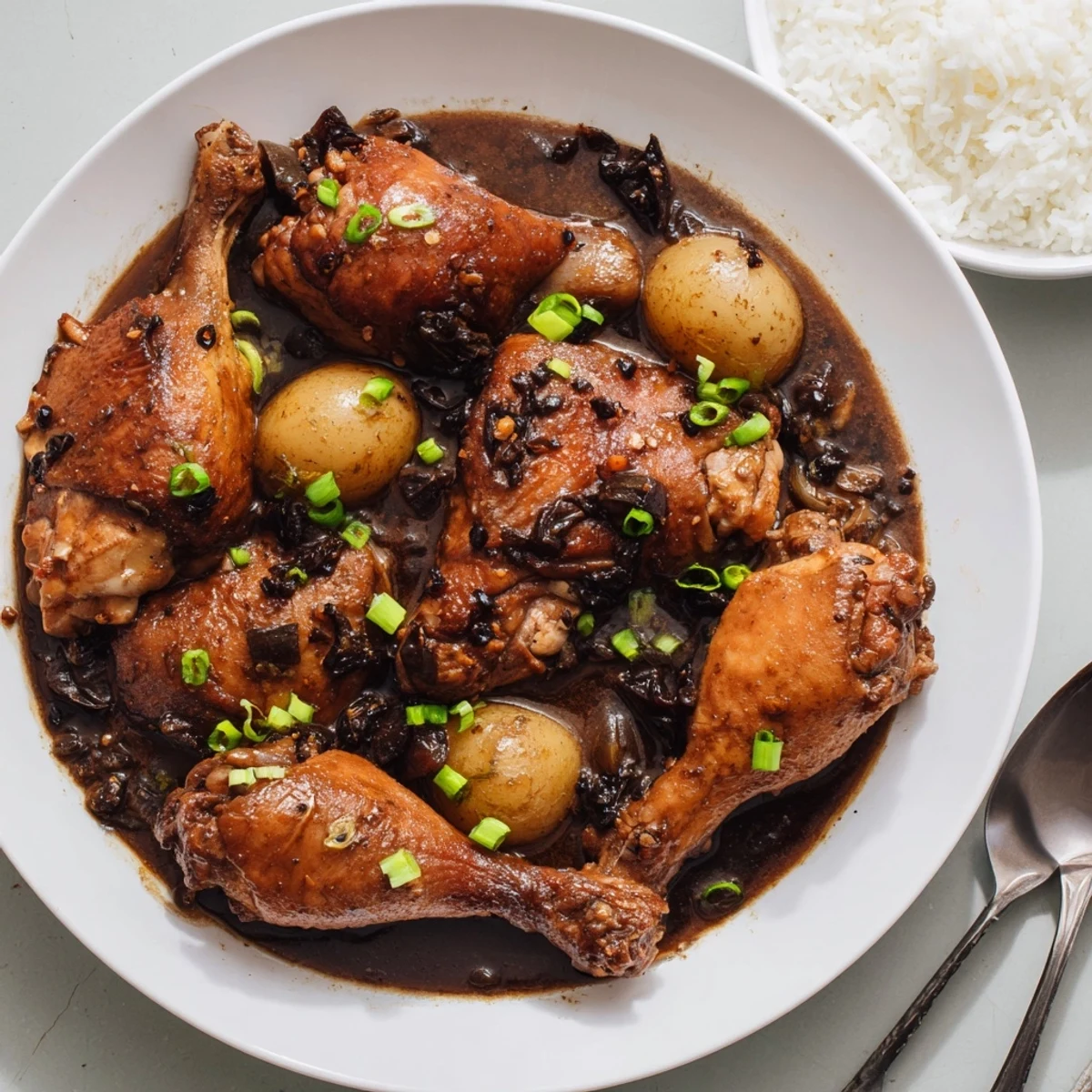
 This Filipino classic transforms chicken through slow braising in a balanced mixture of soy sauce, vinegar, garlic, bay leaves, and peppercorns. The result is incredibly tender meat with a rich, tangy-savory glaze that clings to every bite. After marinating for deeper flavor, the chicken gets lightly seared then simmered until falling-apart tender, with the sauce reducing into a thick, glossy coating. Serve over fluffy jasmine rice to soak up every drop of the aromatic sauce.
The first time I walked into my friend Lolas kitchen, the smell of vinegar and garlic hit me like a warm embrace. She was stirring a pot of chicken adobo, the sauce bubbling away with that distinctive dark, glossy sheen. That afternoon changed how I understood comfort food. Now whenever I make this dish, I think about how something so simple can taste so complex.
Last winter, my roommate came home exhausted from a twelve hour shift. The adobo was simmering on the stove, and she literally stopped in her tracks at the door. We ate standing up in the kitchen, spooning sauce over rice straight from the pot. Sometimes the best meals are the ones that just happen when you need them most.
Ingredients
- 1.2 kg bone-in chicken thighs and drumsticks: Bone-in pieces keep the meat tender and juicy during braising, plus they add extra flavor to the sauce
- 1/2 cup soy sauce: This provides the salty base and deep umami notes that define adobo
- 1/2 cup cane vinegar: The acidity cuts through the richness and tenderizes the meat, white vinegar works too
- 6 cloves garlic, crushed: More garlic than you might think, but it mellows beautifully into the sauce
- 2 bay leaves: These add a subtle earthy fragrance thats essential to the classic flavor
- 1 tsp whole black peppercorns: Freshly cracked pepper adds gentle heat and aromatic depth
- 1 tbsp brown sugar: Just enough to round out the sharp edges and balance the vinegar
- 2 tbsp vegetable oil: For getting that nice golden brown color on the chicken
- 1 medium onion, sliced: Optional but adds sweetness and depth to the sauce
- 2 medium potatoes, quartered: They soak up all that flavorful sauce like little sponges
Instructions
- Mix your marinade:
- In a large bowl, combine chicken, soy sauce, vinegar, garlic, bay leaves, peppercorns, and brown sugar until every piece is coated
- Let it rest:
- Marinate for at least 30 minutes, though overnight in the refrigerator will give you the deepest flavor penetration
- Get the chicken ready:
- Remove chicken from the marinade and pat dry with paper towels, saving every drop of that liquid gold
- Sear for flavor:
- Heat oil in a large skillet over medium high heat, add chicken skin side down, and brown for 2 to 3 minutes per side
- Build the base:
- Toss in sliced onions if using and cook for 2 minutes until they start to soften
- Bring it together:
- Pour in the reserved marinade, water, and potatoes, then bring everything to a gentle simmer
- Let it braise:
- Cover, reduce heat to low, and cook for 25 to 30 minutes until the chicken is falling off the bone tender
- Concentrate the sauce:
- Uncover and simmer for another 10 to 15 minutes until the sauce reduces to that perfect consistency
- Finish and serve:
- Discard the bay leaves, taste and adjust seasoning, then serve over steamed rice with scallions or fried garlic
 Save to Pinterest
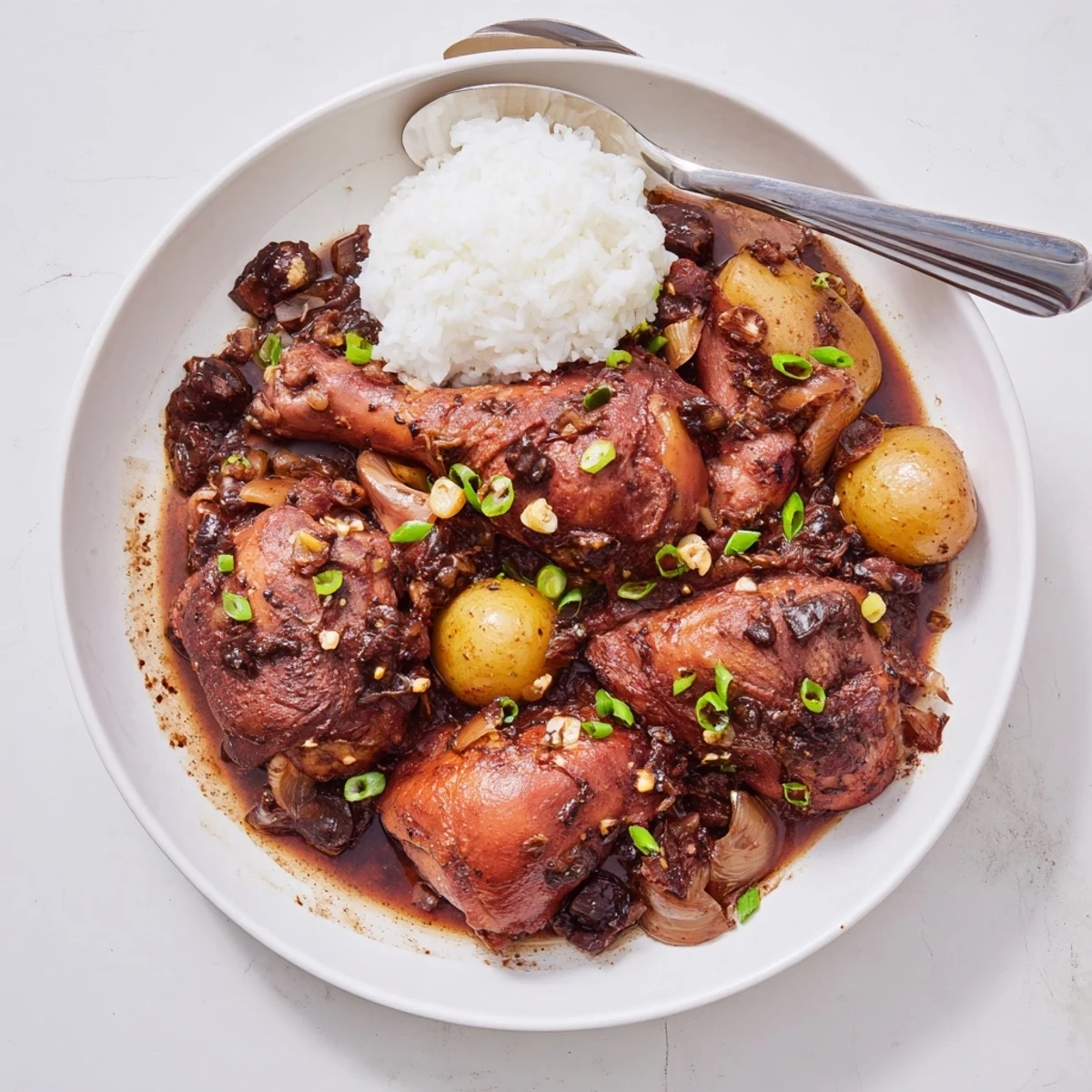
 My dad claims he can tell if someone truly understands Filipino cooking by how their adobo sauce looks. It should be dark, glossy, and thick enough to coat a spoon. The first time I got it right, he just nodded and went back for seconds. That silent approval meant everything.
Making It Your Own
Adobo is incredibly adaptable once you understand the basic ratio of vinegar to soy sauce. My grandmother always added a splash of coconut milk at the end for creaminess, something I now do for dinner parties. The sauce becomes velvety and rich, perfect for soaking into warm rice.
Perfect Pairings
Nothing beats steamed jasmine rice with adobo, but Ive also served it over garlic fried rice for breakfast. Fresh tomatoes and cucumbers on the side help cut through the richness. A cold beer or iced tea with calamansi balances the tangy sauce beautifully.
Storage & Make-Ahead Tips
This is one of those rare dishes that genuinely improves overnight. The vinegar continues to break down the proteins, making the chicken even more tender. Store leftovers in the refrigerator for up to five days, and dont worry if the fat separates and rises to the top.
- Reheat gently with a splash of water to loosen the sauce
- Freeze portions for up to three months in airtight containers
- The fat layer on top actually protects the meat in the freezer
 Save to Pinterest
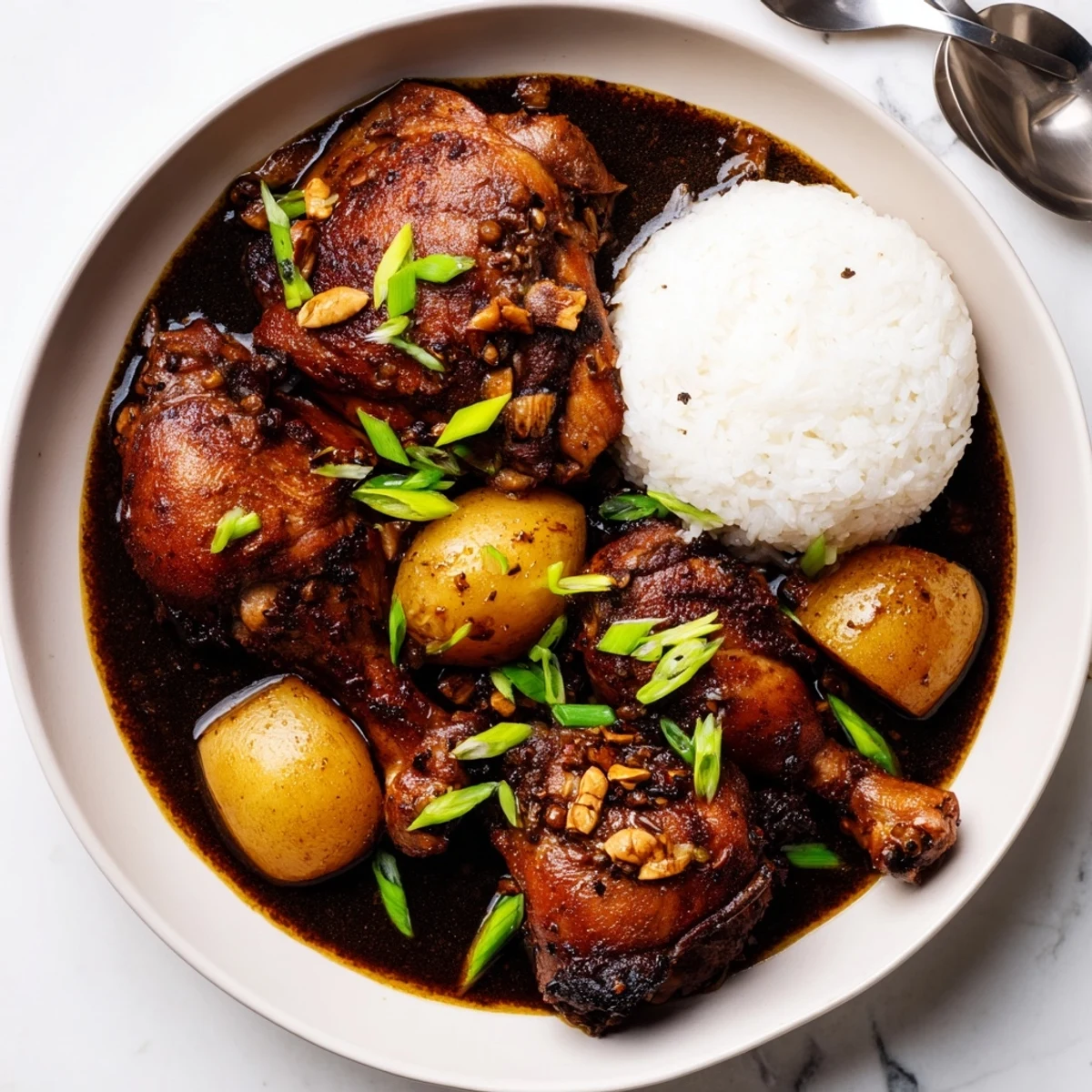
 Theres something deeply satisfying about a dish that can be both everyday comfort food and special enough for guests. Once you master this recipe, it will become one of those reliable favorites you return to again and again.
Recipe FAQs
- → What makes adobo unique?
-
The signature combination of soy sauce and vinegar creates a perfect balance of salty and tangy flavors, while garlic and bay leaves add aromatic depth. This cooking method actually preserves meat naturally.
- → How long should I marinate the chicken?
-
Marinate for at least 30 minutes for basic flavor, but overnight marinating in the refrigerator produces the most tender and flavorful results. The vinegar helps break down the fibers.
- → Can I use other meats besides chicken?
-
Absolutely. Pork is traditional, or use a mix of pork and chicken. The braising method works beautifully with any cut of meat that benefits from slow, moist cooking.
- → What type of vinegar works best?
-
Cane vinegar is traditional, but white vinegar or apple cider vinegar work well too. Each vinegar gives a slightly different acidity level, so adjust to your taste preference.
- → How do I get the sauce thick and glossy?
-
Uncover the pot during the last 10-15 minutes of cooking to let the liquid evaporate and reduce. The sauce will naturally thicken and coat the chicken beautifully.
- → Why does adobo taste better the next day?
-
The flavors continue to develop as the meat rests in the sauce. The vinegar and soy sauce penetrate deeper into the chicken, creating even more complex taste over time.