
 Save to Pinterest
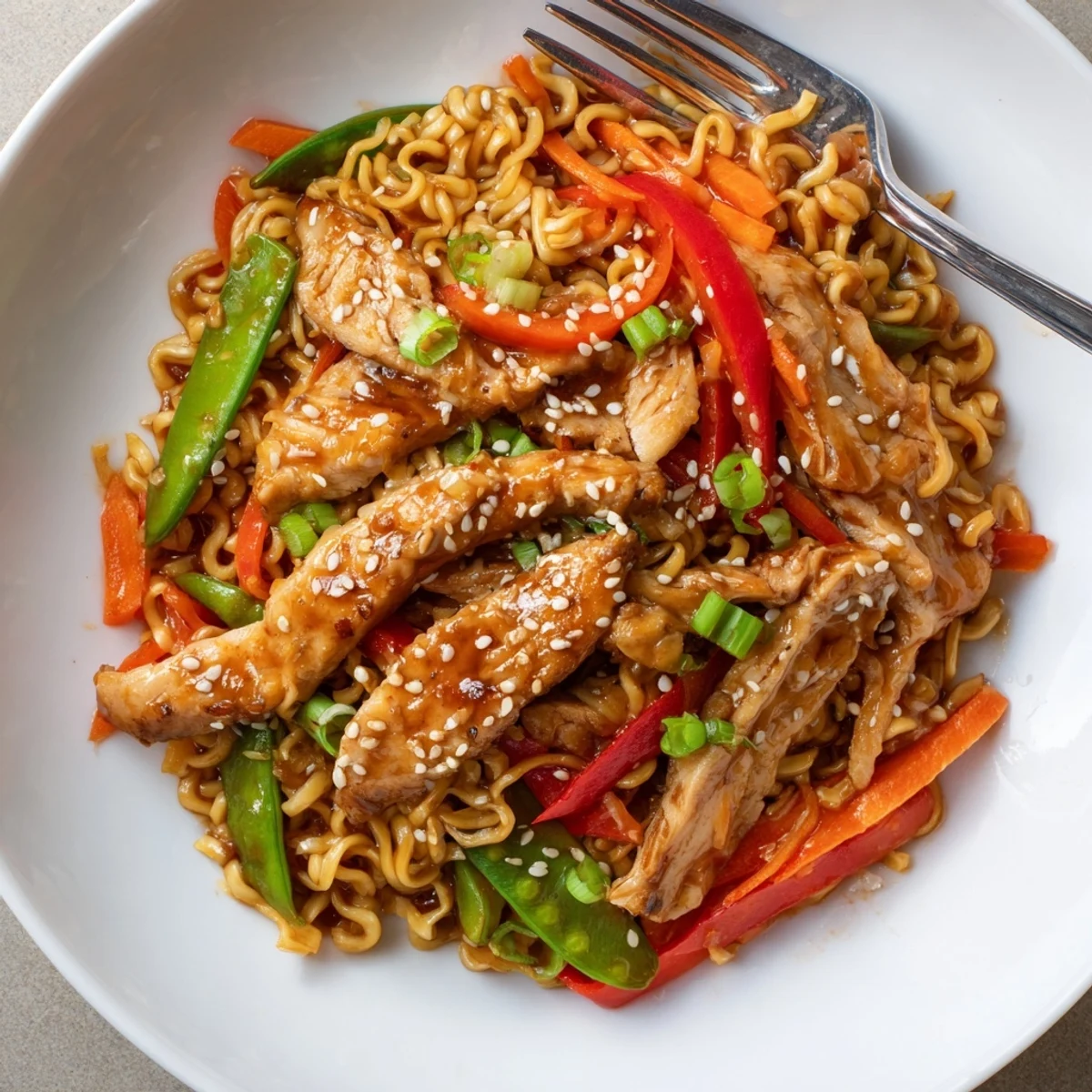
 Ready in 30 minutes: thinly sliced chicken sears quickly, while ramen cooks separately to avoid clumping. Stir-fry garlic, ginger and colorful vegetables until crisp-tender, then return the chicken and add noodles with a soy-oyster-hoisin sauce thickened with a little cornstarch. Toss until glossy, garnish with sesame seeds and green onions. Swap proteins or veg, and add chili for heat.
The smell of sesame oil hitting a screaming hot wok on a Tuesday night is enough to make anyone forget they had a long day at work. This chicken ramen stir fry came together one evening when my fridge was nearly empty and my motivation was even lower. I spotted two lonely packs of instant ramen sitting in the pantry and decided they deserved better than boiling water and a foil seasoning packet. Thirty minutes later I was slurping noodles coated in a sticky savory sauce wondering why I ever ordered takeout.
My roommate walked in just as I was tossing the noodles in the wok and stood there watching the sauce bubble and thicken around the chicken and vegetables. She grabbed chopsticks before I even plated anything, sampling straight from the pan with zero shame. We ended up eating standing at the kitchen counter because neither of us wanted to wait long enough to sit down at a table.
Ingredients
- Boneless skinless chicken breasts (about 350 g, thinly sliced): Slice the chicken against the grain and slightly freeze it first for paper thin cuts that cook fast and stay tender.
- Instant ramen noodles (2 packs, about 180 g): Toss those seasoning packets, you are building something far better from scratch.
- Red bell pepper: Adds a sweet crunch and bright color that makes the whole dish look vibrant.
- Snap peas (1 cup, trimmed): These bring a satisfying snap and freshness that balances the rich sauce.
- Carrots (2 medium, julienned): Thin matchsticks cook quickly and blend right into the tangle of noodles.
- Green onions (2, sliced): Save some for garnish because the raw bite on top makes everything pop.
- Garlic (2 cloves, minced) and fresh ginger (1 tbsp, grated): This duo is the aromatic backbone of the entire dish so do not skimp here.
- Low sodium soy sauce (1/4 cup): Using low sodium lets you control the salt level without losing that deep umami character.
- Oyster sauce (2 tbsp): This is the secret weapon that gives the sauce its glossy richness and body.
- Hoisin sauce (1 tbsp): A touch of sweetness and complexity that rounds everything out beautifully.
- Honey or brown sugar (1 tbsp): Helps the sauce caramelize slightly when it hits the hot wok.
- Sesame oil (2 tsp): Just a small amount adds an incredible nutty aroma that makes this taste restaurant quality.
- Chicken broth or water (1/4 cup) and cornstarch (1/2 tsp): Together they create a silky sauce that coats rather than pools at the bottom.
- Toasted sesame seeds and extra green onions: The finishing touch that makes it look as good as it tastes.
Instructions
- Prepare the Noodles:
- Cook the ramen according to the package directions but skip the seasoning packets entirely, then drain well and set them aside so they are ready to grab when things move fast.
- Build the Sauce:
- Whisk together the soy sauce, oyster sauce, hoisin, honey, sesame oil, broth, and cornstarch in a small bowl until the cornstarch disappears completely with no lumps hiding at the bottom.
- Sear the Chicken:
- Get your wok or skillet ripping hot over medium high heat with a splash of oil, then lay the chicken slices in a single layer and let them sit undisturbed for a minute so they actually brown before you start stirring.
- Toss the Vegetables:
- In the same pan with all those flavorful chicken bits still stuck to the bottom, add the garlic, ginger, bell pepper, snap peas, and carrots, stir frying until they are just tender but still have real bite left in them.
- Bring It All Together:
- Slide the chicken back in, add the drained noodles, pour the sauce over everything, and toss vigorously for two to three minutes until every noodle is coated and the sauce has thickened into a glossy glaze.
- Finish and Serve:
- Kill the heat, shower the whole thing with sesame seeds and sliced green onions, and get it to the table immediately while the noodles are still hot and slippery.
 Save to Pinterest
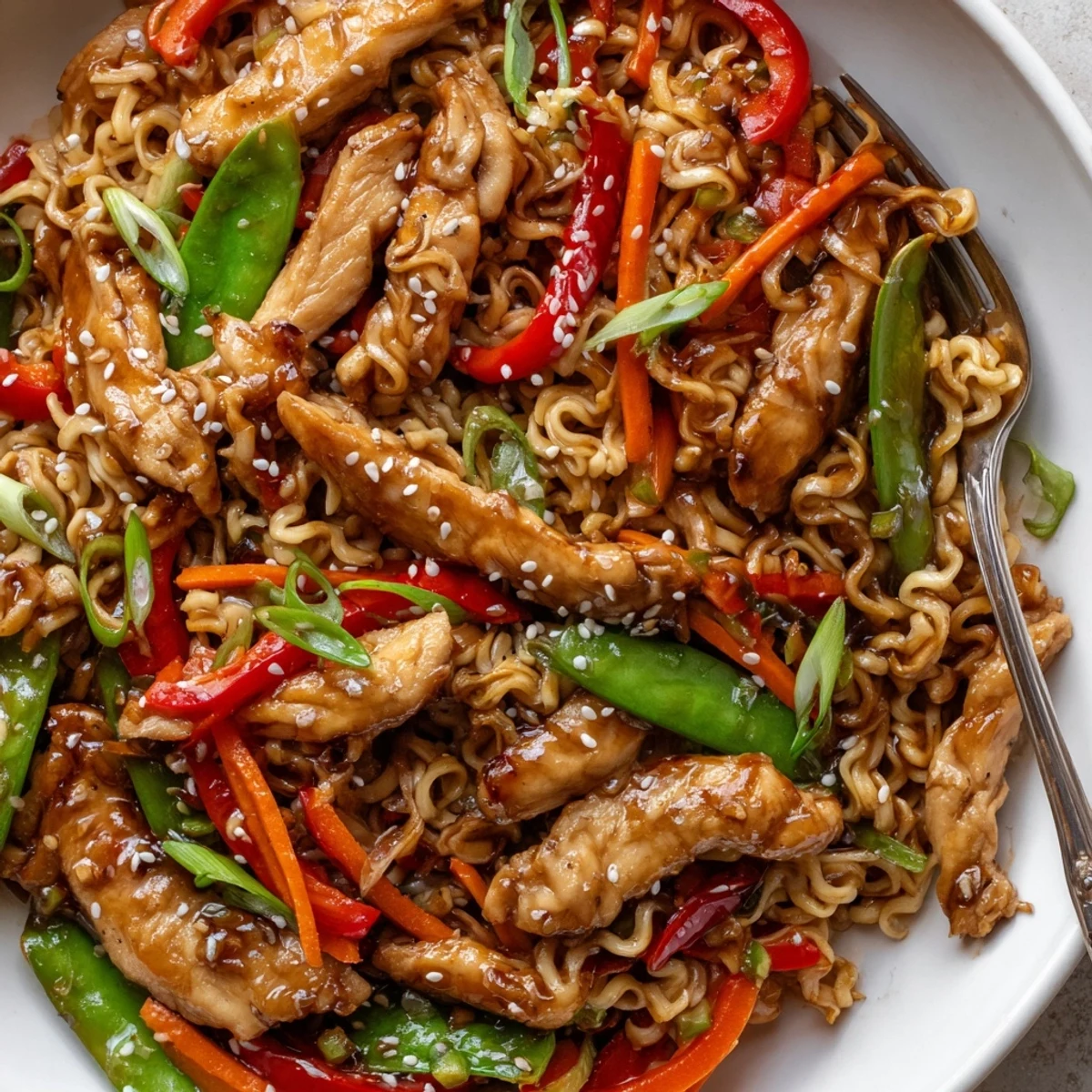
 This dish became my go to when a friend would text that they were stopping by in half an hour. It looks impressive enough for guests but honestly requires almost zero culinary gymnastics.
Customizing Your Stir Fry
The beauty of this recipe is how forgiving it is when you want to swap things around based on what is lingering in your crisper drawer. Broccoli florets, sliced mushrooms, baby corn, or even shredded cabbage all work beautifully in place of or alongside the vegetables listed here.
Swapping the Protein
Thinly sliced beef, large shrimp, or cubed extra firm tofu can replace the chicken with almost no changes to the method. If using tofu, press it dry and fry it separately until golden on each side before adding it back at the end so it does not fall apart.
Storage and Leftovers
This stir fry is best eaten immediately but leftovers will keep in an airtight container in the fridge for up to three days. Reheat in a skillet with a splash of water or broth to loosen the noodles back up.
- Avoid the microwave if possible because it turns the vegetables soggy and sad.
- A drizzle of sriracha or a pinch of chili flakes over leftovers gives them a completely new life.
- Always garnish fresh after reheating because the sesame seeds and green onions lose their punch overnight.
 Save to Pinterest
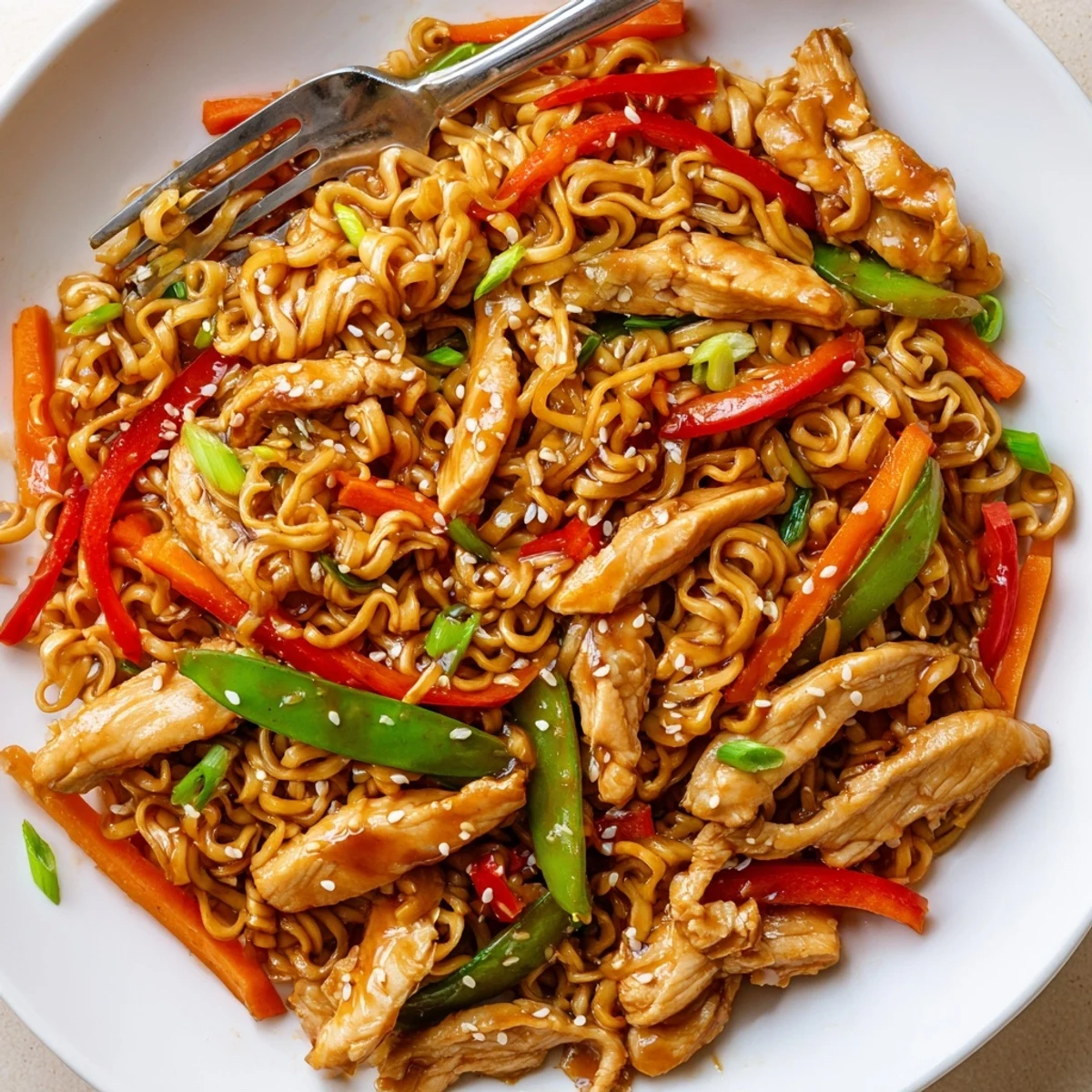
 Keep a wok or large skillet within reach and a pack of ramen in the pantry, and you will always be twenty minutes away from something genuinely delicious. That is the kind of dinner math I can get behind any night of the week.
Recipe FAQs
- → How do I keep the noodles from getting soggy?
-
Cook noodles just to al dente and drain well. Rinse briefly under cold water to stop cooking and toss with a teaspoon of oil to prevent sticking. Add them to the wok at the end so they only finish cooking in the sauce.
- → Can I swap the chicken for another protein?
-
Yes. Tofu, shrimp, or thinly sliced beef work well—adjust cook time: tofu needs browning, shrimp cooks quickly, and beef should be seared on high for a short time to remain tender.
- → What’s the best way to thicken the sauce?
-
Make a cornstarch slurry by mixing the cornstarch with cold broth or water before adding to the pan. Add toward the end and simmer briefly until the sauce becomes glossy and coats the noodles.
- → Which vegetables hold up best in the stir-fry?
-
Bell peppers, snap peas, carrots, broccoli and mushrooms keep good texture. Cut pieces uniformly and stir-fry on high heat so they stay crisp-tender rather than becoming soft.
- → How can I increase the heat level?
-
Add crushed red pepper flakes, a splash of sriracha, or thinly sliced fresh chilies to the sauce. Start with a small amount and taste as you go to control spice.
- → What’s the best way to store and reheat leftovers?
-
Refrigerate in an airtight container for up to 3 days. Reheat in a skillet over medium heat with a splash of broth or water to loosen the sauce and revive the texture; avoid microwaving too long to prevent soggy noodles.