
 Save to Pinterest
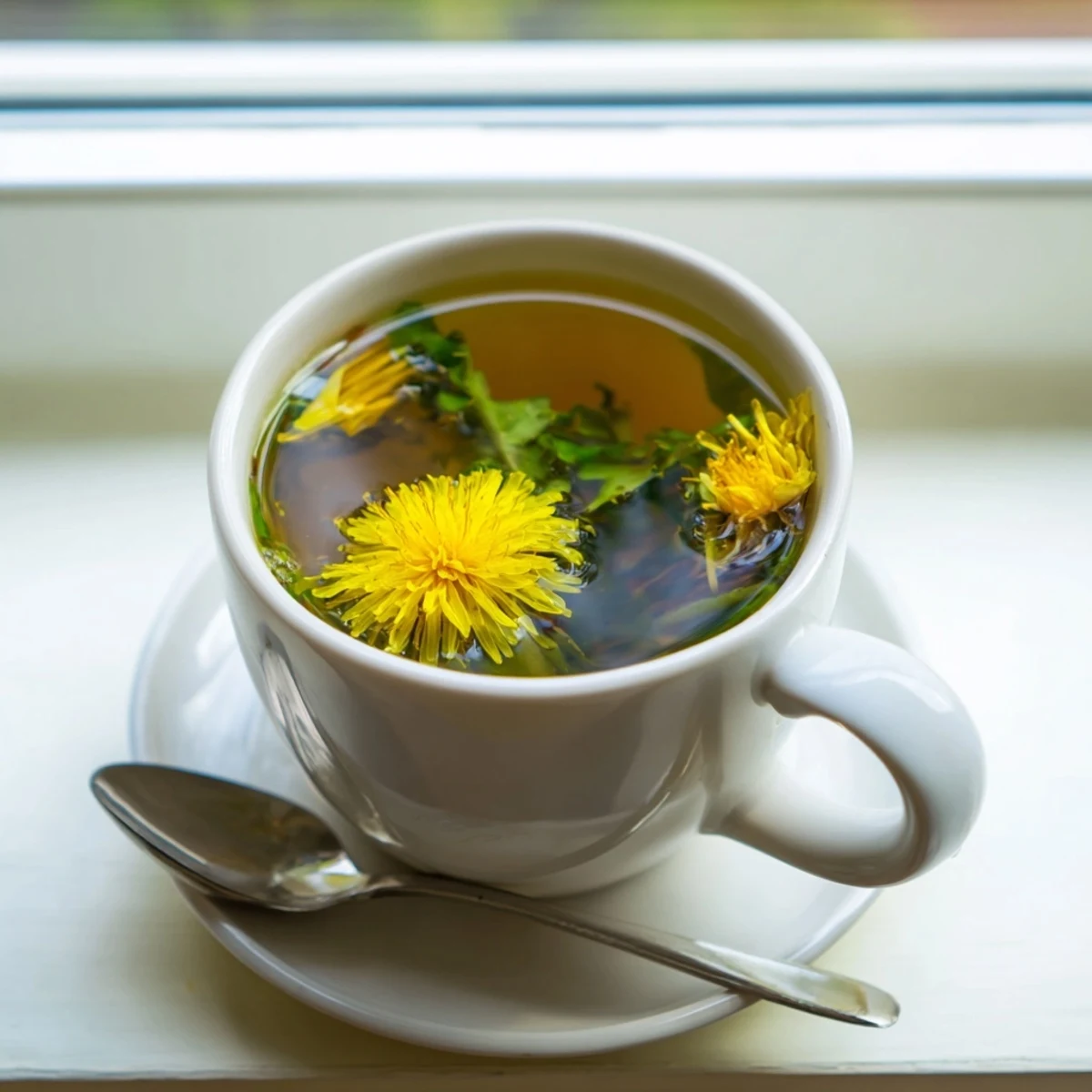
 This traditional herbal infusion combines freshly harvested dandelion petals and tender leaves with hot filtered water, creating a light and earthy beverage. The steeping process extracts beneficial compounds known for supporting digestive health and natural detoxification. You can customize the flavor with honey for sweetness or fresh lemon for brightness. Foraging your own dandelions ensures the freshest ingredients, though dried versions work wonderfully year-round.
Last spring, while walking through my neighborhood park, I noticed children blowing dandelion seeds into the wind and wondered why we spend so much effort trying to eradicate these sunny little weeds. My grandmother used to harvest them from her yard, something I found slightly embarrassing as a teenager but now see as pure wisdom. After researching their benefits, I spent a Sunday afternoon gathering bright yellow heads from a chemical-free corner of my garden, feeling like I was reclaiming a lost tradition. That first cup of earthy, slightly bitter tea changed everything about how I view these persistent plants.
I made this tea for my skeptical roommate who thought I had finally lost my mind, foraging in our front yard. She took one sip, raised her eyebrows, and asked if I could make enough for both of us the next morning. Now we keep small jars of dried petals on our counter, and harvesting dandelions has become our weird little ritual that somehow makes us feel more connected to the seasons.
Ingredients
- Fresh dandelion petals and/or leaves: The flowers bring a sweeter, honey-like floral quality while the greens contribute a pleasant earthy bitterness. Mix them based on your mood.
- Filtered water: Since dandelion has such a delicate flavor, clean water lets those subtle notes shine through without any metallic or chemical aftertaste.
- Honey or maple syrup: A tiny amount balances the natural bitterness if that is not your thing, though many people grow to appreciate the straight flavor.
- Lemon slice: Just a squeeze transforms the entire cup, brightening all those earthy undertones and making something truly refreshing.
Instructions
- Rinse and prepare the flowers:
- Give those fresh petals and leaves a thorough wash under cold running water, gently swishing them around to dislodge any dirt or tiny hitchhikers. Pat them dry with a clean towel if you are particular about water diluting your brew.
- Heat your water:
- Bring the filtered water to a rolling boil, then let it sit for about thirty seconds so you are not scalding delicate plant matter.
- Combine and steep:
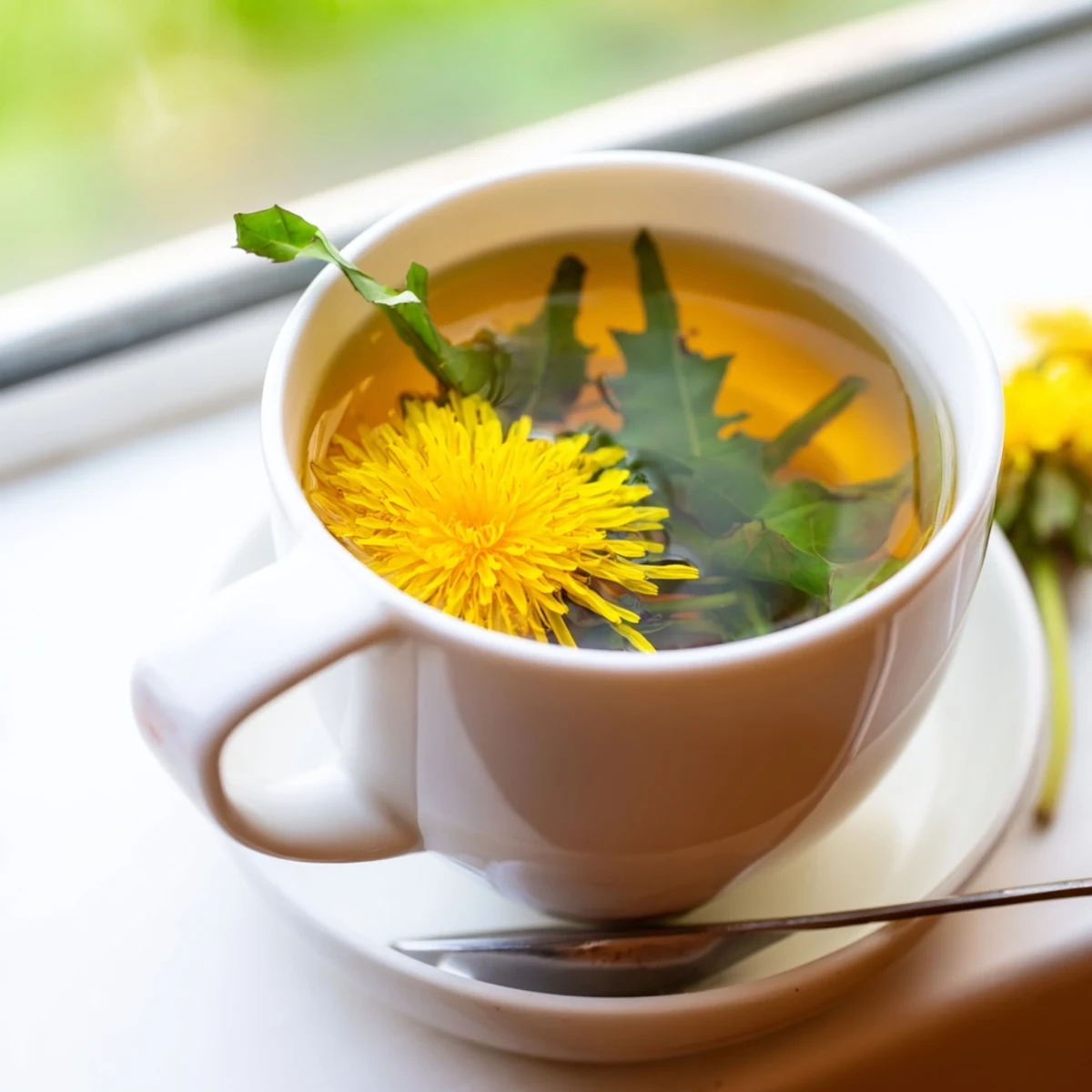
- Place your prepared dandelion parts in a teapot or heatproof vessel, pour the hot water over them, and cover immediately to trap those aromatic compounds. Let it work its magic for 8 to 10 minutes, longer if you prefer a more pronounced bitterness.
- Strain and customize:
- Pour the liquid through a fine mesh strainer into your favorite mug, leaving behind the spent petals and greens. Add honey or lemon now if you are using them, giving everything a quick stir.
 Save to Pinterest
 There is something deeply satisfying about sipping a beverage that cost absolutely nothing but a bit of time and attention. My grandmother would have loved that this humble weed has found its way back into my kitchen, proving that the most nourishing things are often right under our noses.
Harvesting Wisdom
The best time to pick dandelions is mid-morning after the dew has dried but before the sun gets too intense, which is when the flowers are fully open and the bitter compounds are at their most manageable. Choose flowers with bright, vibrant yellow petals and avoid any that look wilted or brown. I have learned that picking from different areas of the yard creates interesting flavor variations, almost like terroir in wine.
Drying For Later
Spread cleaned petals and leaves in a single layer on a clean towel or drying rack, turning them daily until completely crisp. Store your dried treasure in glass jars away from light, and you will have sunny tea waiting for you even in the depths of winter. The flavor changes slightly when dried, becoming more concentrated and intensely floral.
Serving Suggestions
This tea shines alongside a slice of sourdough toast with salted butter or as a gentle finish to a rich meal. I have also poured cooled dandelion tea over ice with fresh mint on hot afternoons when coffee feels too heavy. The flavor profile works beautifully with shortbread cookies or almond biscotti for an understated afternoon treat.
- Try adding a few fresh mint leaves during steeping for a refreshing twist
- A pinch of dried ginger creates a warming version perfect for cold months
- The strained petals make a beautiful garnish if you are feeling fancy
 Save to Pinterest
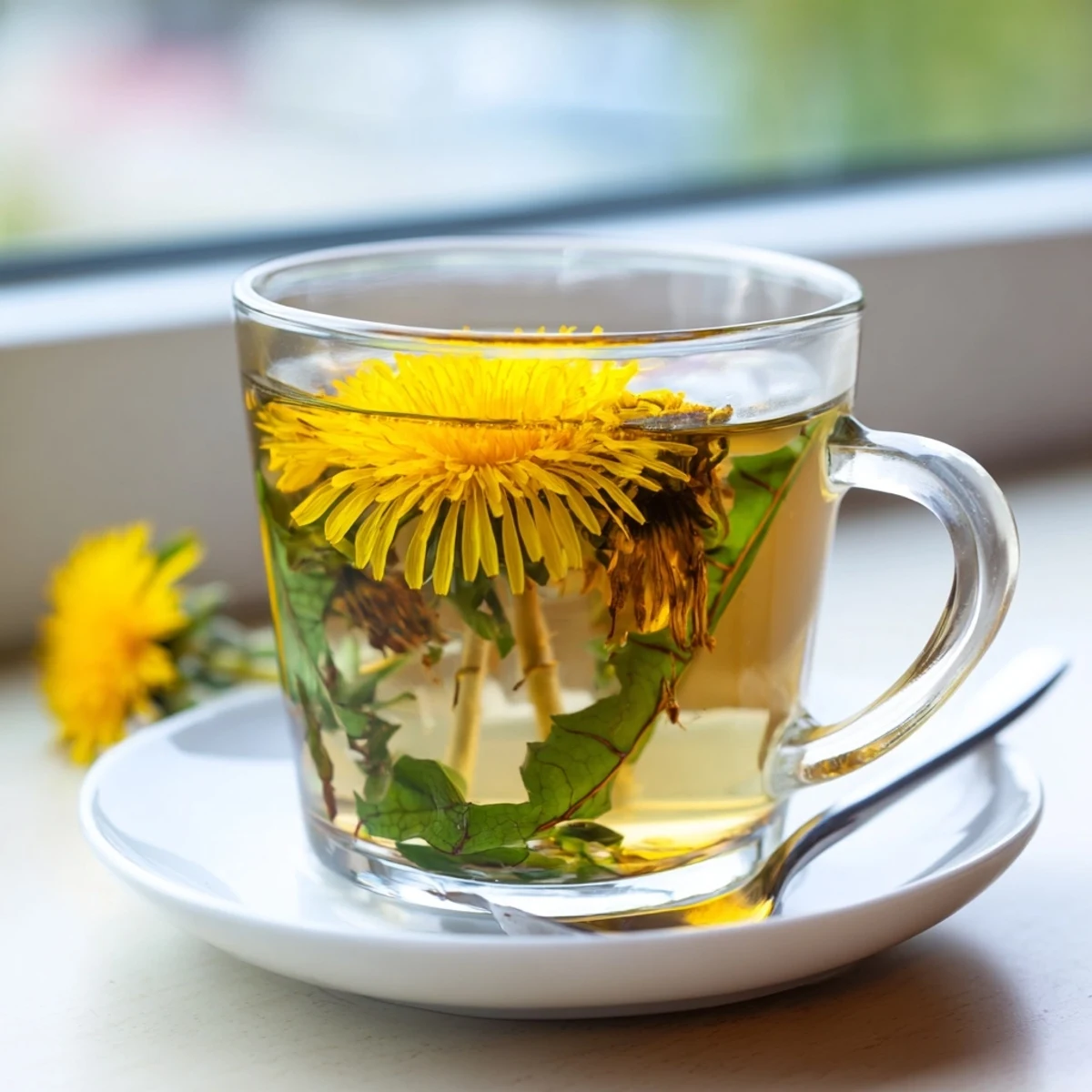
 Every cup of dandelion tea feels like a small act of rebellion against a world that wants us to buy everything in packages. Here is to finding abundance in what we already have.
Recipe FAQs
- → What does dandelion tea taste like?
-
Dandelion tea has a light, earthy flavor profile with subtle vegetal notes. The petals add a delicate sweetness while the leaves contribute a mild bitterness similar to arugula or young spinach.
- → Can I use dandelion roots instead of petals?
-
Yes, roasted dandelion roots create a deeper, coffee-like brew with richer flavor notes. The roots require longer steeping time and are often dried and roasted before preparation.
- → How do I safely harvest dandelions for tea?
-
Always harvest from areas free of pesticides, herbicides, and animal waste. Choose locations away from roadsides and public parks. Positive identification is essential, and avoid areas treated with lawn chemicals within the past year.
- → What are the health benefits of dandelion tea?
-
Dandelion tea is traditionally valued for its digestive support and mild diuretic properties. The leaves contain vitamins A, C, and K, along with potassium and antioxidants that contribute to overall wellness.
- → How long should I steep dandelion tea?
-
Steep fresh dandelion petals and leaves for 8-10 minutes to extract the full flavor and beneficial compounds. Dried versions may require slightly less time, while roots need 10-15 minutes for proper extraction.
- → Can I drink dandelion tea daily?
-
Most people enjoy dandelion tea regularly, though moderation is recommended due to its diuretic effects. Start with one cup daily and observe how your body responds before increasing frequency.