
 Save to Pinterest
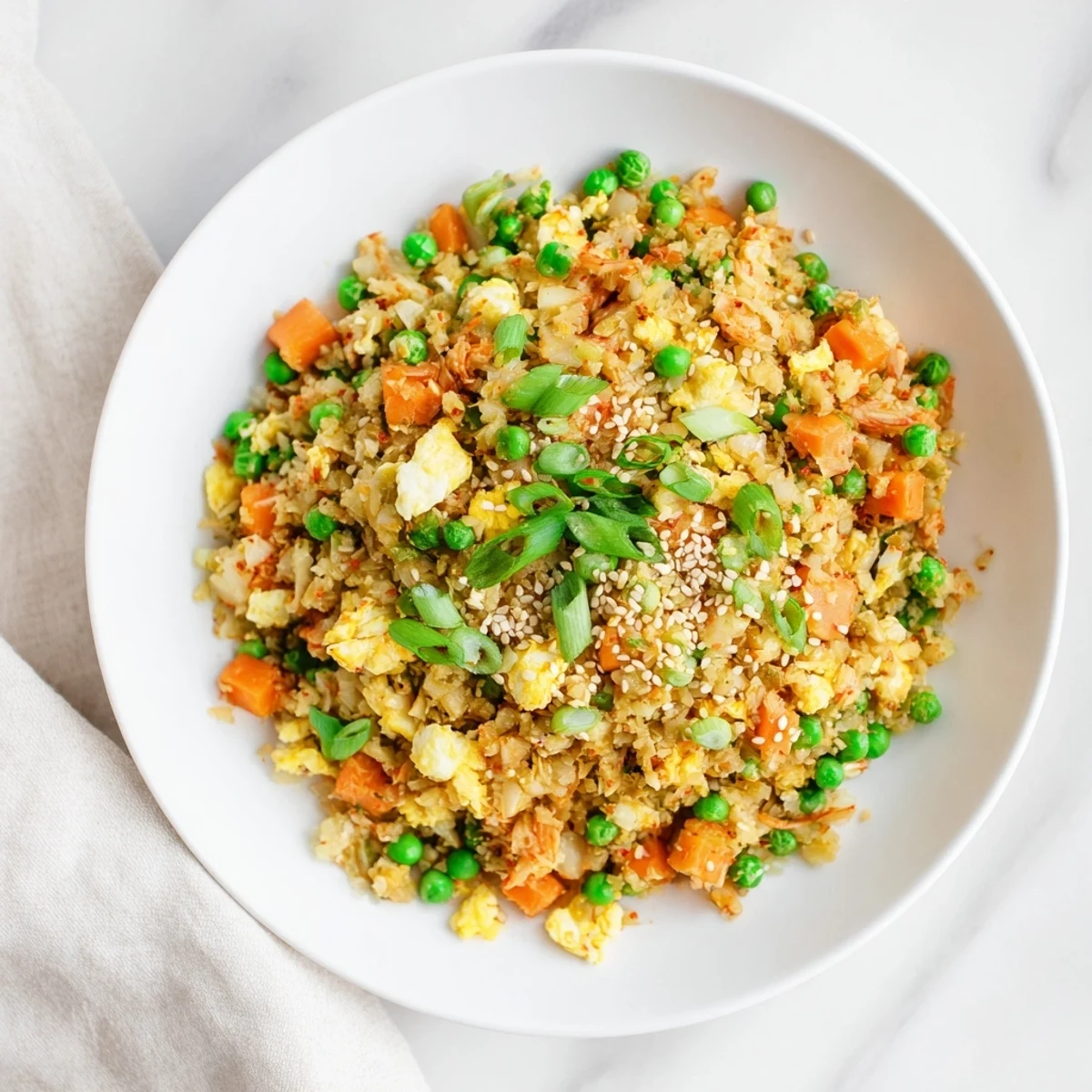
 This low-carb Asian fusion dish transforms cauliflower into rice-sized pieces, then stir-fries them with spicy kimchi, fresh vegetables, and savory scrambled eggs. The combination creates a satisfying meal that mimics traditional fried rice while keeping carbohydrates minimal and flavor maximum.
My roommate in college introduced me to cauliflower rice by literally dumping a bag of frozen cauliflower into my rice cooker with zero explanation. I was skeptical, to say the least, but then she stirred in kimchi and a fried egg, and something just clicked. Now it's the one dish I make when I want something substantial but don't want the heavy carb coma.
Last winter I made this for my sister who swore she hated cauliflower anything. She watched me cook, still looking doubtful, until the kitchen started smelling like garlic and sesame. She went back for thirds and asked for the recipe before even leaving my apartment.
Ingredients
- 1 medium head cauliflower: Pulse in batches so you get even rice-sized pieces, not some chunks and some powder
- 1 cup kimchi, drained and chopped: Older kimchi works better here since it's more fermented and flavorful
- 1 medium carrot, finely diced: Adds sweetness and color that cuts through the spice
- 1/2 cup frozen peas: Skip fresh ones here, frozen hold up better in the high heat
- 3 green onions, sliced: Keep the white and green parts separate for different cooking times
- 2 cloves garlic, minced: Fresh garlic matters, don't use the jarred stuff
- 1-inch piece ginger, grated: Grate it right into the pan so you don't lose any juice
- 4 large eggs: Room temperature eggs scramble up lighter and fluffier
- 2 tbsp soy sauce or tamari: Tamari keeps it gluten-free with a slightly deeper flavor
- 1 tbsp sesame oil: This is the finisher, don't cook with it or it'll turn bitter
- 1 tbsp vegetable oil: A neutral oil lets the other flavors shine
- 1 tsp sriracha: Optional but honestly recommended if you like heat
- 1/2 tsp freshly ground black pepper: Freshly cracked makes a difference you can taste
- 1 tbsp toasted sesame seeds: Toast them in a dry pan for just 30 seconds first
- Reserved green onion tops: Save these for the end so they stay bright and fresh
Instructions
- Turn cauliflower into rice:
- Working in batches, pulse cauliflower florets in your food processor until they resemble rice grains, then set aside in a large bowl.
- Scramble the eggs first:
- Heat half the vegetable oil in a wok over medium-high heat, pour in beaten eggs, and scramble for just 1 to 2 minutes until barely set.
- Build your flavor base:
- Add remaining oil to the pan and sauté garlic, ginger, and white onion parts for 1 minute until everything smells incredible.
- Cook the vegetables:
- Toss in carrots and peas, stir-frying for 2 to 3 minutes until the carrots start to soften but still have some crunch.
- Add the kimchi:
- Stir in chopped kimchi and cook for 2 minutes, letting it get a little caramelized in spots.
- Cook the cauliflower rice:
- Add cauliflower rice and stir constantly for 4 to 5 minutes until it's tender but still has some texture, not mushy.
- Season everything:
- Drizzle with soy sauce, sesame oil, sriracha, and black pepper, tossing to coat every single piece.
- Bring it all together:
- Return scrambled eggs to the pan, breaking them up and tossing until they're evenly distributed throughout.
- Taste and adjust:
- Take a bite, add more soy sauce or heat if needed, then remove from heat immediately.
- Finish and serve:
- Plate while hot and top with reserved green onions and those toasted sesame seeds you made earlier.
 Save to Pinterest
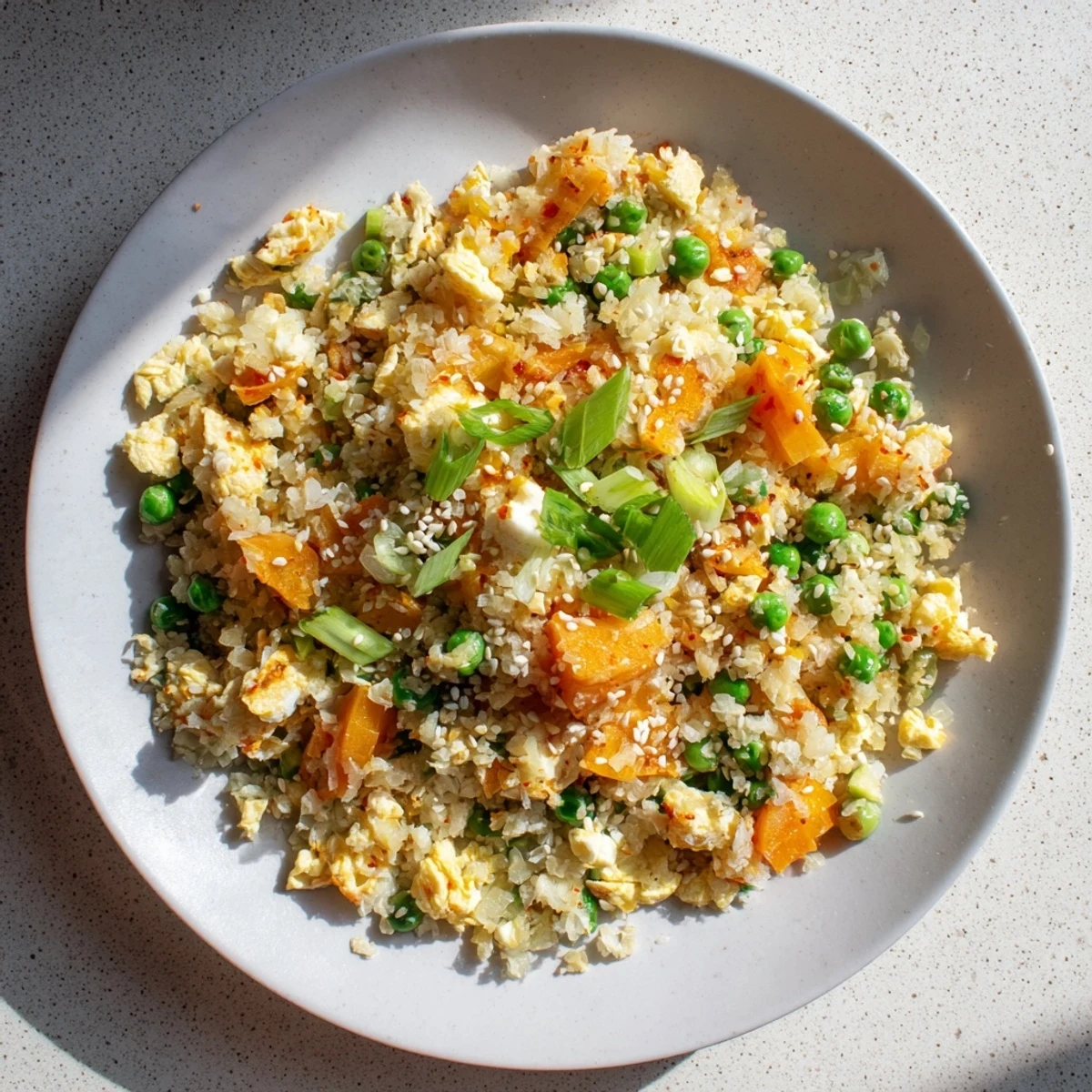
 This recipe has become my go-to when friends come over for casual weeknight dinners. There's something about watching everyone get seconds of a cauliflower dish that just feels like a tiny victory.
Making It Your Own
Sometimes I add a splash of rice vinegar at the end if the kimchi isn't quite sour enough. It brightens everything up and makes each bite taste more complex.
Serving Suggestions
A cold lager or crisp white wine cuts through the spice perfectly. I've also served this alongside grilled fish or on its own as a complete meal.
Make Ahead Tips
You can rice the cauliflower up to three days ahead and keep it in a sealed container in the fridge. The texture actually holds up surprisingly well.
- Make double the cauliflower rice and use half for another recipe
- Keep your kimchi jar juice to add extra funk if needed
- Leftovers reheat beautifully in a skillet with a tiny splash of water
 Save to Pinterest
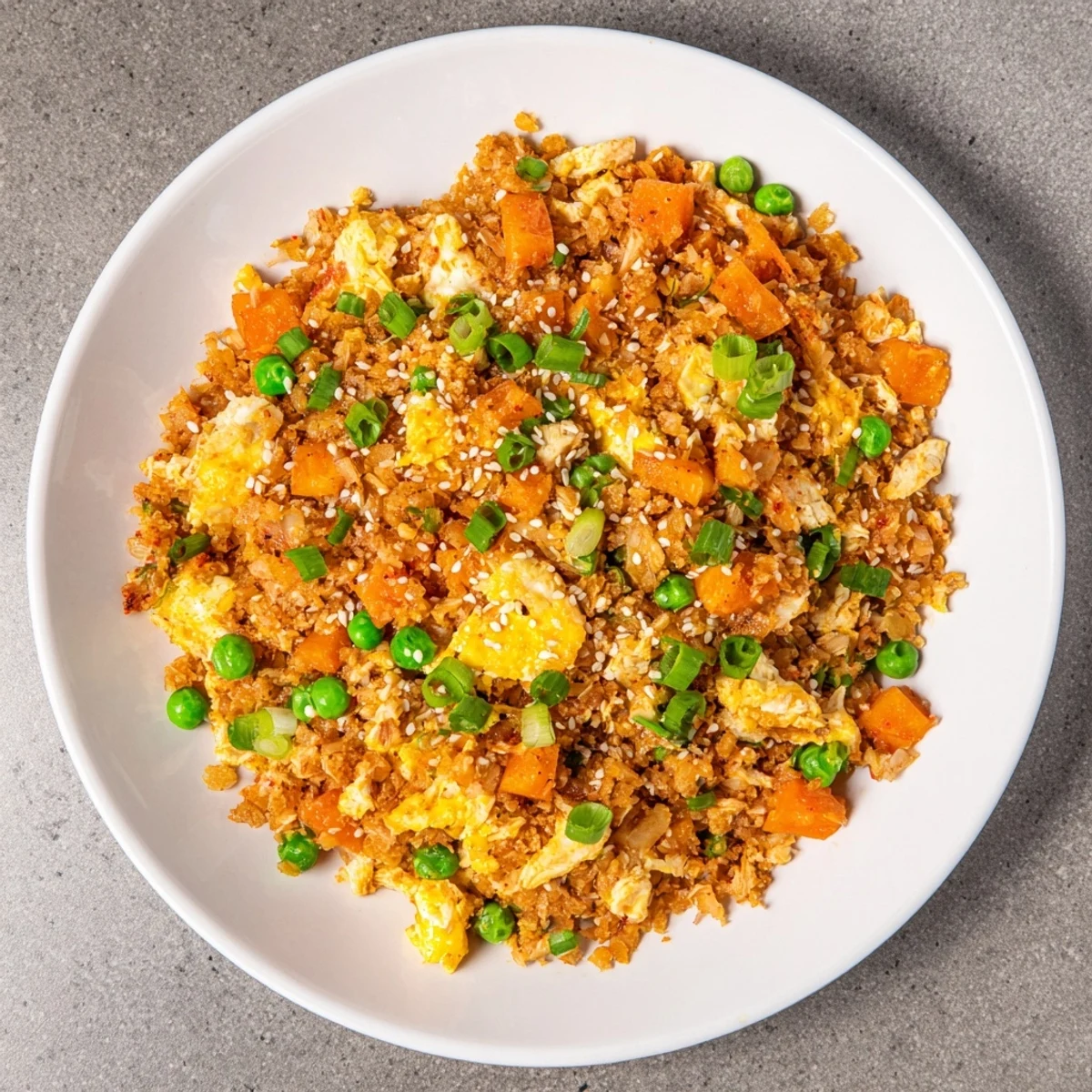
 Hope this becomes one of those weeknight recipes you keep coming back to when you want something that feels indulgent but still wholesome.
Recipe FAQs
- → Is cauliflower rice actually rice?
-
No, cauliflower rice is made by pulsing cauliflower florets in a food processor until they reach small, rice-sized granules. It's a popular low-carb alternative that absorbs flavors beautifully while providing a lighter texture.
- → Can I make this dish vegetarian?
-
Yes, simply substitute the eggs with pan-fried tofu cubes and ensure your kimchi is vegetarian-friendly. Traditional kimchi sometimes contains fish sauce or shrimp paste, so check labels carefully.
- → How spicy is this dish?
-
The spice level depends on your kimchi choice and optional sriracha. Kimchi typically provides moderate heat, while sriracha adds an extra kick. Adjust both to your preferred spice tolerance.
- → Can I prepare cauliflower rice in advance?
-
Absolutely. Pulse the cauliflower and store it in an airtight container in the refrigerator for up to 3 days. However, it's best cooked fresh as pre-made cauliflower rice can become soggy over time.
- → What can I serve with this fried rice?
-
This dish stands well on its own as a complete meal. For a more substantial spread, pair with grilled meats, steamed dumplings, or a crisp Asian-inspired slaw. A cold lager or Sauvignon Blanc complements the flavors beautifully.
- → How do I prevent cauliflower rice from becoming mushy?
-
Keep cooking time short—4-5 minutes maximum. Stir frequently to ensure even heating without overcooking. The goal is tender but still slightly crunchy texture that mimics traditional rice grains.