
 Save to Pinterest
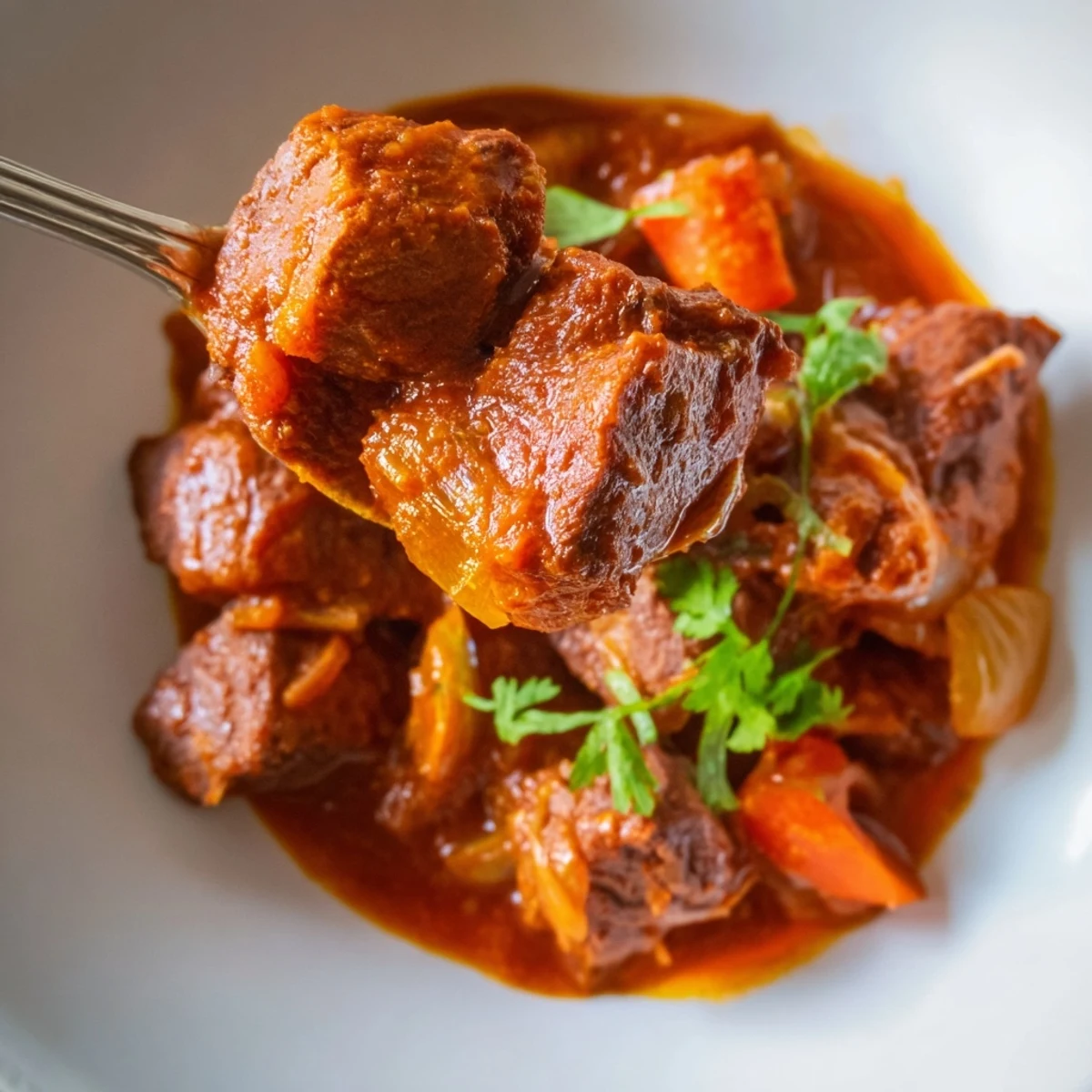
 This traditional Vietnamese stew transforms beef chuck into meltingly tender meat through slow simmering with aromatic spices. The foundation starts with marinating beef in fish sauce, soy sauce, and aromatics before searing to develop deep flavor.
Lemongrass, star anise, cinnamon, and bay leaves infuse the broth with distinctive Vietnamese essence while carrots add natural sweetness. The long, gentle cooking time breaks down connective tissue, creating fork-tender beef and a rich, slightly thickened sauce.
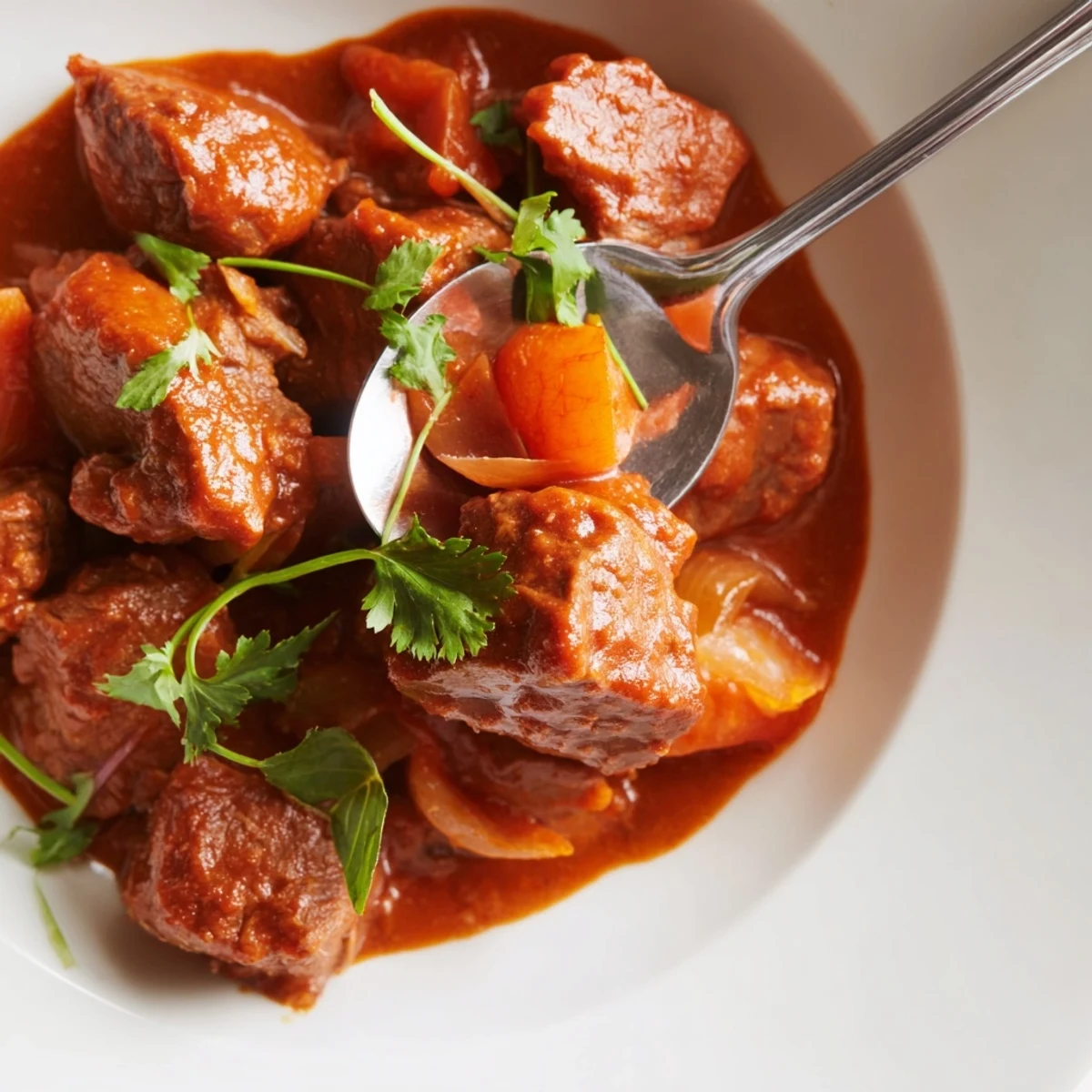
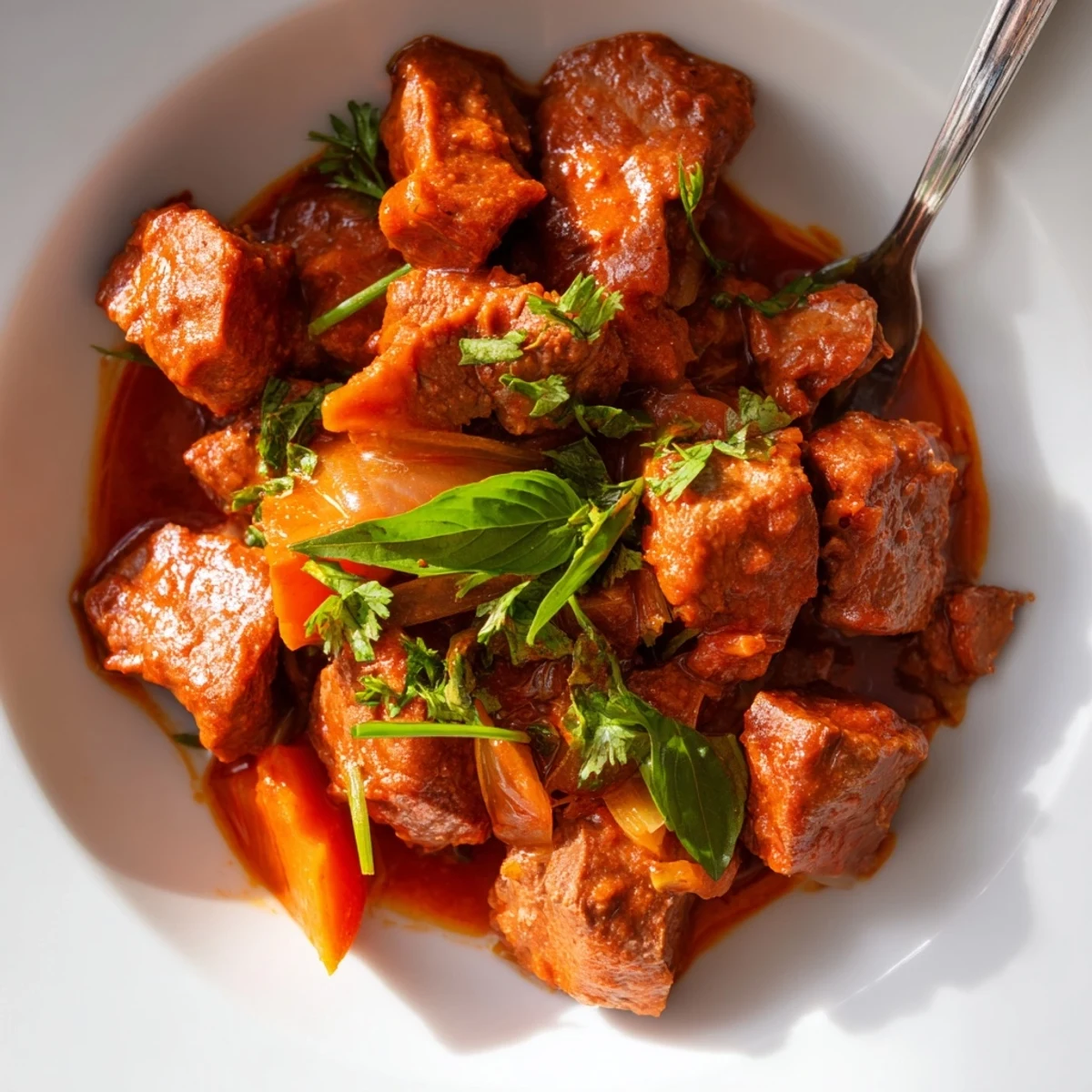
Serve this hearty stew ladled over rice noodles or alongside crusty baguette for soaking up the flavorful broth. Fresh cilantro, Thai basil, and lime wedges add brightness, while optional sliced chilies provide heat.
The first time Bo Kho entered my life was through my aunt's tiny kitchen in Saigon, where every window steamed up from the slow simmering pot. I remember sitting on a small plastic stool, watching her bruise lemongrass with the back of her knife, that citrusy perfume hitting me before I even saw the stew. Now whenever those aromatics hit hot oil, I'm transported back to that humid afternoon, completely enveloped in the warmth of spices filling the air.
Last winter during a particularly brutal cold spell, I made a massive batch for my roommates who had never tried Vietnamese comfort food. They kept wandering into the kitchen, drawn by the cinnamon and star anise wafting through every room. We ended up eating huddled around the coffee table with pieces of crusty baguette, dipping and talking for hours while the snow piled up outside.
Ingredients
- Beef chuck or brisket: Chuck is my go-to for its perfect marbling that breaks down into incredible tenderness during the long simmer
- Fish sauce: The umami foundation that gives Vietnamese cooking its distinctive depth, don't be tempted to skip it
- Lemongrass: Bruising the stalks before adding them releases those essential oils that perfume the entire stew
- Star anise and cinnamon: These warm spices create that signature aromatic complexity that sets Bo Kho apart from other beef stews
- Carrots: They become impossibly sweet and tender, absorbing all those spiced flavors while adding beautiful color
- Tomato paste: Adds both richness and a subtle acidity that balances the beef stock beautifully
Instructions
- Marinate the beef:
- Combine the beef cubes with fish sauce, soy sauce, sugar, pepper, garlic, and shallots in a large bowl, letting them become acquainted for at least 30 minutes in the refrigerator
- Sear the meat:
- Heat oil in your heavy pot over medium-high heat and brown the beef in batches, taking care not to crowd the pieces so they develop a proper caramelized crust
- Build the aromatic base:
- In the same pot, cook the sliced onions until softened, then stir in the tomato paste and let it cook for about a minute to deepen its flavor
- Add the spices:
- Toss in the bruised lemongrass, star anise, cinnamon stick, and bay leaves, then return the beef to coat everything in those fragrant aromatics
- Simmer gently:
- Pour in your beef stock, scrape up all those flavorful browned bits from the bottom, then bring to a boil before reducing to a gentle simmer with the lid on for 1.5 hours
- Add the vegetables:
- Stir in the carrots and continue cooking uncovered for another 30 to 40 minutes until the beef is fork tender and the sauce has thickened slightly
- Finish and serve:
- Remove the whole spices and aromatics, adjust the seasoning to your taste, then ladle into bowls and generously garnish with fresh herbs
 Save to Pinterest
 This recipe has become my go-to whenever friends need comfort food, whether they're celebrating or heartbroken. Something about that fragrant broth, tender beef, and fresh herbs makes people open up and stay at the table long after the bowls are empty.
Making It Your Own
I've learned that Vietnamese cooking, like most home cooking, is beautifully adaptable to what you have available and what your family enjoys. The essence remains the same even as you make small adjustments.
The Bread Versus Rice Debate
My Vietnamese friends swear by baguette for dipping, soaking up that spiced broth until the bread is saturated but still holding together. Others prefer the way rice noodles let the stew's flavors shine without competing for attention. Honestly, I keep both on hand.
Timing Your Perfect Bo Kho
The beauty of this stew is that it rewards patience and benefits from a slow, unhurried approach to cooking. Rushing through the simmering time is the one thing that will noticeably impact your final result.
- Marinate overnight if you have time, the difference in flavor penetration is remarkable
- Make it a day ahead and reheat gently, the flavors meld and deepen incredibly
- Keep some extra beef stock warm to thin the stew if needed as it reheats
 Save to Pinterest
 There's something profoundly satisfying about a dish that nourishes both body and spirit, filling your home with incredible aromas while it transforms simple ingredients into something extraordinary.
Recipe FAQs
- → What cut of beef works best for Bo Kho?
-
Beef chuck or brisket are ideal choices because they contain connective tissue that breaks down during long simmering, resulting in tender, succulent meat. Chuck offers excellent marbling and flavor.
- → Can I make Bo Kho in a slow cooker or Instant Pot?
-
Yes. For a slow cooker, sear the beef first then cook on low for 6-8 hours. In an Instant Pot, sauté mode works for searing, then pressure cook for 35-40 minutes with natural release.
- → What gives Bo Kho its distinctive flavor?
-
The combination of lemongrass, star anise, cinnamon, and fish sauce creates the signature Vietnamese taste profile. These aromatics infuse the broth while tomato paste adds depth and subtle sweetness.
- → How long should I marinate the beef?
-
Marinate for at least 30 minutes, but up to 2 hours in the refrigerator yields deeper flavor penetration. The fish sauce and soy sauce mixture tenderizes while seasoning the meat throughout.
- → What's the best way to serve Bo Kho?
-
Traditionally served with crusty baguette for dipping in the flavorful broth or over rice noodles. Garnish with fresh herbs like cilantro and Thai basil, plus lime wedges for squeezing over the bowl.
- → Can I prepare Bo Kho in advance?
-
Yes, the flavors actually improve overnight. Prepare completely, cool, and refrigerate. The fat will solidify on top for easy removal. Reheat gently on the stovetet, adding a splash of water or stock if needed.