
 Save to Pinterest
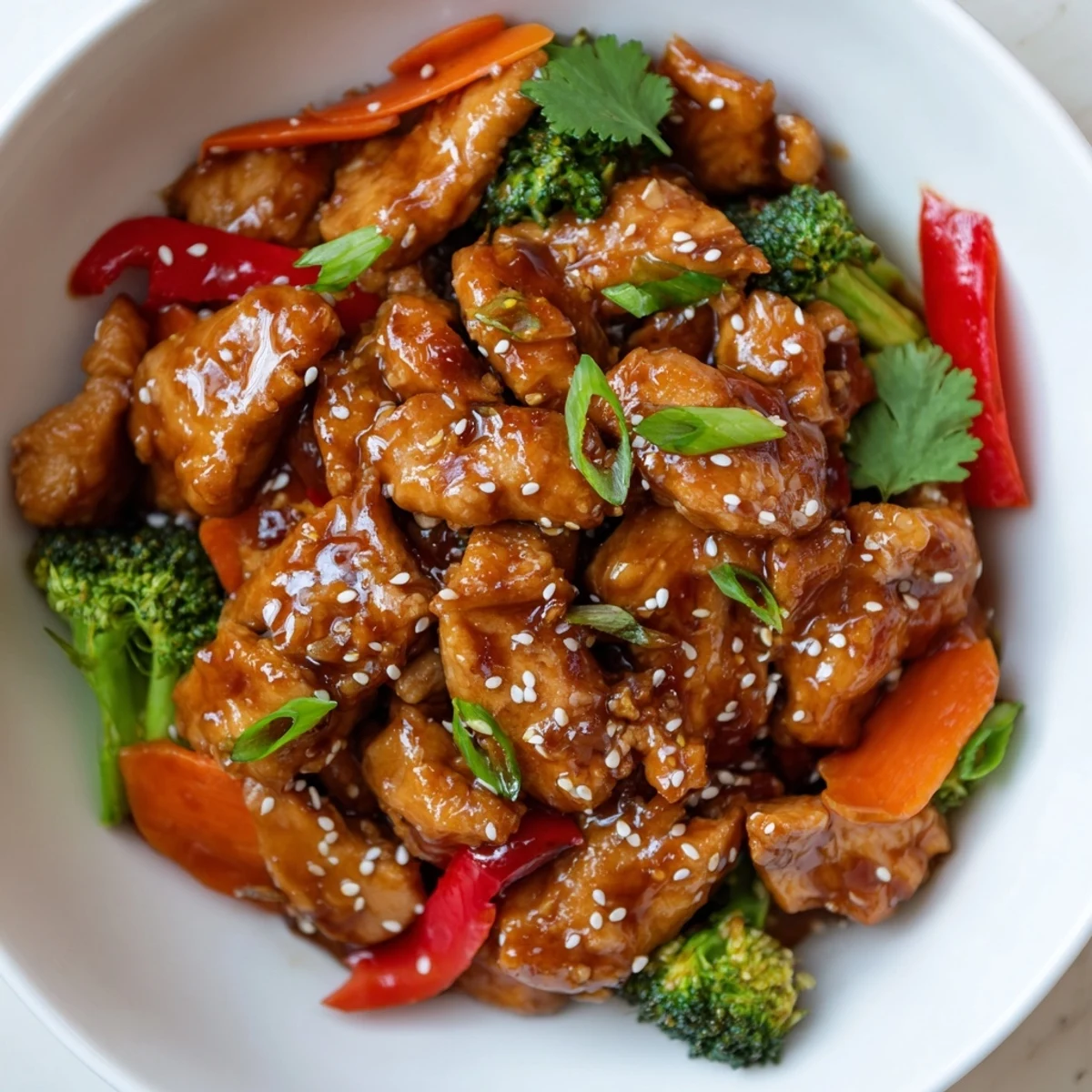
 This vibrant Asian-inspired dish brings together tender sliced chicken breast with colorful crisp-tender vegetables. The signature sauce combines soy sauce, nutty sesame oil, honey, and rice vinegar for that perfect balance of salty, sweet, and tangy. Everything cooks together in a hot wok until the sauce thickens and coats each bite beautifully. Ready from start to finish in just 30 minutes, this makes weeknight dinners effortless while still delivering those bold restaurant flavors everyone craves.
The first time I made this stir-fry, I was running late after work and desperate for something that didn't come from a takeout box. My kitchen filled with this incredible aroma of sesame and garlic that had my roommate wandering in, asking what restaurant I'd ordered from. When I told her it was homemade in under 30 minutes, she looked at me like I'd revealed a magic trick. Now it's our go-to for those nights when we want something spectacular but need to be eating in less time than it takes to decide on a movie.
Last winter my sister came over after a particularly rough day at work, and I threw this together with whatever vegetables I had in the crisper drawer. She took one bite and literally stopped mid-sentence, eyes widening. We sat at the counter eating straight from the pan, and she told me it was exactly the kind of comfort food she needed without being heavy or sleep-inducing. Now whenever she visits, she casually asks if I happen to have any chicken in the fridge, which I know is code for "please make that stir-fry."
Ingredients
- 500 g boneless skinless chicken breast: Slice against the grain into thin strips so they cook quickly and stay tender. I learned this trick after my first attempt turned out chewy and disappointing.
- 1 red bell pepper: Adds beautiful color and sweetness. I always grab whatever looks freshest at the market, but red bell peppers bring this lovely subtle sweetness that balances the salty soy.
- 1 cup broccoli florets: Cut them into bite-sized pieces so they cook evenly with everything else. Nothing worse than undercooked broccoli in an otherwise perfect stir-fry.
- 1 carrot julienned: Use a vegetable peeler to create thin ribbons if you don't want to bother with precise julienne cuts. They cook faster and look gorgeous.
- 1 cup snap peas trimmed: Leave them whole if they're small, or cut larger ones in half. They add this incredible crunch that makes every bite interesting.
- 2 green onions sliced: Save some of the green tops for garnish because they make everything look finished and professional.
- 2 cloves garlic minced: Fresh garlic is non-negotiable here. Don't even think about using the jarred stuff, it just won't give you the same aromatic punch.
- 1 tablespoon fresh ginger minced: Peel it with a spoon to avoid wasting any of the precious aromatic flesh underneath the skin.
- 3 tablespoons soy sauce: Low sodium gives you more control over the salt level, especially since the sauce reduces as it cooks.
- 1 tablespoon sesame oil: Toasted sesame oil adds this incredible depth that regular oil just can't replicate. A little goes a long way.
- 1 tablespoon honey: Balances the salty soy and adds just enough sweetness to make the sauce irresistible.
- 1 tablespoon rice vinegar: Cuts through the richness and brightens everything. White wine vinegar works in a pinch.
- 1 tablespoon cornstarch mixed with 2 tablespoons water: This is what creates that beautiful thickened sauce that clings to every piece of chicken and vegetable.
- 1 teaspoon sriracha: Optional but I honestly think it makes the dish complete. Adjust to your heat tolerance or leave it out if you're serving spice-averse people.
- 1 tablespoon sesame seeds: Toast them in a dry pan for 30 seconds before garnishing. It makes a huge difference in flavor and they look beautiful sprinkled on top.
- Fresh cilantro: Some people love it, some people hate it. I usually serve it on the side so everyone can choose their own adventure.
- 2 tablespoons vegetable oil: Split between cooking the chicken and vegetables. Peanut oil works great too if you want a more traditional wok flavor.
Instructions
- Whisk together your sauce:
- Combine the soy sauce, sesame oil, honey, rice vinegar, cornstarch-water mixture, and sriracha in a small bowl. Make sure the cornstarch is completely dissolved so you don't end up with lumpy sauce later.
- Cook the chicken:
- Heat half the oil in a wok or large skillet over medium-high heat until it's shimmering. Add the chicken in a single layer and let it sear for a minute before stirring. You want it golden and cooked through, about 4-5 minutes total. Remove and set aside on a plate.
- Sauté the aromatics and vegetables:
- Add the remaining oil to the pan. Toss in the garlic and ginger first, stirring for just 30 seconds until fragrant. Add all the vegetables except the green onions and stir-fry for 3-4 minutes until they're bright and crisp-tender.
- Combine everything:
- Return the chicken to the pan along with any accumulated juices. Pour in the sauce and toss everything together. The sauce will bubble and thicken, coating everything beautifully. Stir in the green onions right at the end.
- Serve immediately:
- The sauce is best when it's hot and glossy. Sprinkle with sesame seeds and fresh cilantro if you're using it. This dish waits for no one.
 Save to Pinterest
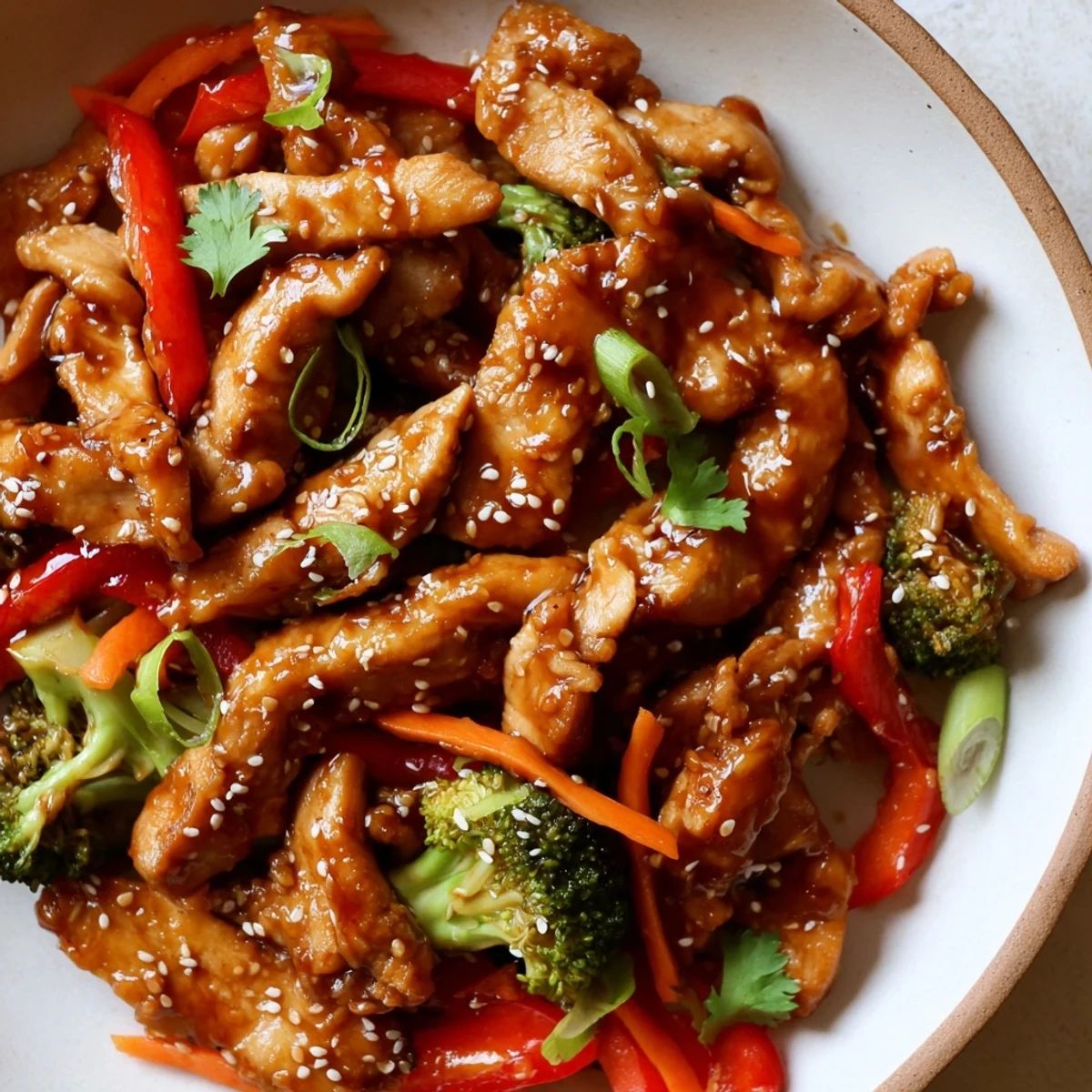
 This recipe became my secret weapon during a months-long kitchen renovation when I was cooking with just a hot plate and a single pan. Friends kept offering to order takeout, not believing I could produce something this good with such limited equipment. There was something almost meditative about the rhythm of stir-frying in that makeshift kitchen, watching the sauce transform into something glossy and perfect, knowing I could feed people something made with care even in less-than-ideal circumstances. Now when my kitchen is fully equipped again, I still make it the same way, in that same battered pan, because sometimes constraints teach us the best shortcuts.
The Rice Question
I always start my rice before I even begin prepping the vegetables. White rice takes about 18 minutes, which is exactly the amount of time you need to get everything else ready. Brown rice takes longer, so factor that in. Some nights when I'm feeling particularly lazy, I just serve this over steamed noodles that I boil while the chicken cooks.
Customizing Your Vegetables
The beauty of stir-fry is that it's endlessly adaptable based on what's in your fridge or what looked good at the market. I've made this with bok choy, snow peas, zucchini, mushrooms, and even baby corn. The key is cutting everything to roughly the same size so it cooks evenly. Softer vegetables like tomatoes don't work well, but almost anything else is fair game.
Making It Your Own
Once you've made this a few times, you'll start developing your own rhythm and preferences. Maybe you'll discover you love extra ginger, or that you prefer broccoli slightly crunchy. That's exactly how cooking should feel. Here are some ways I've made this recipe work for different situations and tastes.
- Double the sauce if you love extra gravy to soak into your rice
- Add crushed red pepper flakes instead of sriracha if you prefer a different kind of heat
- Marinate the chicken for 15 minutes in a splash of soy sauce and sesame oil before cooking for extra depth
 Save to Pinterest
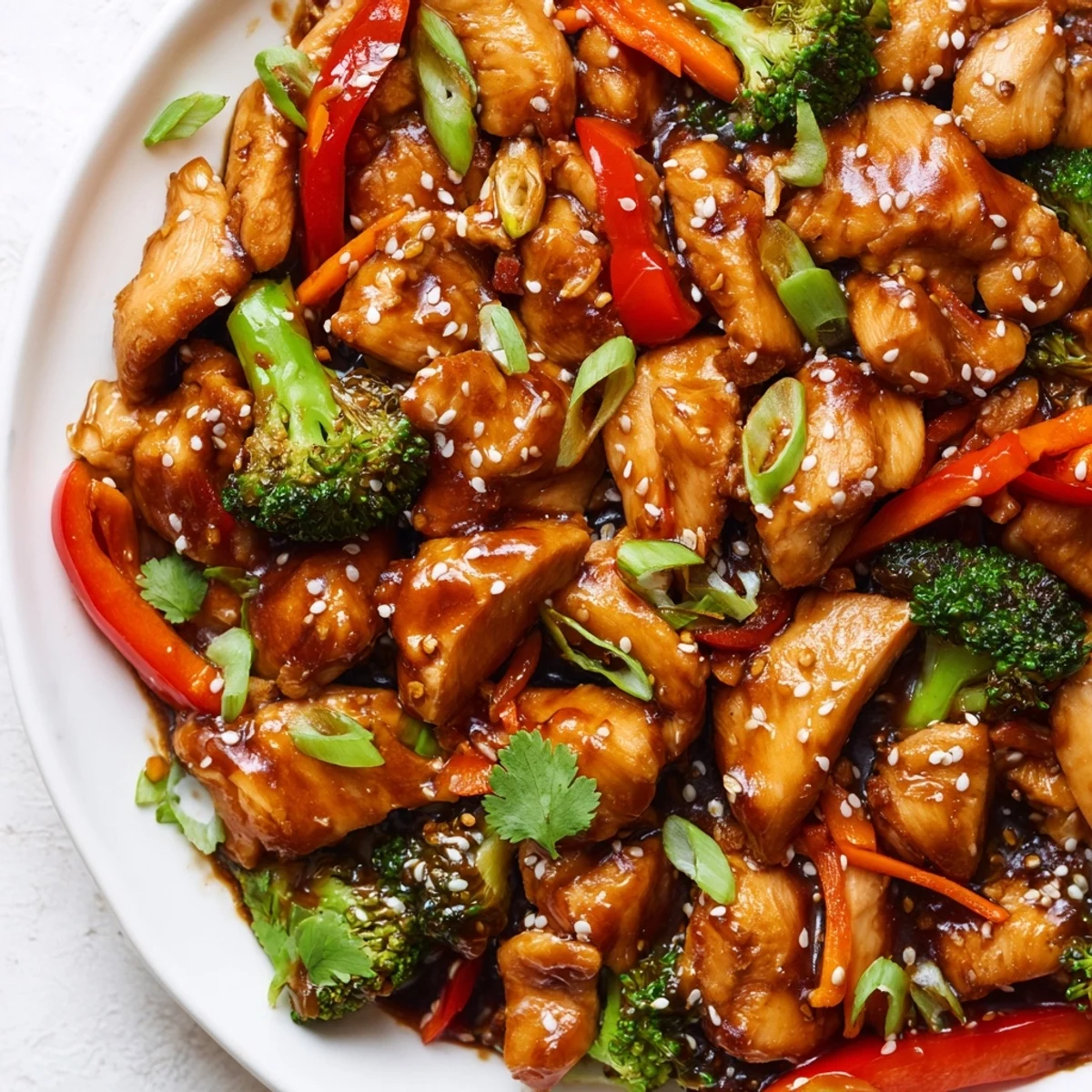
 There's something deeply satisfying about a home-cooked stir-fry that rivals takeout but feels so much better to eat. I hope this becomes one of those recipes you turn to again and again, adapting it until it's perfectly yours.
Recipe FAQs
- → What vegetables work best in this dish?
-
Red bell pepper, broccoli florets, julienned carrots, and snap peas provide excellent texture and color. Feel free to substitute based on season or personal preference—sugar snap peas, bok choy, or sliced mushrooms work beautifully too.
- → Can I make the sauce ahead of time?
-
Absolutely. Whisk together all sauce ingredients and store in an airtight container in the refrigerator for up to a week. The cornstarch mixture works best when added fresh during cooking.
- → How do I prevent the chicken from becoming tough?
-
Slice the chicken against the grain into thin, even strips. Cook over medium-high heat just until cooked through—about 4–5 minutes. Avoid overcrowding the pan, which causes steaming instead of proper searing.
- → What can I substitute for soy sauce?
-
Tamari or coconut aminos make excellent alternatives. For a gluten-free version, ensure you select certified gluten-free soy sauce or tamari. The flavor profile remains similar with satisfying umami notes.
- → How spicy is this dish?
-
The base version has mild heat from garlic and ginger. Adding sriracha or chili sauce brings customizable spice levels—start with ½ teaspoon if you're sensitive to heat, or increase to 2 teaspoons for more kick.