
 Save to Pinterest
 This traditional Irish potato bread combines mashed potatoes, flour, butter, and milk into a soft dough that's pan-fried until golden and crisp. Ready in just 40 minutes, it serves 8 and requires basic kitchen tools like a potato masher and skillet.
The process is straightforward: boil and mash floury potatoes, incorporate warm butter and milk, combine with seasoned flour, then shape and cook on a griddle. For extra flavor, add chopped chives or spring onions to the dough before cooking.
The scent of potato bread sizzling in my grandmother's cast iron skillet is a memory etched into my senses. When I first tried to recreate her Irish potato bread in my tiny apartment kitchen, the familiar aroma transported me straight back to those Sunday mornings in her farmhouse. The satisfying sizzle as the dough hit the hot pan and the golden crust that formed were exactly as I remembered, though it took several attempts to match her perfect texture.
Last St. Patricks Day, I invited friends over for a proper Irish breakfast and watched their expressions as they bit into warm slices slathered with butter. My friend Mike, who claimed he didnt like potato anything, ended up eating three pieces and asking for the recipe. The kitchen filled with laughter and stories as we gathered around the table, passing the plate of potato bread until not a crumb remained.
Ingredients
- Floury Potatoes: I discovered Russets or Maris Pipers work best because their high starch content creates that perfect fluffy interior that makes this bread so comforting.
- Unsalted Butter: After trying both salted and unsalted versions, I found unsalted gives you better control over the final flavor, allowing the earthy potato taste to shine through.
- All-purpose Flour: The protein content in all-purpose flour provides just enough structure without making the bread tough, something I learned after a disastrous attempt with bread flour.
- Baking Powder: Just a small amount creates that perfect subtle lift without turning this into a cake-like texture.
Instructions
- Prepare those spuds:
- Boil your peeled, quartered potatoes in well-salted water until theyre completely fork-tender, about 15 minutes. The fork should slide in effortlessly, like cutting through butter.
- Banish the moisture:
- After draining, return potatoes to the still-hot pot and let them steam dry for a minute. This little step prevents soggy bread, something I wish Id known during my first few attempts.
- Mash to perfection:
- While the potatoes are still hot, mash them until completely smooth. Those little lumps might seem charming now, but theyll create strange texture pockets in your finished bread.
- Add the richness:
- Mix in the butter and milk while everything is still warm, allowing them to melt into the potatoes. You should notice the mixture becoming glossy and more cohesive.
- Combine dry ingredients:
- In a separate bowl, whisk together your flour, salt, and baking powder. This ensures the baking powder is evenly distributed throughout the dough.
- Form your dough:
- Add the warm potato mixture to your dry ingredients and gently mix until a soft dough forms. The warmth of the potatoes helps everything bind together beautifully.
- Shape with care:
- On a floured surface, give the dough a brief knead until smooth, then pat or roll to about a half-inch thickness. I find using my hands gives me better control than a rolling pin.
- Create your portions:
- Cut the dough into 8 triangles or rounds, whichever you prefer. Traditional shapes vary by region in Ireland, so theres no wrong choice here.
- Achieve golden perfection:
- Cook in a preheated skillet over medium heat for about 3-4 minutes per side. Youre looking for that gorgeous golden-brown crust that signals the perfect contrast to the soft interior.
- Serve with generosity:
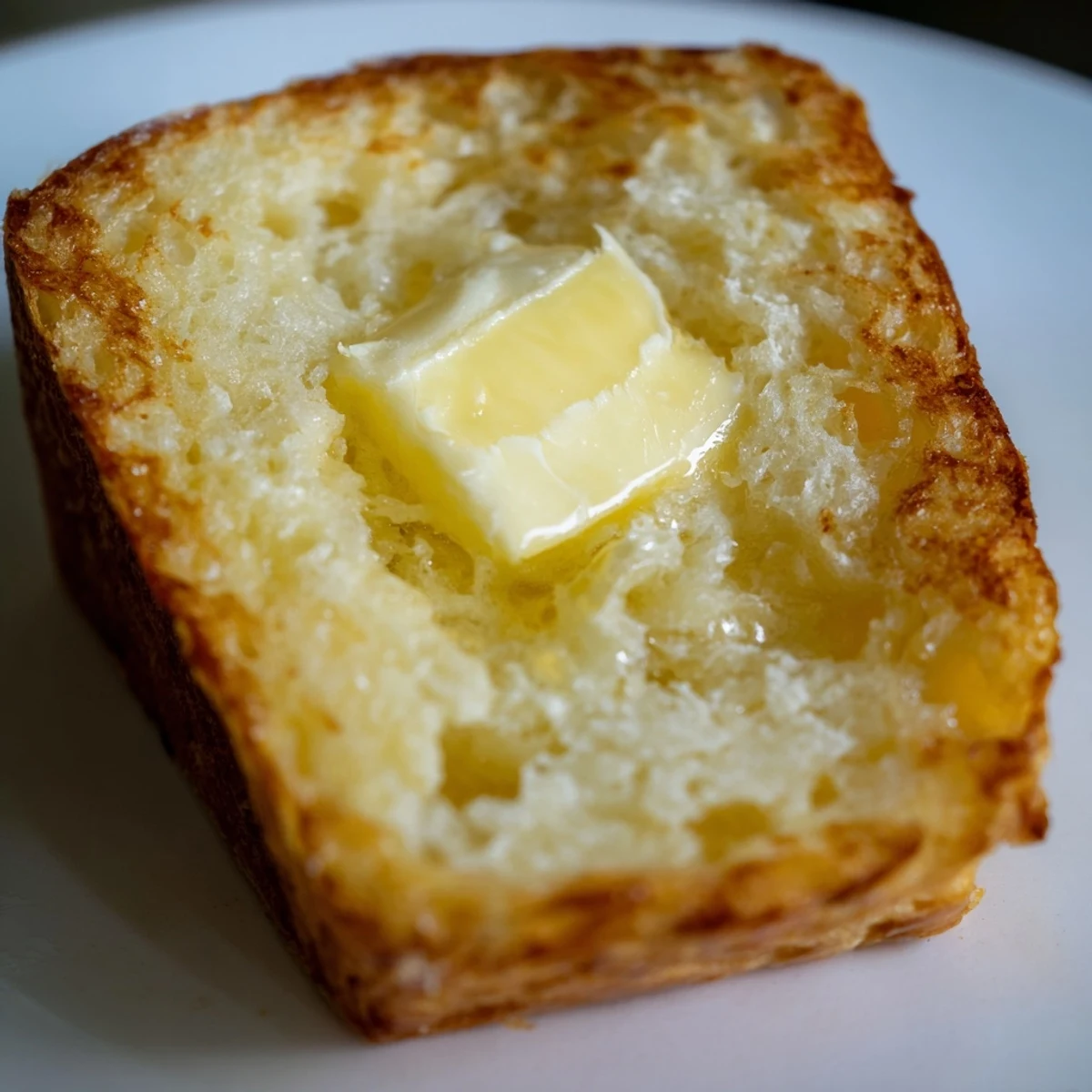
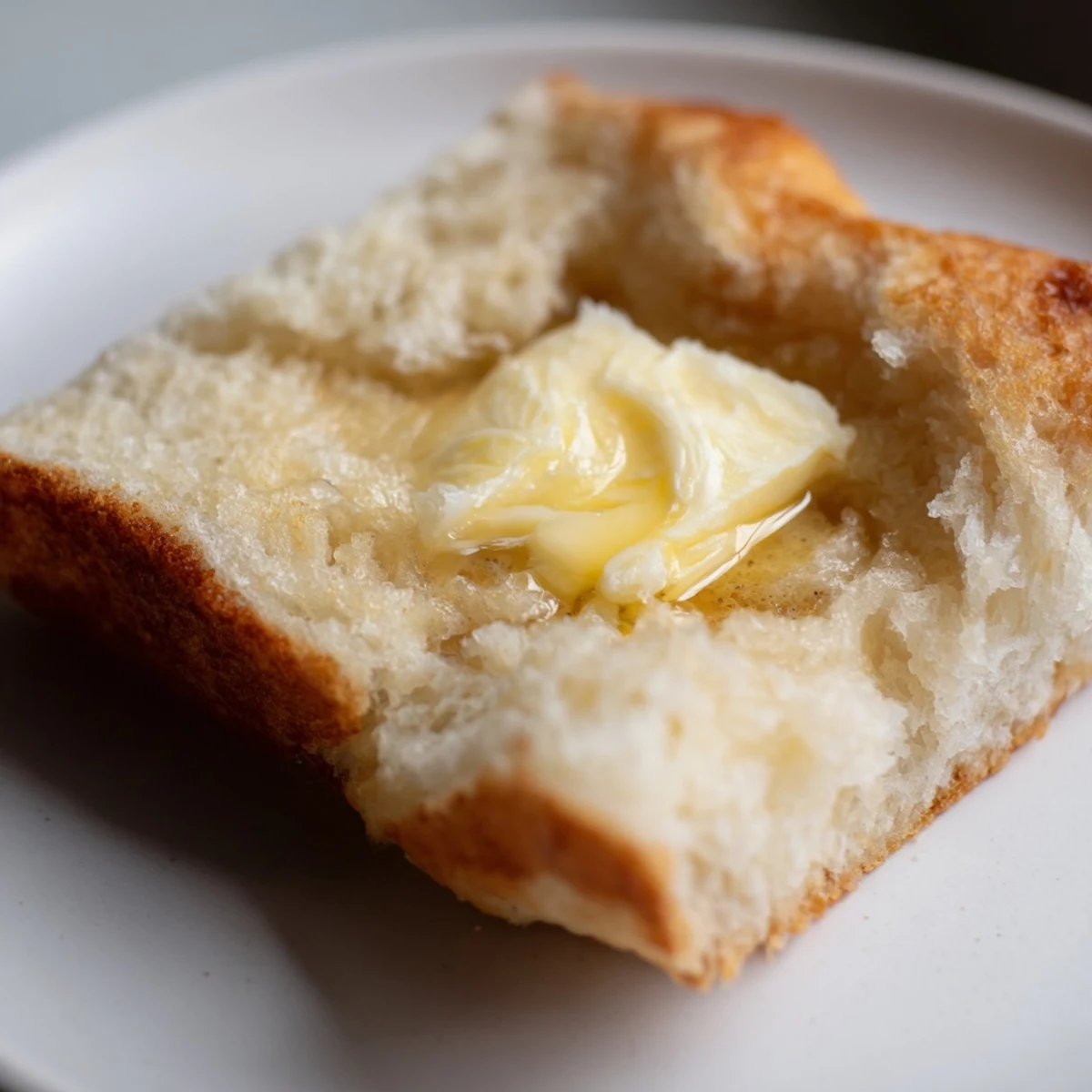
- These are best enjoyed straight from the pan, with butter melting luxuriously into each warm slice. Theres something magical about that first bite when the butter has just begun to melt.
 Save to Pinterest
 On a particularly gloomy winter afternoon, I found myself making this potato bread almost on autopilot, seeking comfort in the familiar process. My daughter wandered into the kitchen, drawn by the smell, and asked if she could help. We stood side by side, her small hands patting out the dough while I told her about her great-grandmother who brought this recipe from Ireland. In that moment, this simple bread became more than food, it became a thread connecting generations.
Flavor Variations
After making this bread dozens of times, Ive found that adding a handful of chopped chives or spring onions to the dough creates a savory version that pairs beautifully with soups. The first time I tried this addition was purely accidental, using up garden herbs that were about to wilt, but it turned into a happy discovery that my family now requests specifically.
Serving Suggestions
While butter is the traditional topping, Ive discovered this bread takes on a whole new personality when served with a drizzle of honey or a spoonful of blackberry jam. During summer months, I love serving it alongside scrambled eggs with fresh herbs from the garden, creating a breakfast that feels both hearty and fresh.
Storage and Reheating
Though best enjoyed fresh, Ive found this bread keeps surprisingly well for up to two days when stored in an airtight container at room temperature. The texture changes slightly, becoming more dense but no less delicious.
- To reheat, a quick 30 seconds in a dry skillet brings back much of the original texture and warmth.
- For a crisper exterior when reheating, brush the bread lightly with butter before putting it in the pan.
- If you find yourself with extra dough, it freezes beautifully for up to a month, just thaw completely before cooking.
 Save to Pinterest
 Whenever I make Irish potato bread, Im reminded that the simplest foods often carry the deepest connections to our heritage and hearts. Its comfort in its purest form, requiring nothing more than basic ingredients and a little patience to create something truly special.
Recipe FAQs
- → What type of potatoes work best for this bread?
-
Floury potatoes are ideal as they mash smoothly and create a lighter texture. Varieties like Russets or Maris Piper work well. Avoid waxy potatoes as they won't mash as easily.
- → Can I make the dough ahead of time?
-
Yes, you can prepare the dough and refrigerate it for up to 24 hours. Allow it to come to room temperature before shaping and cooking for best results.
- → How do I prevent the bread from becoming too dry?
-
Steam off excess moisture from the boiled potatoes immediately after draining. Use the warm potatoes while still hot to help incorporate the butter and milk evenly, and avoid over-kneading the dough.
- → What's the best way to serve this bread?
-
Serve immediately while warm, generously spread with butter. It pairs beautifully with a traditional Irish breakfast or can be enjoyed as a snack with jam or jam preserves.
- → Can I freeze leftover potato bread?
-
Yes, store cooled bread in an airtight container in the freezer for up to 3 months. Reheat by pan-frying briefly over medium heat until warmed through and crispy.
- → Are there flavor variations I can try?
-
Absolutely. Mix in chopped chives, spring onions, or fresh herbs into the dough for added flavor. You can also incorporate grated cheese for a savory twist.