
 Save to Pinterest
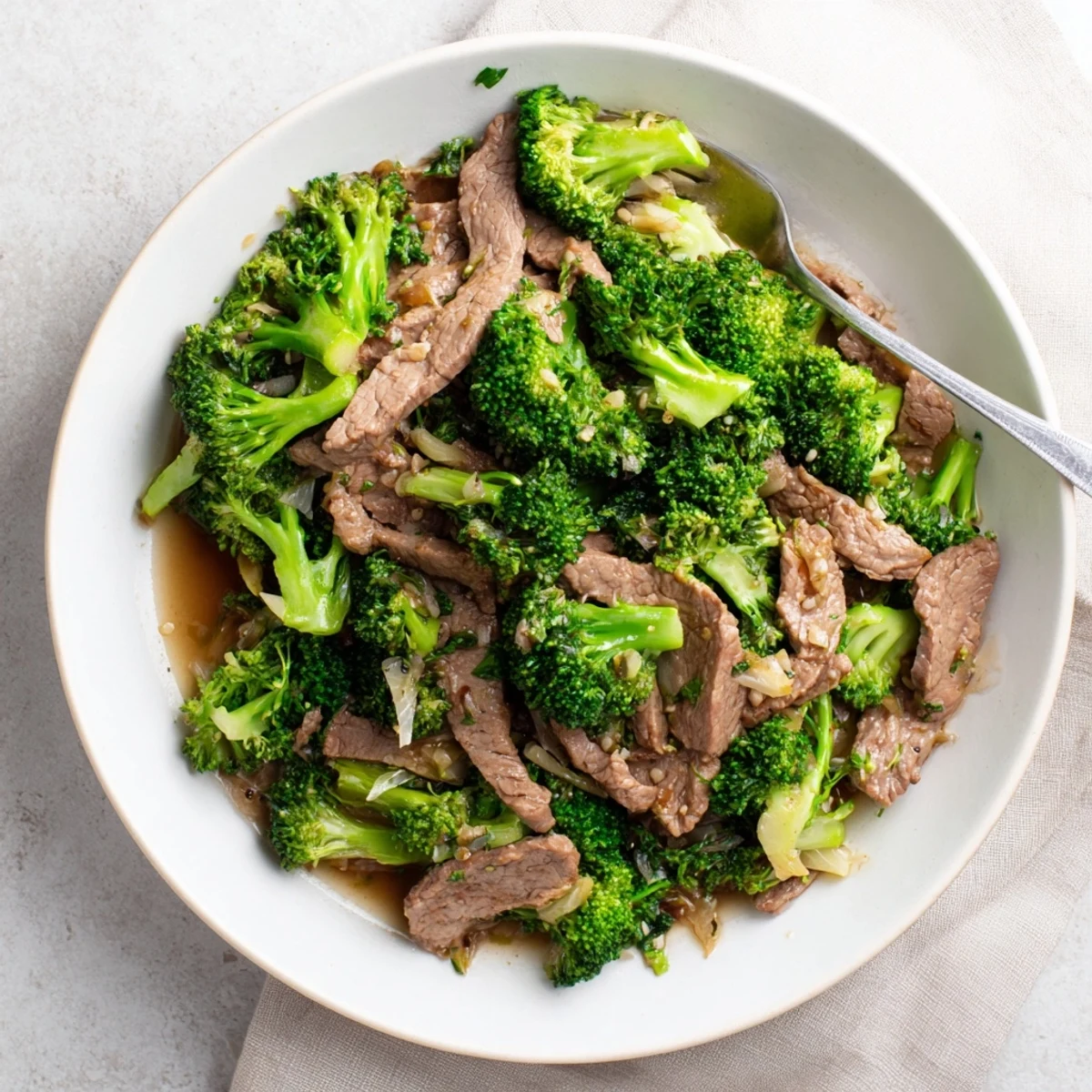
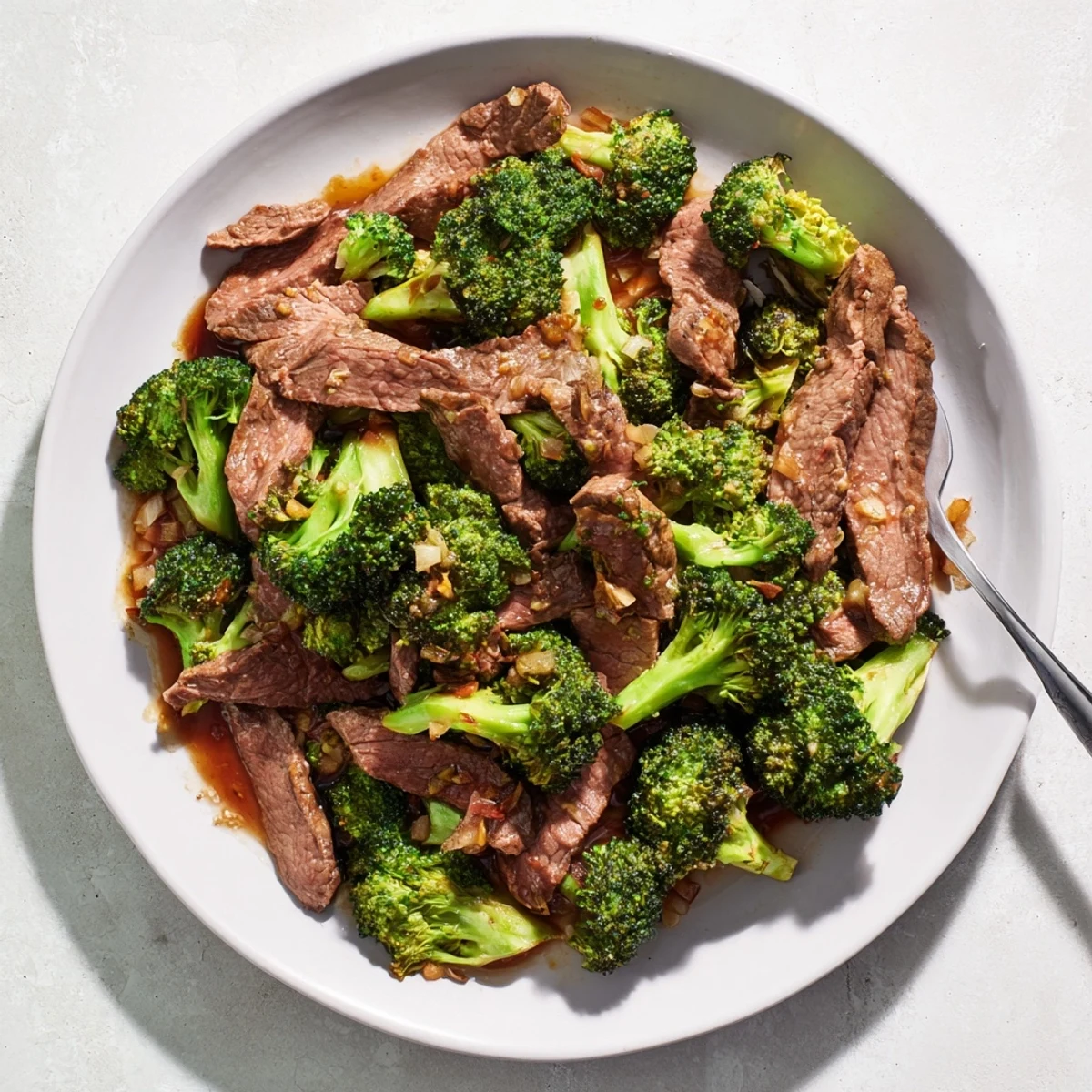
 This beloved Chinese-American dish combines thinly sliced flank steak with fresh broccoli florets in a glossy, umami-rich sauce. The secret lies in marinating the beef with cornstarch for extra tenderness, then quickly searing it over high heat to develop a beautiful brown crust. The sauce, featuring oyster sauce, soy sauce, and a touch of brown sugar, creates that perfect balance of savory and slightly sweet flavors that makes this takeout favorite so irresistible. From start to finish, you'll have a restaurant-quality meal on the table in just half an hour.
The first time I attempted beef and broccoli at home, I stood over my wok watching the beef turn gray and rubbery while my broccoli cooked into oblivion. It took three failed attempts and a conversation with my friend's restaurant chef father to understand that high heat, quick movements, and velveted meat were the secrets to that glossy takeout texture I craved. Now this recipe lives in my weekly rotation because it comes together faster than delivery could ever arrive.
My brother in law came over for dinner last month claiming he hated home cooked stir fry because it always tasted bland and greasy. I watched his expression change from skeptical to genuinely surprised after his first bite of this version, admitting it was better than our usual takeout spot. He asked for the recipe before he even finished his plate.
Ingredients
- Flank steak: Thinly slicing against the grain is the non negotiable secret here, and I learned the hard way that partially freezing the meat for 20 minutes makes it infinitely easier to get those paper thin slices
- Cornstarch: This magical powder creates a protective coating on the beef during the quick sear, keeping it juicy while helping the sauce cling to every surface
- Shaoxing wine: The fermented depth this adds is irreplaceable, though I have successfully used dry sherry in a pinch when my Asian grocery run was delayed
- Oyster sauce: This provides that umami richness and slight sweetness that makes Chinese American takeout sauce so addictive
- Dark soy sauce: Not essential, but it gives your dish that gorgeous deep mahogany color that makes it look like it came from a restaurant kitchen
- Brown sugar: Just enough to balance the salty elements and create that caramelized gloss when it hits the hot pan
- Broccoli: Blanching it first means it stays bright green and crisp tender instead of turning into mush during the final stir fry
Instructions
- Velvet the beef:
- Toss your sliced flank steak with cornstarch, soy sauce, and Shaoxing wine until every piece is coated, then walk away for at least 10 minutes while the cornstarch works its tenderizing magic
- Whisk your sauce:
- Combine all your sauce ingredients in a bowl and whisk until the brown sugar and cornstarch completely disappear into the liquid, because lumpy sauce ruins everything
- Blanch the broccoli:
- Drop your florets into boiling water for exactly 2 minutes, then immediately drain them so they stop cooking and stay that perfect bright green that makes you want to eat it
- Sear the beef:
- Get your pan seriously hot over high heat, add oil until it shimmers, then spread your beef in a single layer and let it develop a crust without touching it for a full minute
- Build your aromatics:
- Fresh oil hits the hot pan followed immediately by garlic and ginger, stirring constantly for just 30 seconds until your kitchen smells like a restaurant wok station
- Bring it all together:
- The beef returns to join the broccoli and aromatics, pour in that sauce while everything sprints around the pan, and keep stirring until it thickens into glossy perfection
 Save to Pinterest
 This recipe became my comfort food during those exhausting months when work ran late and motivation to cook was nonexistent. Something about the rhythm of chopping vegetables and the sizzle of hot oil makes even the most chaotic evening feel manageable.
The Velvet Technique Secret
That cornstarch coating on beef might seem like an unnecessary extra step, but it is what separates mushy home stir fry from the impossibly tender beef you get at restaurants. The cornstarch creates a protective barrier that seals in moisture while providing the perfect surface for sauce to cling to.
Making It Your Own
I have added snow peas, sliced bell peppers, and even water chestnuts depending on what needs using up in my crisper drawer. The sauce ratio works beautifully with almost any vegetable combination you throw at it.
Storage And Reheating
This keeps surprisingly well in the refrigerator for up to three days, though the broccoli will soften slightly. Reheat gently in a skillet with a splash of water to loosen the sauce.
- Store in a glass container to avoid absorbing any plastic flavors from the sauce
- Add fresh broccoli florets when reheating if you want to maintain that crisp texture
- The sauce thickens when cold, so it will look different than when freshly made
 Save to Pinterest
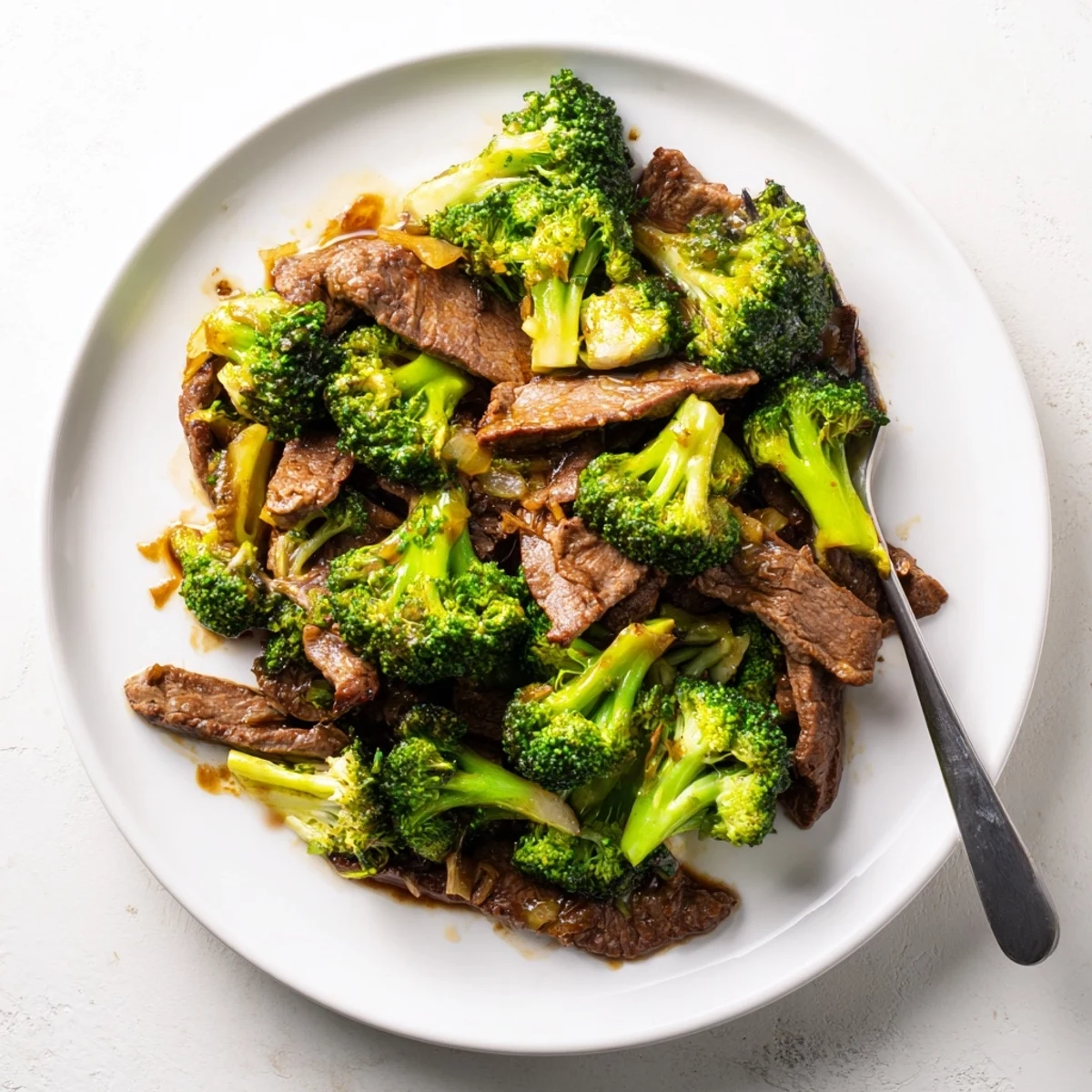
 Serve this over fluffy steamed rice and watch how quickly everyone forgets about ordering takeout ever again.
Recipe FAQs
- → How do I slice the beef properly?
-
Slice the flank steak against the grain into thin strips, about 1/8 to 1/4 inch thick. Cutting against the grain shortens the muscle fibers, resulting in more tender meat that's easy to chew.
- → Why should I marinate the beef with cornstarch?
-
Cornstarch creates a protective coating on the beef that helps retain moisture during cooking. This technique, called velveting, ensures the meat stays tender and juicy even after high-heat stir-frying.
- → Can I use frozen broccoli instead of fresh?
-
Fresh broccoli works best for maintaining crisp texture, but you can use frozen in a pinch. Thaw and pat them completely dry before adding to the stir-fry to prevent the sauce from becoming watery.
- → What can I substitute for Shaoxing wine?
-
Dry sherry makes an excellent substitute with similar flavor notes. You can also use Japanese sake or simply omit it and add an extra tablespoon of soy sauce instead.
- → How do I store leftovers?
-
Store cooled leftovers in an airtight container in the refrigerator for up to 3 days. Reheat gently in a skillet over medium heat, adding a splash of water or broth if the sauce has thickened too much.
- → Is this dish gluten-free?
-
Traditional versions contain gluten from soy sauce and oyster sauce. To make it gluten-free, substitute with tamari and certified gluten-free oyster sauce or hoisin sauce as an alternative.