 Save to Pinterest
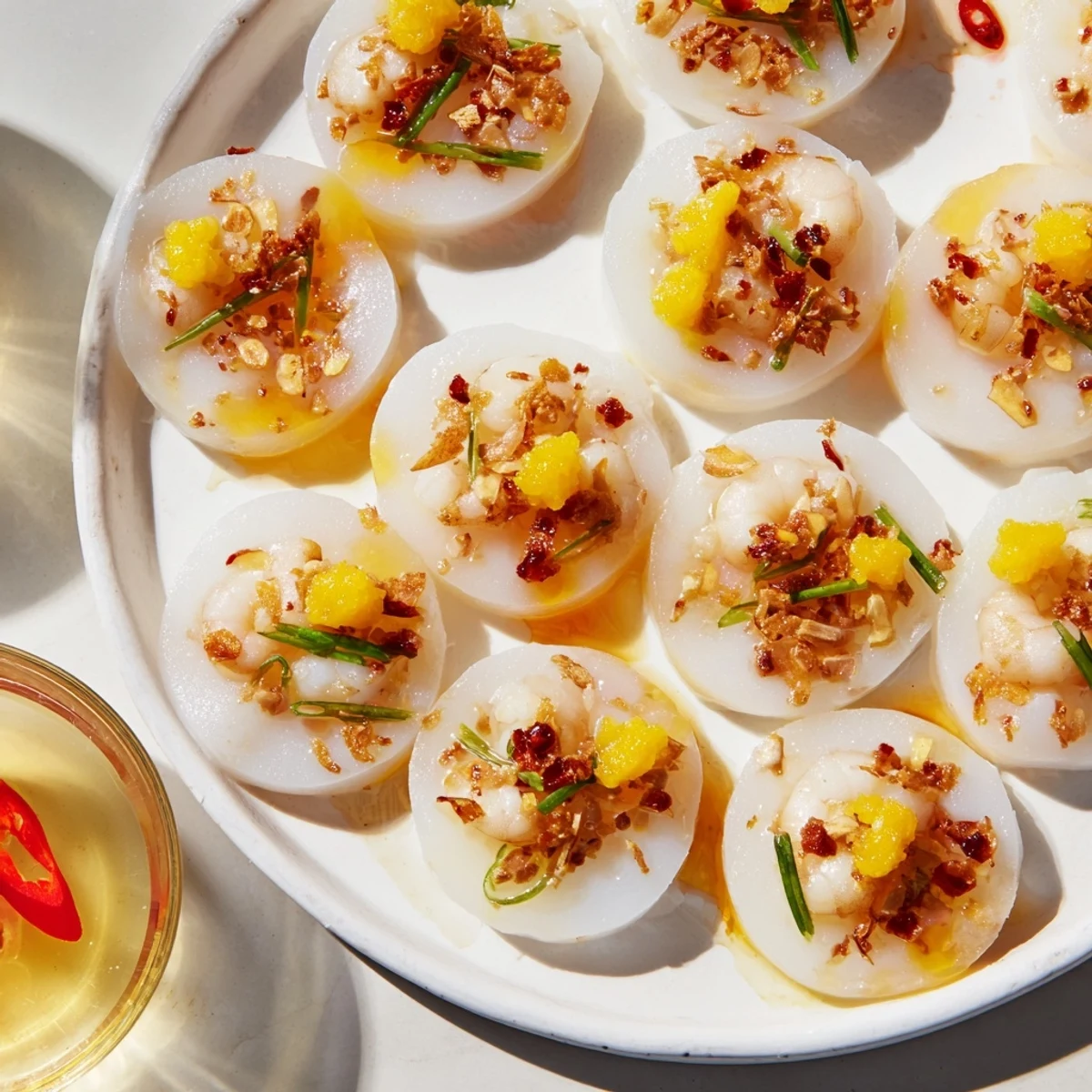
 Banh Beo brings the delicate art of Vietnamese steaming to your kitchen with translucent rice cakes topped with seasoned shrimp, aromatic scallion oil, and golden crispy shallots. These bite-sized cakes achieve the perfect texture through a combination of rice flour and tapioca starch, creating a silky base that contrasts beautifully with the savory shrimp topping. The traditional preparation requires small heatproof dishes for steaming, ensuring each cake develops that characteristic translucent appearance. A tangy fish sauce dipping sauce with lime and chili complements the rich toppings, while optional mung bean paste adds another layer of authentic flavor. Perfect for appetizers or light snacks, these gluten-free cakes are best enjoyed warm when the textures are at their peak.
The first time I had banh beo was in a tiny roadside stall in Hue, where an elderly woman worked three steaming bamboo baskets at once. She moved between them with practiced ease, lifting lids to release clouds of steam that smelled of rice and shallots. Each little porcelain saucer arrived glistening, and I ate nine before realizing I'd lost count of the tiny, perfect bites.
Last winter, I made these for a dinner party when my friend Minh visited. She watched me grease the little dishes and told me her grandmother used to make them in washed-out tin cans before proper molds were common. We stood around the steamer stealing warm cakes straight from the ramekins, burning our fingers and not caring one bit.
Ingredients
- Rice flour: The foundation of banh beo, creating that signature soft and slightly chewy texture that sets these apart from other rice cakes
- Tapioca starch: Essential for the delicate, translucent finish and gives the cakes their characteristic bounce
- Raw shrimp: Finely chopped and cooked down until almost dry, creating concentrated pockets of savory flavor throughout each cake
- Scallion oil: This aromatic drizzle ties everything together with its fresh, oniony fragrance and glossy finish
- Crispy fried shallots: The crucial texture contrast that elevates each bite from simply soft to absolutely crave-worthy
- Fish sauce dipping sauce: Balances all the flavors with just the right hit of salt, sweet, and acid
Instructions
- Mix the rice cake batter:
- Whisk rice flour, tapioca starch, water, salt, and half teaspoon oil until completely smooth, then let it rest for ten minutes. This resting period helps prevent lumps when steaming.
- Cook the shrimp topping:
- Finely chop the shrimp and sauté with shallot, oil, salt, sugar, and pepper until cooked through and most moisture has evaporated. The mixture should be slightly dry, almost like a rough paste, so it sits nicely on top of each cake.
- Make the scallion oil:
- Heat two tablespoons oil until shimmering hot, then pour directly over sliced scallions in a heatproof bowl. The residual heat gently cooks the scallions without burning them.
- Steam the rice cakes:
- Grease small heatproof dishes with a thin layer of oil, pour about two tablespoons batter into each, and steam for seven to eight minutes until set and translucent. Work in batches if your steamer isn't large enough to hold all dishes at once.
- Prepare the dipping sauce:
- Whisk together fish sauce, sugar, lime juice, water, and sliced chili until the sugar completely dissolves. Taste and adjust until you have that perfect balance of salty, sweet, and sour.
- Assemble and serve:
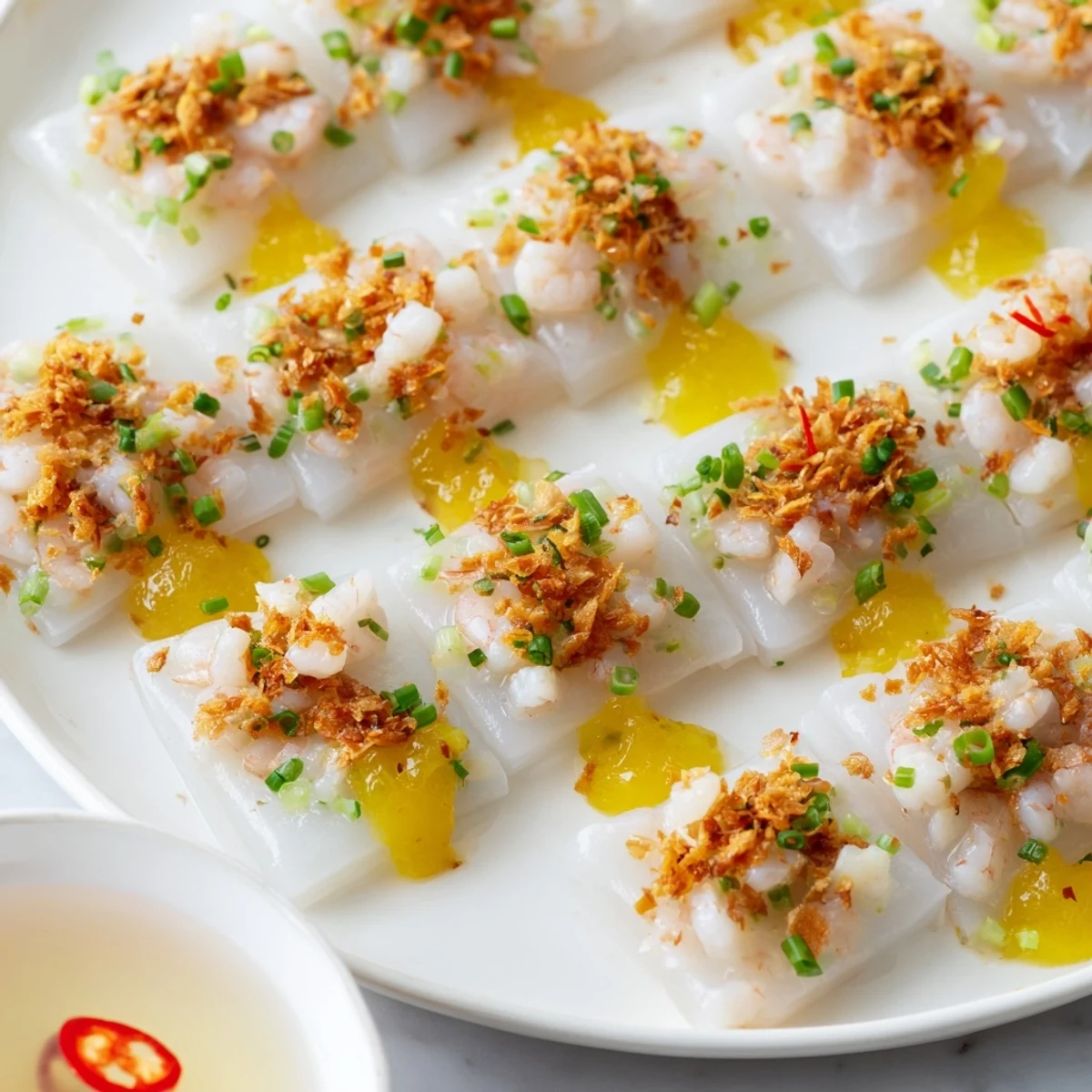
- Top each warm rice cake with shrimp mixture, scallion oil, crispy shallots, and optional mung bean paste. Serve immediately with the dipping sauce on the side.
 Save to Pinterest
 My aunt told me that in the old days, families would gather around to make banh beo together, each person responsible for one step of the process. There's something meditative about the rhythm of filling, steaming, topping, and serving that makes even a weekday dinner feel like a small celebration.
Getting the Texture Right
The perfect banh beo should wobble slightly when you shake the dish but hold its shape firmly enough to lift with a spoon. Under-steamed cakes will be opaque and gummy, while over-steamed ones become rubbery and lose their delicate appeal.
Making Ahead
You can prepare all the components in advance and keep them separate. Store the cooked cakes covered with a damp cloth, re-steam briefly to refresh, then add toppings just before serving.
Serving Suggestions
These work beautifully as part of a larger Vietnamese spread alongside spring rolls or bun salads. The individual portions make them perfect party food.
- Set up a toppings bar so guests can customize their own cakes
- Use small porcelain saucers or ramekins for the most authentic presentation
- Keep the steamer going to replenish the platter as they disappear
 Save to Pinterest
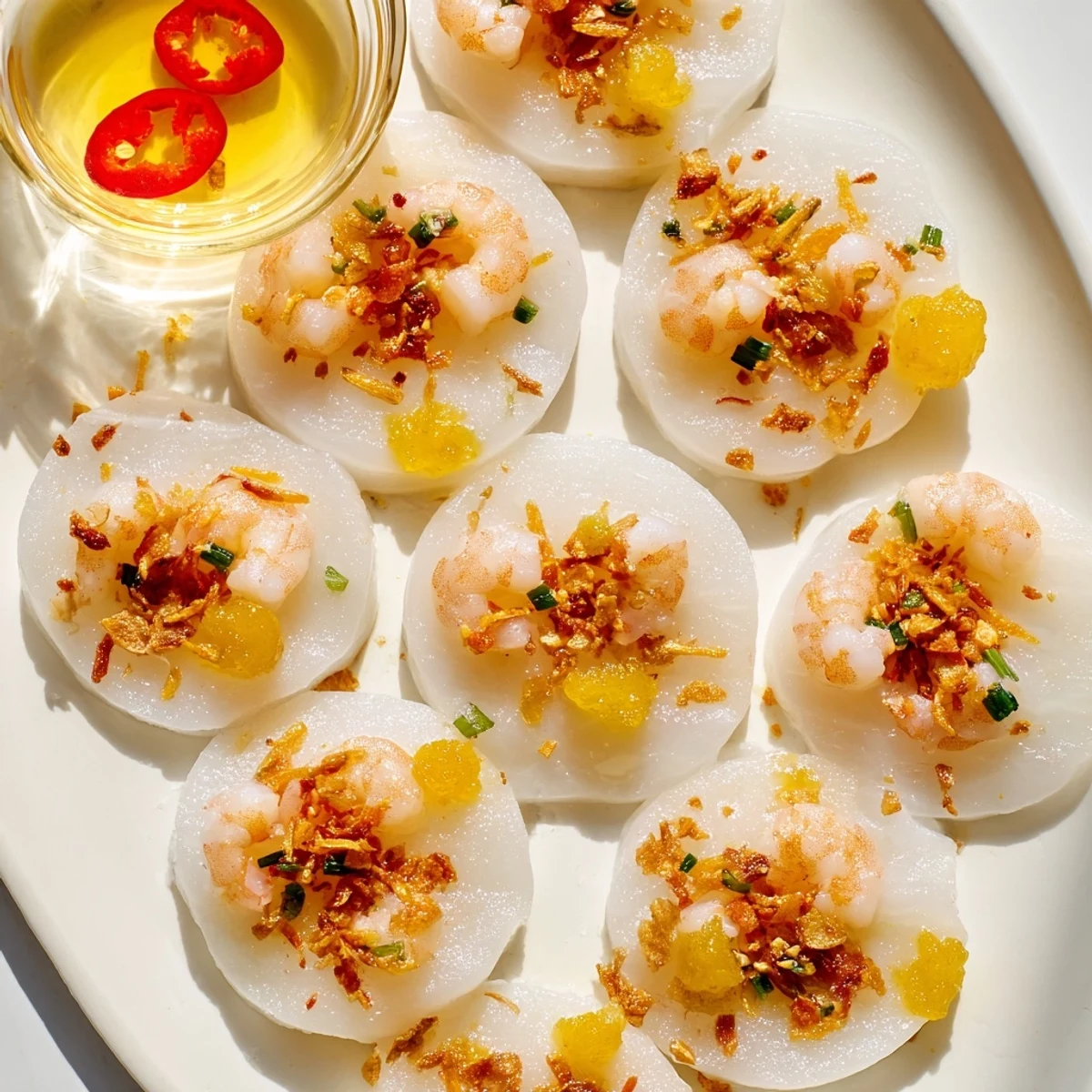
 There's something deeply satisfying about eating these little cakes, each one a perfect bite of soft, savory, and crispy all at once. They're the kind of food that makes you slow down and savor every mouthful.
Recipe FAQs
- → What makes Banh Beo authentic?
-
Authentic Banh Beo features translucent, delicate steamed cakes made from rice flour and tapioca starch. The key elements include properly seasoned dried shrimp topping, aromatic scallion oil poured hot over fresh scallions, and crispy fried shallots. The traditional dipping sauce combines fish sauce with fresh lime juice and sliced chili for that perfect balance of salty, sweet, and tangy flavors that defines Vietnamese cuisine.
- → Can I prepare Banh Beo ahead of time?
-
You can prepare the components ahead: cook the shrimp topping, make the scallion oil, and whisk up the dipping sauce up to a day in advance. Store them separately in the refrigerator. The batter should be freshly made and steamed just before serving for the best texture. If you must steam ahead, gently reheat the cakes in a steamer for 1-2 minutes, then add toppings immediately before serving to maintain the contrast between warm cakes and room-temperature garnishes.
- → What can I use instead of small dishes for steaming?
-
Traditional small ceramic dishes work best, but you can use silicone muffin cups, shallow ramekins, or even Chinese tea saucers. The key is finding heatproof containers that are about 3 inches in diameter and hold about 2 tablespoons of batter. If using larger dishes, adjust the steaming time slightly—thicker layers need an extra minute or two. Grease each vessel lightly to ensure the cakes release easily after steaming.
- → How do I achieve the perfect translucent texture?
-
The secret to translucent Banh Beo lies in the rice flour to tapioca starch ratio and proper steaming technique. Let the batter rest for 10 minutes to allow the flour to fully hydrate. Pour a thin layer—about 2 tablespoons per small dish—and steam vigorously for 7-8 minutes. The cakes are done when they're set, glossy, and completely translucent. Over-steaming can make them tough, while under-steaming leaves them gummy and opaque.
- → What are common substitutions for dietary restrictions?
-
For vegetarian versions, replace shrimp with sautéed shiitake or wood ear mushrooms and use vegetarian fish sauce or soy sauce. The dish is naturally gluten-free, making it suitable for those with gluten sensitivities. If you're allergic to shellfish, the mushroom substitution works beautifully. For a lighter version, reduce the oil in the scallion oil topping, though the traditional amount provides the essential richness and moisture that balances the steamed cakes.
- → How do I make perfect crispy shallots?
-
Slice shallots as thinly as possible—about 1/8 inch thick for even cooking. Heat vegetable oil over medium-high heat until shimmering but not smoking. Add the shallots and fry, stirring occasionally, until golden brown and crispy, about 5-8 minutes. Watch carefully as they can burn quickly. Remove with a slotted spoon and drain on paper towels. The shallots will continue crisping as they cool. Store in an airtight container for up to a week.